

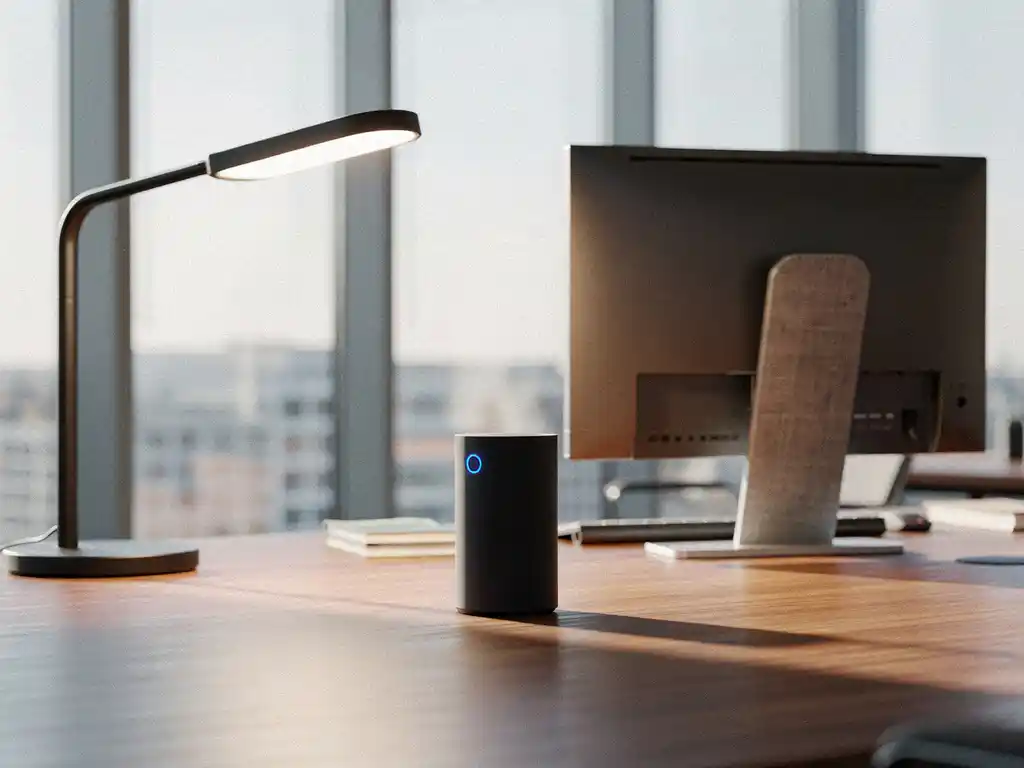
Modern offices are evolving into smart work environments where technology integrates seamlessly with daily work processes. One of the most promising developments is the use of sensors for automated maintenance, which allows organizations to proactively address maintenance needs before problems arise.
This intelligent office automation system transforms traditional maintenance practices through real-time monitoring and predictive analytics. Instead of performing reactive maintenance after breakdowns, companies can now take preventive action based on data-driven insights from their office environment.
What are sensors for automated maintenance, and how do they work?
Automatic maintenance sensors are intelligent devices that continuously measure physical parameters—such as temperature, vibration, air quality, and energy consumption—to predict maintenance needs and automatically generate maintenance requests. These sensors collect real-time data and send it to central systems that analyze patterns and issue maintenance alerts.
The system operates based on Internet of Things (IoT) technology. Sensors are strategically placed on equipment such as HVAC systems, printers, lighting, and other office equipment. They continuously measure relevant parameters and compare them to preset thresholds. When deviations are detected, a maintenance request is automatically generated.
Data analysis is often performed using machine learning algorithms that recognize historical patterns and can predict future issues. This enables the transition from reactive to predictive maintenance, in which interventions are carried out before actual failures occur.
What are the benefits of automated maintenance using sensors?
Automated maintenance using sensors reduces unplanned downtime by 30–50%, lowers maintenance costs through preventive interventions, and significantly extends the lifespan of equipment. This intelligent office automation also optimizes energy consumption and improves the overall work environment.
The biggest advantage is cost savings. By identifying problems early on, you can avoid costly repairs and replacements. Preventive maintenance is typically 3 to 5 times cheaper than corrective maintenance following a breakdown. In addition, employee productivity is maintained because systems break down less often.
For employees, this means a more stable work environment. Climate control works optimally, lighting functions properly, and equipment such as printers is always available. This contributes to employee satisfaction and reduces frustration caused by technical issues.
The sustainability benefits are also significant. Sensors optimize energy consumption by ensuring that devices operate only when necessary. This aligns with the principles of the circular economy by extending the lifespan of equipment and minimizing waste.
How do you choose the right sensors for your office environment?
The choice of sensors depends on your specific equipment, the size of your office, and your maintenance goals. Start by analyzing critical systems such as HVAC, lighting, and IT equipment, and determine which parameters are most relevant for early problem detection.
Temperature, humidity, and airflow sensors are essential for HVAC systems. These sensors not only monitor system performance but also help create an optimal work environment through consistent climate control. Vibration sensors can detect mechanical wear in fans and pumps.
When it comes to lighting, light sensors and energy meters are invaluable. They detect faulty bulbs and optimize energy consumption by adjusting the lighting to match natural light. For IT equipment such as printers, toner level sensors, paper sensors, and performance monitoring are crucial.
Also consider environmental sensors for air quality, noise levels, and occupancy. These contribute to employee well-being and can integrate with other systems to automatically adjust ventilation and lighting.
How much does it cost to implement sensor-based maintenance?
Implementation costs range from €2,000 to €15,000 for small offices to €25,000 to €100,000 for large complexes, depending on the number of sensors, system complexity, and integration requirements. The investment typically pays for itself within 12 to 24 months through lower maintenance costs and energy savings.
Hardware costs account for 40–60% of the total investment. Basic IoT sensors cost €50–€200 each, while advanced sensors with AI capabilities can cost €300–€800. Gateway devices for data communication cost €200–€500 per unit.
Software licenses and cloud services account for 20–30% of the costs. Monthly subscriptions range from €10 to €50 per sensor, depending on functionality and data storage. Enterprise solutions can cost €500–€2,000 per month for advanced analytics and reporting.
Installation costs typically account for 15–25% of the total budget. Professional installation by certified technicians ensures optimal sensor placement and system integration. Maintenance and support add 5–10% to the annual costs.
How do you install and configure maintenance sensors step by step?
The installation begins with a thorough site survey to determine the optimal sensor locations, followed by network configuration, physical installation of the sensors, software integration, and comprehensive testing of all systems. A professional approach ensures reliable data collection and seamless integration.
Preparation and planning
Start by mapping out all critical equipment and systems. Identify measurement points where sensors can collect the most valuable data. Ensure you have a reliable internet connection or a wireless network capable of supporting the sensors.
Create an installation plan that includes timelines and responsibilities. Coordinate with IT management regarding network access and security requirements. Ensure that all necessary materials and tools are available before installation begins.
Installation and Configuration
Install the sensors at the designated locations according to the manufacturer’s specifications. Ensure they are positioned correctly to ensure accurate measurements and protect them from damage. Connect the sensors to the network and test the connection.
Configure each sensor with unique identifiers and set alarm thresholds. Integrate the sensors with the central monitoring system and test all communication paths. Calibrate the sensors as needed to ensure optimal accuracy.
Implement dashboards and reporting tools for real-time monitoring. Train facility managers on how to use the system and establish maintenance protocols for different types of alarms.
How Wout Monseurs Helps with Smart Office Automation
We offer comprehensive Smart Office solutions that integrate sensor-based maintenance into your office environment. Our expertise includes the full implementation of intelligent maintenance systems that integrate seamlessly with your existing infrastructure.
Our services include:
- Comprehensive analysis of your office environment and maintenance needs
- Advice on the most suitable sensor technology for your specific situation
- Professional installation and configuration by our experienced technicians
- Integration with existing office furnishings and systems
- Ongoing support and maintenance of the sensor network
With over 60 years of experience in office solutions, we combine traditional expertise with cutting-edge technology. Our family-run business approach ensures personalized support throughout the entire process, from consultation to implementation and ongoing support.
Discover how smart office automation can transform your maintenance processes. Contact us for a no-obligation consultation on sensor-based maintenance in your office environment.
Frequently asked questions
How long does it take for the sensors to be able to make reliable predictions?
Most sensor systems require 2–6 months to collect sufficient historical data for accurate predictions. During the first few weeks, the sensors focus on learning normal operational patterns, after which they gradually become better at detecting anomalies. For optimal results, it is important to carefully document all alarms and maintenance actions during this period.
What happens if the internet goes down? Will the sensors still work?
Modern maintenance sensors typically have local storage capacity and can continue to operate offline for 24 to 72 hours. They store critical data locally and automatically synchronize once the connection is restored. For mission-critical systems, we recommend redundant internet connections or 4G backups to ensure continuous monitoring.
Can existing maintenance contracts be integrated with sensor data?
Yes, most modern maintenance contracts can be adapted to incorporate sensor data. This often leads to favorable renegotiations because predictive maintenance is more efficient for service providers. Discuss with your current maintenance provider how they can use sensor data for optimal service planning and potentially lower contract costs.
What problems might arise during implementation, and how can you prevent them?
The most common issues are poor network coverage, improper sensor placement, and overly sensitive alarm settings that lead to false alarms. Prevent this by conducting a thorough site survey in advance, placing sensors in strategic locations where they are protected but can still take accurate measurements, and gradually tightening threshold values based on actual performance.
How can you ensure that employees accept the new system?
Clearly communicate the benefits to employees: fewer equipment failures, better climate control, and fewer disruptions. Organize informational sessions on how the system works and involve facility managers in the implementation. Start with a pilot project in one department to demonstrate its success before rolling it out across the entire office.
Is it possible to expand the system as the company grows?
Modern sensor systems are modular and easily scalable. You can start with critical systems and gradually add more sensors. Cloud-based platforms automatically scale to accommodate the number of sensors. Be sure to plan for sufficient network bandwidth in advance and ensure that the central system can support future expansion.
What data privacy considerations should you keep in mind when implementing sensors?
Ensure that sensor data is processed in accordance with GDPR regulations, especially for sensors that can collect personal information, such as occupancy detection systems. Establish clear data retention policies, use data encryption, and transparently inform employees about what data is being collected. Choose suppliers that comply with European privacy standards and can store data locally.