

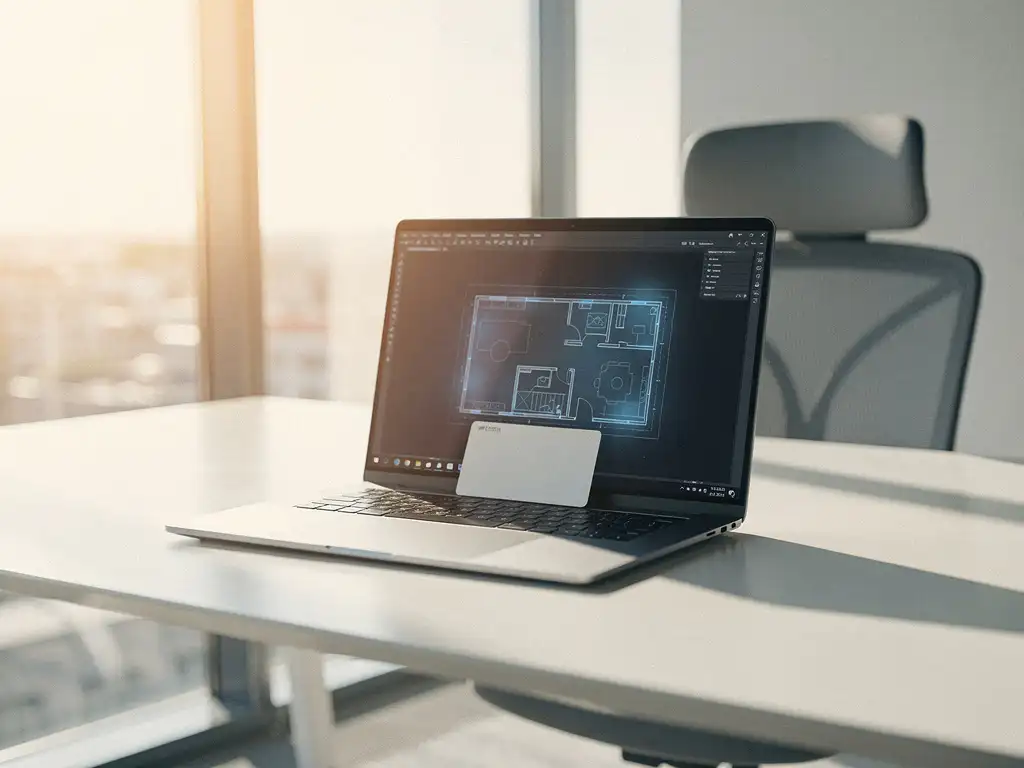
Modern offices are evolving into flexible workspaces where employees can choose where to work each day. An office desk booking system enables this flexibility by allowing workstations to be reserved digitally. However, to function optimally, this system must integrate seamlessly with the building’s existing access control system.
Integrating desk booking with access control systems ensures that only authorized employees can access reserved workstations and meeting rooms. This combination not only enhances security but also provides valuable insights into space utilization and cost optimization.
What is desk booking, and why integrate it with access control?
Deskbooking is a digital reservation system that allows employees to book workstations, meeting rooms, and other facilities via a smartphone app or computer. Its integration with access control links these reservations to the building’s security system, so that access is automatically granted based on the reservations made.
This integration has become essential because modern offices are increasingly adopting flexible workspaces and hybrid work models. Without integrated systems, problems arise such as double bookings, unauthorized access to workspaces, and a lack of insight into actual space utilization. By linking the two systems, the building knows exactly who is allowed to be where and when.
A key benefit is that employees automatically gain access to their reserved workstations without requiring manual intervention from the front desk or facilities management. This reduces the administrative burden and ensures a smoother work experience for everyone involved.
How does the integration between desk booking and access control work?
The integration works through real-time data exchange between the desk booking platform and the access control system via API connections. When an employee reserves a workspace, this information is immediately forwarded to the access control system, which then activates temporary access rights for that space.
The process usually works as follows: an employee makes a reservation via the Smart Office app, the system checks availability and confirms the booking, after which the access control system is automatically updated. Access rights are activated for the reserved period and automatically revoked once it ends.
Modern systems use various identification methods, such as RFID badges, smartphone apps with Bluetooth technology, or biometric scanners. These methods ensure that only the person who made the reservation is granted access to the specific workstation or meeting room.
What are the benefits of integrated desk booking and access control?
Integrated systems offer enhanced security, automated access control, real-time insights into space utilization, cost savings through optimal space utilization, and an improved user experience without the need for manual intervention by reception or facilities staff.
From a security perspective, this means that only authorized individuals have access to specific areas at the appropriate times. The system prevents employees from accessing areas they have not reserved, which is important for confidential meetings or departments handling sensitive information.
From an operational standpoint, facility managers gain valuable data on space utilization. They can see which workstations are the most popular, when peak occupancy occurs, and which spaces may be underutilized. These insights help optimize the office layout and inform decisions about future office design.
For employees, this integration provides a seamless experience that allows them to both reserve a workspace and gain access with a single action. This reduces frustration and increases acceptance of flexible working within the organization.
What technical requirements are necessary for successful integration?
Successful integration requires compatible APIs between both systems, stable network connections, a central user database, real-time synchronization capabilities, and adequate backup systems to prevent downtime. In addition, effective change management and user training are essential for adoption.
The technical infrastructure must be robust enough to support real-time communication between systems. This means that both the desk booking platform and the access control system must have modern APIs that use standardized protocols for data exchange.
A centralized identity management system is essential, as both systems must be able to access the same user data. This prevents conflicts between systems and ensures that changes to user permissions are immediately reflected in both platforms.
Network stability is another critical issue. Because the systems must communicate in real time, network outages can result in situations where employees are unable to access their reserved workstations. Redundant connections and offline backup protocols are therefore essential.
How Wout Monseurs helps with integrated desk booking solutions
We offer comprehensive Smart Office solutions that seamlessly integrate desk booking with existing access control systems. Our experience in project design allows us to optimally coordinate both the technical implementation and the physical workspace layout.
Our approach includes:
- Analysis of your existing access control system and infrastructure
- Implementation of user-friendly desk booking tools that allow for one-click reservations
- Automatic desk adjustment based on personal preferences using Smart Office technology
- Integration with a clean-desk policy and personal lockers for optimal use of space
- Comprehensive project management from design to completion
As a family-owned business with over 60 years of experience, we combine traditional expertise with modern technology. Our personalized approach ensures that the solution fits perfectly with your company culture and work processes. Contact us for a no-obligation consultation about the possibilities for your organization.
Frequently asked questions
What happens if the network goes down and employees can't access their reserved workstations?
Modern integrated systems use offline backup protocols that ensure access rights are stored locally. In the event of a network outage, employees can still access their reserved workstations using their badge or app. The system automatically synchronizes once the connection is restored.
How long does it take to integrate an existing access control system with deskbooking?
The implementation time ranges from 2 to 8 weeks, depending on the complexity of your existing system and the number of workstations. Modern systems with standard APIs can be integrated more quickly, while older systems may require custom integrations. A thorough analysis beforehand helps avoid surprises during implementation.
Can employees still change their reservation after the access control system has already been updated?
Yes, changes can be made in real time up to a certain time before the reservation (usually 15–30 minutes). The access control system is automatically updated with every change. For last-minute changes, restrictions may apply to prevent abuse and ensure operational stability.
What if an employee forgets their badge but has a valid reservation?
Most modern systems offer alternative access methods, such as smartphone apps that use Bluetooth or QR codes. In addition, the front desk or facility manager can manually grant temporary access via the admin panel. The system logs all access events for audit purposes.
How can you prevent employees from reserving workstations but not showing up?
Integrated systems can implement "no-show" detection using occupancy sensors or check-in requirements. If an employee does not check in within 30 minutes of the scheduled start time, the reservation can be automatically released for others. This maximizes space utilization and prevents waste.
What privacy considerations should I keep in mind when implementing integrated desk booking?
Ensure that the system complies with GDPR regulations through minimal data collection, transparent privacy statements, and user consent. Location data must be anonymized for reporting purposes, and employees must have control over their personal preferences and data.
Can the system also support different access levels for different departments?
Yes, advanced systems support role-based access control, allowing employees to reserve workstations only in areas to which they have access. This is ideal for organizations with confidential departments or varying security levels. Access rights can be linked to HR systems for automatic updates.