

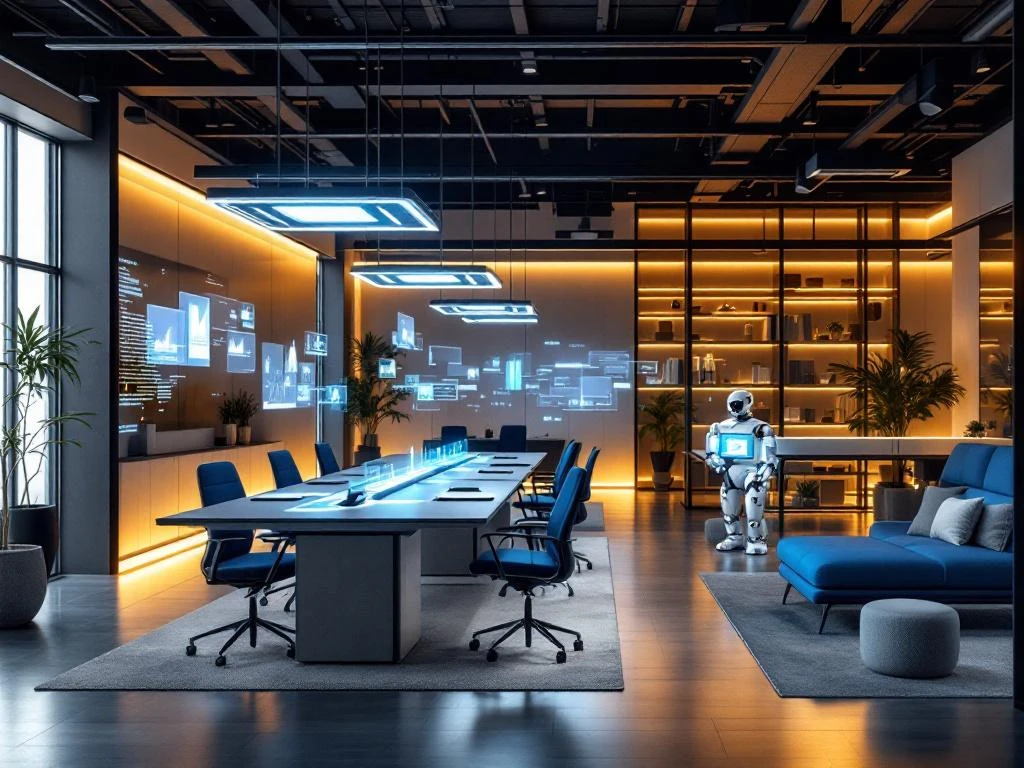
Integrating technology into modern project design means strategically incorporating smart solutions from the design phase onwards. This goes beyond just cabling—it includes smart lighting, climate control, wireless charging, and integrated AV systems. Effective technology integration increases workplace efficiency, improves the user experience, and creates future-proof office environments that grow with changing needs.
What does technology integration mean in modern project design?
Technology integration in project design means incorporating smart technical solutions into the design of office spaces from the outset. This involves seamlessly integrating systems that improve everyday working, from automatic lighting to wireless presentation options.
This approach differs from traditional office design because technology is not added after the fact, but is integrated into furniture, walls, and ceilings. Think of desks with built-in charging stations, meeting rooms with integrated cameras and microphones, or smart sensors that automatically adjust the temperature.
The benefits are immediately noticeable. Employees experience greater comfort thanks to automatic adjustments to lighting and temperature. Productivity increases because technical problems occur less frequently and presentations run more smoothly. For companies, this means lower operating costs thanks to energy-saving systems and less maintenance.
Which technologies are currently relevant for office design?
Smart lighting automatically adjusts to daylight and occupancy, saving energy and increasing well-being. IoT sensors measure air quality, temperature, and space utilization for optimal working conditions. Wireless charging stations in desks and conference tables eliminate cable clutter.
Integrated AV systems simplify meetings. Cameras, microphones, and screens are invisibly built into ceilings and walls. Employees can give presentations immediately without any technical preparation. Smart climate control automatically regulates temperature and humidity for each zone.
Other relevant technologies include access control via smartphone apps, smart whiteboards that store notes digitally, and room booking systems that show availability in real time. Sound masking systems improve acoustics in open-plan offices.
How do you plan technology integration from the start of your project?
Start with a thorough needs analysis in which you identify which technologies actually improve your work processes. Involve end users in this analysis to prioritize practical needs over technical possibilities. Draw up a realistic budget that reserves 15-25% of your total project design budget for technology.
Work with specialists from the design phase onwards. A project designer with experience in technology integration can coordinate different suppliers. Plan the technical infrastructure before installing furniture—cabling, Wi-Fi points, and power supply often determine the layout.
Create a phased plan in which you implement technologies step by step. Start with basic technologies such as smart lighting and Wi-Fi, and then add more advanced systems. Test each phase thoroughly before moving on. Also schedule training for employees in the timeline.
What are the biggest challenges in technology integration?
Compatibility issues between different systems are common. Different suppliers use different protocols that do not always work together. Budget overruns occur because technology implementation is often more complex than expected, especially in existing buildings.
User acceptance is a major challenge. Employees who are accustomed to traditional workplaces need time to embrace new technologies. Maintenance issues are often underestimated—smart systems require regular updates and technical support.
Prevent these problems by involving a technical architect early in the process who can integrate different systems. Set aside an extra 10-15% of your budget for unforeseen technical adjustments. Organize hands-on training sessions and appoint technology ambassadors who can help colleagues. Sign maintenance contracts before systems go live.
How Wout Monseurs assists with technology-integrated project design
We combine more than 60 years of experience in project design with modern technology expertise. Our team works together with specialized technology partners to create smart office solutions that perfectly match your work processes.
We start every project with a comprehensive analysis of your technology needs and integrate these into the 3D design from day one. From smart lighting to integrated AV systems, we ensure that all technology works seamlessly with the furniture and room layout.
Our project approach means that you have a single point of contact for both design and technology. We coordinate all suppliers, ensure timely delivery, and test each system before we deliver. Would you like to know how we can integrate technology into your office project? Contact us for a no-obligation discussion about the possibilities.
Frequently asked questions
How much does it cost to integrate technology into an average office project?
The costs vary greatly depending on the technologies chosen, but you can expect to spend 15-25% of your total project design budget. For an average office of 500m², this means approximately €15,000-40,000 extra on top of the standard setup. Smart lighting and wireless charging are relatively affordable, while advanced AV systems and climate control require more investment.
Can I also apply technology integration in an existing office building?
Yes, but this requires more planning and can be more expensive than in new buildings. The biggest challenge is often adapting the electrical infrastructure and cabling without major renovations. Wireless solutions such as battery-powered smart lighting and Wi-Fi-based systems are often the most practical options for existing buildings.
How long does it take for employees to get used to new technologies in the workplace?
Gemiddeld hebben medewerkers 2-4 weken nodig om vertrouwd te raken met nieuwe technologieën, mits er goede training wordt gegeven. Plan daarom hands-on trainingssessies in de eerste week na oplevering en benoem enkele technologie-ambassadeurs die collega’s kunnen ondersteunen. De meeste weerstand verdwijnt zodra mensen de voordelen in hun dagelijks werk ervaren.
What happens if one of the integrated systems breaks down?
That is why it is important to conclude maintenance contracts before systems go live and to choose suppliers with good technical support. Most professional systems have backup functionalities and can often be diagnosed remotely. Also ensure that critical functions such as lighting and access control always have a manual override.
Which technology should I implement first if I have a limited budget?
Begin met slimme verlichting en draadloze laadstations in bureaus – deze geven direct merkbare voordelen tegen relatief lage kosten. Daarna kun je stapsgewijs uitbreiden met geïntegreerde AV-systemen voor vergaderruimtes en slimme klimaatbeheersing. Deze gefaseerde aanpak spreidt de investering en laat je leren van elke implementatie.
How do I ensure that different technologies work well together?
Work with a technical architect or experienced project designer from the outset who can integrate different systems. Preferably choose suppliers who use open protocols such as Zigbee or Wi-Fi rather than closed systems. Always test compatibility between systems before making final choices and plan a central management solution that can control all technologies.