

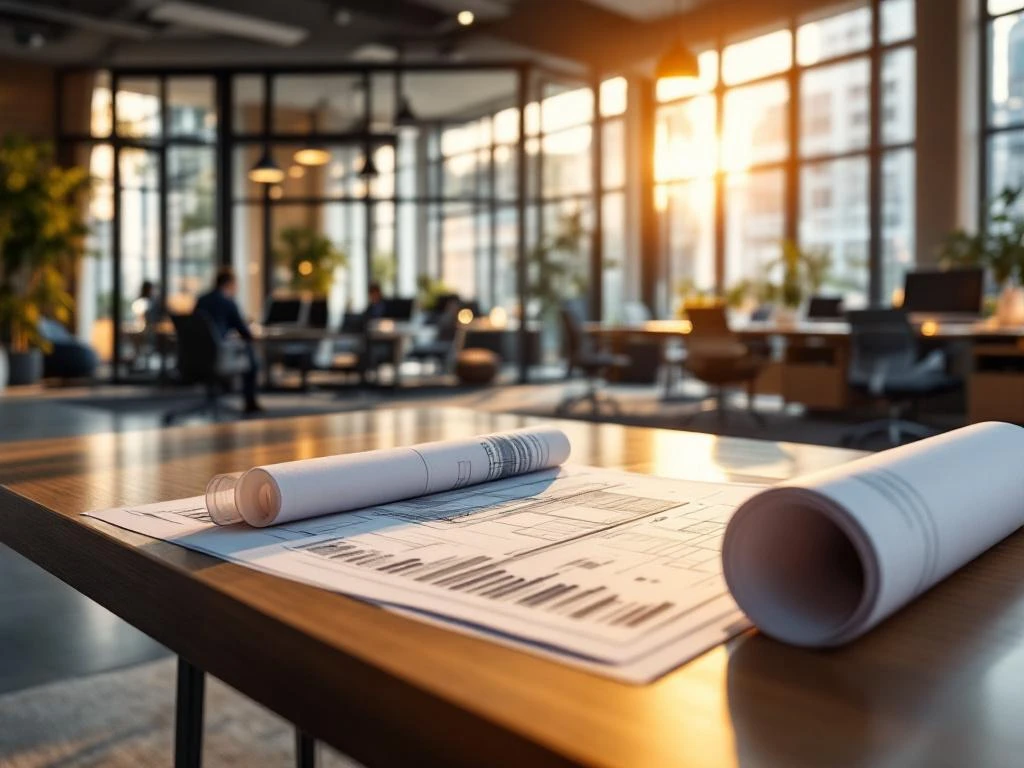
Project design that aligns with modern HR strategies focuses on employee satisfaction, productivity, and corporate culture. You opt for ergonomic furniture, flexible workstations, and spaces that support hybrid working. It is important that the design contributes to talent retention and the well-being of your team. The right design helps you achieve your HR goals by creating a working environment that motivates people and keeps them healthy.
What is the relationship between office design and modern HR strategies?
Office design forms the physical basis for your HR objectives. A well-designed workspace increases employee satisfaction, supports your corporate culture, and helps retain talent. The space in which people work directly influences their motivation and engagement.
The psychological impact of workplace design is greater than you might think. Open spaces encourage collaboration, while quiet zones promote concentration. Colors and materials influence the mood and energy of your team. A well-thought-out design shows that you are investing in the well-being of your employees.
Modern HR strategies focus on creating an attractive employer brand. Your office is often the first thing potential employees see. A professional, comfortable environment attracts talent and ensures that people enjoy coming to work. This directly contributes to lower staff turnover and higher productivity.
How does workplace design affect employee productivity and well-being?
Workplace design has a direct impact on how well people perform and feel. Good ergonomics prevent physical complaints, while sufficient natural light improves concentration. Sound insulation reduces distractions and stress.
The layout of the space determines how easily people can work together or, conversely, work undisturbed. Different zones for different activities help your team to be more effective. Think of brainstorming rooms for creative work and quiet areas for tasks that require focus.
Temperature and air quality also affect performance. Too hot or too cold causes distraction, while poor ventilation causes fatigue. Plants not only improve air quality, but also have a positive effect on the well-being of your employees.
The layout should also encourage movement. Long days spent sitting at a desk are unhealthy. By strategically placing printers and coffee machines, you ensure that people get up and move around regularly.
What ergonomic aspects are important in modern project design?
Ergonomic project design starts with adjustable office chairs that support the natural posture of the back. The work surface must be at the correct height so that arms can rest in a relaxed position. Monitors should be placed at eye level to prevent neck problems.
Sit-stand desks are becoming increasingly popular because they offer a choice between sitting and standing. This improves blood circulation and reduces the risks associated with prolonged sitting. Footrests help you find a comfortable sitting position.
Lighting must be good to prevent eye strain. Combine natural light with desk lamps that can be adjusted to suit the task. Reflections on screens can be avoided by positioning light sources correctly.
Also consider the accessibility of frequently used items. Everything you need on a regular basis should be within arm's reach. This prevents unnecessary reaching and twisting, which can lead to muscle tension and discomfort.
How do you create flexible workspaces that are compatible with hybrid working?
Flexible workspaces for hybrid working combine fixed workstations with shared spaces. You create different zones: quiet workspaces, collaboration areas, and meeting places. Not everyone needs a fixed desk anymore.
Technology plays an important role in flexible offices. Good Wi-Fi, sufficient power outlets, and modern meeting rooms with video facilities are necessary. People must be able to switch easily between different workspaces without technical problems.
Reservation systems help manage shared spaces. Employees can book a workspace in advance that suits their tasks for that day. This prevents frustration and ensures efficient use of the available space.
Storage space is organized differently in flexible offices. Personal lockers replace fixed desk drawers. Shared storage facilities for office supplies must be easily accessible to everyone who needs them.
How Wout Monseurs assists with project design
We understand that modern project design is more than just placing furniture. Our team translates your HR strategy into a workspace that truly contributes to your business goals. We look at how your team works and what it needs to be successful.
Our process begins with a thorough analysis of your requirements and work processes. We create a detailed 3D design so you can see exactly what the new workspace will look like. From ergonomic office chairs to flexible meeting rooms, we provide a complete solution.
With over 60 years of experience, we know what works in practice. We work with high-quality brands and take sustainability and future-proofing into account. Would you like to know how we can transform your office into a workspace that supports your HR objectives? Contact us for a no-obligation consultation.
Frequently asked questions
What are the typical costs of setting up a modern office in line with HR strategies?
The costs vary greatly depending on the size, quality of furniture, and specific requirements. On average, you can expect to pay €1,500-€3,000 per workstation for a complete ergonomic setup with flexible elements. Investing in quality pays for itself through reduced absenteeism and higher productivity.
How do you measure the success of a new office design in terms of HR?
Measure employee satisfaction through surveys before and after the redesign. Monitor absenteeism, staff turnover, and productivity figures. The number of applicants and the time it takes to fill vacancies also provide insight into the attractiveness of your workplace as an employer.
What mistakes do companies often make when setting up flexible workspaces?
Veelgemaakte fouten zijn te weinig stille werkplekken creëren, onvoldoende opbergruimte voorzien, of geen duidelijke reserveringssystemen implementeren. Ook wordt vaak de technische infrastructuur onderschat – zwakke wifi en te weinig stopcontacten frustreren medewerkers snel.
How do you convince management to invest in ergonomic office design?
Present concrete figures on the costs of absenteeism due to RSI and back problems (on average €3,000-€5,000 per employee per year). Show how ergonomic investments lead to higher productivity and lower replacement costs. A business case with ROI calculation works best.
What is the best approach for involving employees in office design?
Start with surveys about current bottlenecks and wishes. Organize focus groups with representatives from different departments. Let employees test furniture and materials before making final choices. Transparent communication about the process increases acceptance of changes.
How do you take different generations of employees into account when designing your office layout?
Bied variatie in werkplekken: stille zones voor wie concentratie nodig heeft, open ruimtes voor samenwerking, en comfortabele ontmoetingsplekken. Zorg voor zowel moderne technologie als traditionele werkplekken. Flexibiliteit is key – iedereen moet een plek kunnen vinden die bij zijn werkstijl past.