

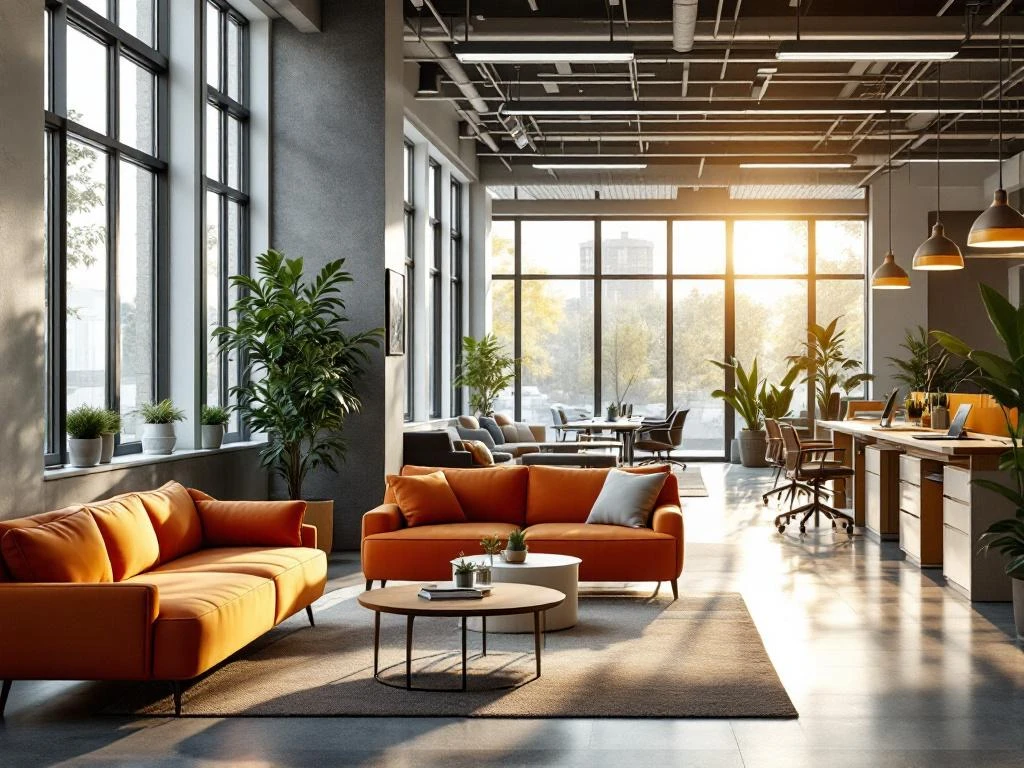
Het inrichten van informele werkruimtes binnen je projectinrichting begint met het identificeren van ruimtes die uitnodigen tot spontane ontmoetingen en ontspanning. Kies locaties met veel natuurlijk licht, plaats comfortabele zitmeubels en zorg voor een warme sfeer met de juiste kleuren en verlichting. Belangrijk is dat deze ruimtes goed bereikbaar zijn en voorzien van praktische voorzieningen zoals stopcontacten en eventueel koffie- of waterfaciliteiten.
Wat zijn informele werkruimtes en waarom zijn ze belangrijk voor je kantoor?
Informele werkruimtes zijn ontspannen gebieden in je kantoor waar medewerkers kunnen samenwerken, brainstormen of even kunnen ontspannen buiten hun vaste werkplek. Deze ruimtes hebben geen formele vergaderstructuur en nodigen uit tot spontane interactie en creatieve samenwerking.
In moderne kantooromgevingen spelen informele werkruimtes een belangrijke rol voor het welzijn van je team. Ze bieden medewerkers de mogelijkheid om even weg te stappen van hun bureau en nieuwe energie op te doen. Dit kan de creativiteit stimuleren en stress verminderen.
Deze ruimtes bevorderen ook de onderlinge samenwerking. Wanneer collega’s elkaar ontmoeten in een ontspannen setting, ontstaan er vaak spontane gesprekken die tot nieuwe ideeën of oplossingen kunnen leiden. Het helpt bij het opbouwen van betere werkrelaties en een positievere werksfeer.
Voor de werknemerstevredenheid maken informele werkruimtes het verschil. Ze laten zien dat je als werkgever investeert in het comfort en welzijn van je team. Dit draagt bij aan een aantrekkelijke werkomgeving waar mensen graag willen werken.
Welke soorten informele werkruimtes kun je creëren binnen je projectinrichting?
Je kunt verschillende typen informele werkruimtes inrichten, afhankelijk van je beschikbare ruimte en budget. Loungehoeken met comfortabele banken en fauteuils zijn ideaal voor ontspannen gesprekken en korte pauzes. Brainstormruimtes met whiteboards en flexibele zitplekken stimuleren creatieve sessies.
Koffiehoeken of pantry’s fungeren als natuurlijke ontmoetingsplekken waar collega’s elkaar informeel treffen. Deze ruimtes richt je het beste in met hoge tafels, barkrukken en voldoende opbergruimte voor koffie- en theevoorzieningen.
Ontspanningsgebieden kunnen variëren van een leeshoek met boeken en tijdschriften tot speelruimtes met tafeltennis of een dartbord. Voor kleinere kantoren volstaat vaak een hoek met enkele comfortabele stoelen en een salontafel.
Flexibele werkplekken met losse meubels die je gemakkelijk kunt verplaatsen, bieden veelzijdigheid. Deze ruimtes kunnen dienen voor zowel individueel werk als kleine groepjes, afhankelijk van de behoefte van het moment.
Hoe kies je de juiste locatie voor informele werkruimtes in je kantoor?
De locatie van informele werkruimtes bepaalt grotendeels hun succes. Kies plekken met veel natuurlijk licht en vermijd donkere hoeken of ruimtes zonder ramen. Natuurlijk licht heeft een positief effect op de stemming en energie van je medewerkers.
Let goed op de verkeersstroom in je kantoor. Plaats informele werkruimtes op plekken waar mensen vanzelf langslopen, zoals bij de hoofdingang, lift of koffiehoek. Dit vergroot de kans dat ze daadwerkelijk gebruikt worden.
Balans tussen toegankelijkheid en privacy is belangrijk. De ruimte moet uitnodigend zijn, maar niet zo centraal dat gesprekken andere medewerkers storen. Overweeg geluidsabsorberende materialen als je kantoor een open indeling heeft.
Denk ook aan de nabijheid van andere voorzieningen. Informele werkruimtes werken het beste als ze dicht bij toiletten, koffievoorzieningen of buitenruimtes liggen. Dit maakt ze praktischer in het dagelijks gebruik.
Welke meubels en inrichting heb je nodig voor informele werkruimtes?
Voor informele werkruimtes kies je comfortabele zitmeubels die uitnodigen tot ontspanning. Denk aan zachte banken, fauteuils met goede rugsteun en poefs die flexibel inzetbaar zijn. Vermijd te formele stoelen die meer geschikt zijn voor vergaderruimtes.
Salontafels en bijzettafels zijn praktisch voor het neerzetten van laptops, koffie of documenten. Kies voor ronde tafels, omdat deze een meer informele en toegankelijke sfeer creëren dan rechthoekige modellen.
Warme verlichting draagt bij aan een ontspannen sfeer. Combineer algemene verlichting met sfeervolle elementen zoals staande lampen of hangende verlichting. Vermijd te felle tl-verlichting die een kantinegevoel geeft.
Kleurgebruik en materialen maken het verschil in de uitstraling. Warme kleuren zoals zachte tinten groen, blauw of aardtinten werken rustgevend. Voeg textiel toe in de vorm van kussens, plaids of een tapijt voor extra comfort en gezelligheid.
Vergeet praktische voorzieningen niet: voldoende stopcontacten voor het opladen van devices, planken voor persoonlijke spullen en eventueel een kast voor spelletjes of tijdschriften.
Hoe zorg je ervoor dat informele werkruimtes daadwerkelijk gebruikt worden?
Het gebruik van informele werkruimtes stimuleer je door ze goed toegankelijk te maken en duidelijk te communiceren waarvoor ze bedoeld zijn. Plaats bewegwijzering en leg uit dat deze ruimtes er zijn voor ontspanning, informeel overleg en pauzes.
Zorg dat de ruimtes altijd netjes en uitnodigend zijn. Regelmatige schoonmaak en onderhoud van de meubels zijn noodzakelijk. Vervang kapotte items snel en houd rekening met slijtage door intensief gebruik.
Voorzieningen zoals koffie, thee, water of gezonde snacks maken de ruimtes aantrekkelijker. Je hoeft niet alles gratis aan te bieden, maar wel ervoor te zorgen dat deze voorzieningen gemakkelijk beschikbaar zijn.
Organiseer af en toe informele activiteiten in deze ruimtes, zoals een lunch-en-leersessie of een vrijdagmiddagborrel. Dit helpt medewerkers om de ruimtes te ontdekken en laat zien dat je het gebruik ervan aanmoedigt.
Vraag regelmatig feedback aan je team over wat ze missen of wat beter kan. Medewerkers weten het beste wat ze nodig hebben om de ruimtes optimaal te gebruiken.
Hoe Wout Monseurs helpt met projectinrichting
Wij begrijpen dat het inrichten van informele werkruimtes maatwerk vraagt dat perfect aansluit bij jouw bedrijfscultuur en ruimte. Met meer dan 60 jaar ervaring in projectinrichting helpen wij bedrijven door heel Nederland bij het creëren van werkplekken die echt functioneren.
Ons proces begint met een uitgebreide ruimtestudie waarin we jouw wensen en mogelijkheden in kaart brengen. We maken een gedetailleerd 3D-ontwerp, zodat je precies ziet hoe jouw informele werkruimtes eruit komen te zien. Van het eerste ontwerp tot en met de complete realisatie regelen wij alles voor je.
We werken met hoogwaardige projectmeubelen van merken als Interstuhl en Voortman, waarbij ergonomie en duurzaamheid centraal staan. Onze persoonlijke aanpak betekent dat je één vast contactpersoon hebt die je door het hele proces begeleidt.
Wil je weten hoe wij jouw kantoor kunnen transformeren met functionele en uitnodigende informele werkruimtes? Neem dan contact met ons op voor een vrijblijvend gesprek over jouw mogelijkheden.
Veelgestelde vragen
Hoeveel budget moet ik rekenen voor het inrichten van informele werkruimtes?
Het budget hangt af van de grootte en het ambitieniveau van je project. Voor een basisinrichting met comfortabele zitmeubels en verlichting kun je rekenen op €1.500-€3.000 per ruimte. Luxere inrichtingen met hoogwaardige meubels en speciale voorzieningen kunnen oplopen tot €5.000-€10.000. Vraag altijd een offerte op maat aan voor een realistisch budget.
Hoe voorkom ik dat informele werkruimtes te veel geluid veroorzaken in een open kantoor?
Gebruik geluidsabsorberende materialen zoals akoestische wandpanelen, zachte meubels en tapijten om geluidsoverlast te beperken. Plaats de ruimtes strategisch weg van concentratieplekken en overweeg halfhoge scheidingswanden. Ook het kiezen van de juiste locatie, bijvoorbeeld aan de rand van het kantoor, helpt om geluidshinder te minimaliseren.
Wat doe ik als mijn informele werkruimtes niet gebruikt worden door medewerkers?
Evalueer eerst of de locatie, inrichting en toegankelijkheid optimaal zijn. Vraag feedback aan je team over wat hen tegenhoudt. Vaak helpt het om de ruimtes actiever te promoten door er zelf gebruik van te maken, activiteiten te organiseren, of de functie duidelijker te communiceren. Soms is een kleine aanpassing in de inrichting of voorzieningen al voldoende.
Kan ik informele werkruimtes ook in een klein kantoor realiseren?
Absoluut! Ook in kleine kantoren kun je informele zones creëren door slim gebruik te maken van hoeken, multifunctionele meubels of flexibele inrichtingen. Denk aan een comfortabele hoek met twee fauteuils en een salontafel, of een hoge tafel met krukken die zowel voor lunch als informeel overleg gebruikt kan worden. Elke vierkante meter telt.
Hoe onderhoud ik informele werkruimtes en houd ik ze aantrekkelijk?
Stel een vast onderhoudsschema op voor dagelijkse schoonmaak en wekelijkse controles op de staat van meubels en voorzieningen. Vervang regelmatig decoratieve elementen zoals kussens of planten om de ruimte fris te houden. Train je schoonmaakteam specifiek voor deze ruimtes en zorg dat er duidelijke afspraken zijn over wie verantwoordelijk is voor het bijvullen van koffie, thee en andere voorzieningen.
Welke veelgemaakte fouten moet ik vermijden bij het inrichten van informele werkruimtes?
Vermijd te formele meubels die niet uitnodigen tot ontspanning, slechte locatiekeuzes zoals donkere hoeken of te drukke plekken, en het vergeten van praktische voorzieningen zoals stopcontacten. Ook het negeren van akoestiek in open kantoren en het niet betrekken van medewerkers bij de planning zijn veelgemaakte fouten die het succes van je informele werkruimtes kunnen ondermijnen.