

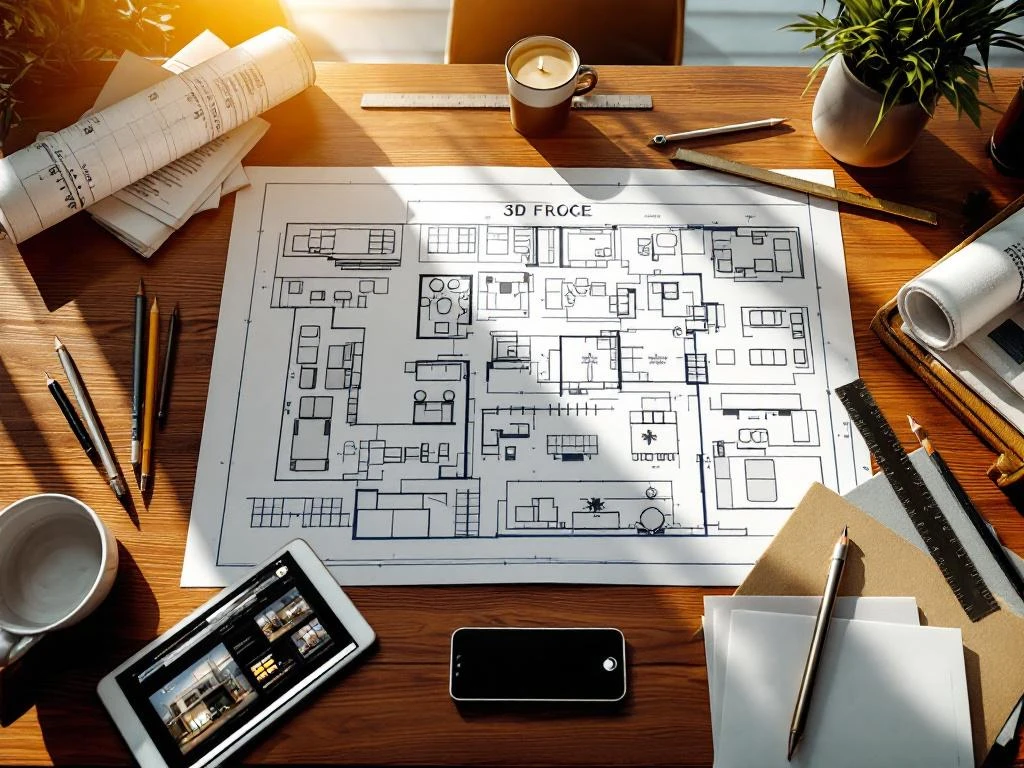
Een projectinrichtingsplan voor je kantoor opstellen begint met een grondige behoefteanalyse en budgetbepaling. Je doorloopt vervolgens stappen voor ontwerp, planning en uitvoering. Een goed plan houdt rekening met ergonomie, functionaliteit en toekomstige groei. Het hele proces vereist zorgvuldige coördinatie tussen stakeholders, leveranciers en het ontwerpteam.
Wat moet je allemaal regelen voordat je begint met kantoor inrichten?
Voor je begint met de projectinrichting moet je een complete behoefteanalyse uitvoeren, doelstellingen bepalen en alle stakeholders identificeren. Dit voorbereidende werk vormt de basis voor een succesvolle kantoorinrichting die aansluit bij je bedrijfsdoelen.
Start met het in kaart brengen van je huidige situatie. Hoeveel werkplekken heb je nodig? Welke werkstijlen komen voor in je organisatie? Denk aan concentratiewerk, samenwerking, videobellen en informele ontmoetingen. Noteer ook specifieke wensen van verschillende afdelingen.
Identificeer alle betrokkenen vroeg in het proces. Dit zijn niet alleen beslissers, maar ook eindgebruikers die dagelijks in het kantoor werken. Hun input helpt je praktische problemen te voorkomen. Stel een projectteam samen met duidelijke rollen en verantwoordelijkheden.
Verzamel belangrijke informatie over je gebouw: plattegronden, technische installaties, brandveiligheidsvoorschriften en eventuele beperkingen. Check ook je huurcontract voor aanpassingen die je wel of niet mag maken. Deze informatie voorkomt later kostbare verrassingen.
Hoe bepaal je het budget voor je kantoorproject?
Een realistisch budget voor kantoorprojectinrichting bestaat uit verschillende kostencategorieën: meubilair, technologie, verbouwing en onvoorziene kosten. Plan ongeveer 15-20% extra budget voor onverwachte uitgaven die tijdens het project kunnen ontstaan.
Verdeel je budget over de hoofdcategorieën. Meubilair neemt meestal 40-50% van het budget in beslag. Technologie zoals beeldschermen, bekabeling en audiovisuele apparatuur vraagt 20-30%. Verbouwingskosten voor wanden, vloeren en verlichting variëren sterk per project, maar reken op 25-35% van het totaal.
Maak onderscheid tussen must-haves en nice-to-haves. Ergonomische bureaustoelen en goede verlichting zijn investeringen in de gezondheid en productiviteit van je team. Luxe designelementen kunnen wachten als het budget krap is. Prioriteer functionaliteit boven uiterlijk.
Vraag altijd meerdere offertes aan en vergelijk niet alleen prijzen, maar ook wat er precies inbegrepen is. Sommige leveranciers rekenen extra voor levering, installatie of garantie. Houd ook rekening met toekomstige uitbreidingen in je budgetplanning.
Welke stappen volg je bij het maken van een kantoorontwerp?
Het ontwerpproces start met een grondige ruimteanalyse en indeling, gevolgd door de selectie van meubilair, kleuren en materialen. Ergonomie en functionaliteit staan centraal in elke ontwerpbeslissing om een gezonde en productieve werkomgeving te creëren.
Begin met het analyseren van de beschikbare ruimte en verkeersstromen. Waar lopen mensen het meest? Welke afdelingen moeten dicht bij elkaar zitten? Creëer zones voor verschillende activiteiten: stille werkplekken, vergaderruimtes, informele ontmoetingsplekken en concentratieruimtes.
Kies meubilair dat past bij de werkstijlen in je organisatie. Hoogteverstelbare bureaus ondersteunen gezond werken. Modulaire meubels bieden flexibiliteit voor toekomstige veranderingen. Let op kwaliteit en duurzaamheid, vooral bij intensief gebruikte items zoals bureaustoelen.
Kleuren en materialen beïnvloeden de sfeer en uitstraling van je kantoor. Neutrale basiskleuren met kleuraccenten werken tijdloos. Kies materialen die makkelijk te onderhouden zijn en tegen intensief gebruik kunnen. Denk ook aan akoestiek: harde oppervlakken kunnen geluidsproblemen veroorzaken.
Hoe plan je de uitvoering van je kantoorproject?
Een succesvolle projectuitvoering vereist een gedetailleerde planning met realistische tijdlijnen, zorgvuldige leveranciersselectie en heldere communicatie met je team. Plan de overgang zo dat de bedrijfsvoering minimaal wordt verstoord.
Maak een projecttijdlijn met alle belangrijke mijlpalen. Houd rekening met levertijden van meubilair, die soms 8-12 weken kunnen zijn. Plan verbouwingswerkzaamheden in rustige periodes of weekenden. Bouw buffers in voor onverwachte vertragingen.
Selecteer leveranciers op basis van ervaring, referenties en service. Een goedkope aanbieder kan duurder uitpakken als de kwaliteit tegenvalt of de service slecht is. Vraag naar garanties en nazorg. Een betrouwbare partner denkt mee over praktische oplossingen.
Communiceer regelmatig met je team over de voortgang en eventuele hinder. Organiseer rondleidingen tijdens de uitvoering zodat mensen zien hoe hun nieuwe werkplek vorm krijgt. Dit verhoogt het draagvlak en de betrokkenheid. Plan ook een goede overdracht met instructies voor nieuw meubilair en nieuwe systemen.
Hoe Wout Monseurs helpt met projectinrichting
Wij begeleiden je door het complete proces van projectinrichting, van de eerste behoefteanalyse tot de eindoplevering. Met meer dan 60 jaar ervaring weten we precies waar je tegenaan loopt en hoe we dat kunnen voorkomen.
Ons team neemt het hele traject uit handen. We starten met een ruimtestudie en maken een gedetailleerd 3D-ontwerp zodat je precies ziet hoe je nieuwe kantoor eruit komt te zien. We regelen alle leveranciers, coördineren de planning en zorgen voor een vlotte installatie zonder stress voor jou.
We werken met hoogwaardige merken zoals Interstuhl, Voortman en Gispen, waarbij ergonomie en duurzaamheid voorop staan. Je krijgt een vast contactpersoon die je door het hele project begeleidt. Voor grote projecten bieden we turnkey oplossingen waarbij je gewoon de sleutel overhandigt.
Wil je weten hoe wij jouw kantoorproject kunnen realiseren? Neem contact met ons op voor een vrijblijvend gesprek over de mogelijkheden.
Veelgestelde vragen
Hoe lang duurt een gemiddeld kantoorinrichtingsproject?
Een kantoorinrichtingsproject duurt meestal 3-6 maanden, afhankelijk van de grootte en complexiteit. Reken op 2-3 weken voor de ontwerpfase, 8-12 weken levertijd voor meubilair, en 1-2 weken voor installatie. Verbouwingswerkzaamheden kunnen extra tijd kosten.
Wat zijn de meest gemaakte fouten bij kantoorinrichting?
Veelgemaakte fouten zijn onderschatting van het budget (vergeet de 20% buffer niet), te weinig aandacht voor ergonomie, en onvoldoende communicatie met eindgebruikers. Ook wordt akoestiek vaak over het hoofd gezien, wat later tot geluidsproblemen leidt.
Kan ik gefaseerd inrichten om de bedrijfsvoering niet te verstoren?
Ja, gefaseerde inrichting is vaak de beste aanpak. Je kunt per afdeling of verdieping werken, zodat andere delen van het kantoor gewoon doordraaien. Plan kritieke afdelingen als laatste en gebruik tijdelijke werkplekken waar nodig.
Hoe bereid ik mijn medewerkers voor op de kantoorverhuizing?
Start vroeg met communicatie over de plannen en betrek medewerkers bij het ontwerpproces. Organiseer rondleidingen tijdens de bouw, geef duidelijke instructies over nieuwe systemen en meubilair, en plan een soepele overgangsdag met ondersteuning ter plekke.
Welke garanties krijg ik op meubilair en installatie?
Kwaliteitsmeubilair heeft meestal 5-10 jaar garantie op constructie en 2-3 jaar op mechanische onderdelen. Voor installatie geldt vaak 1 jaar garantie. Vraag altijd naar de specifieke garantievoorwaarden en wat er wel/niet onder valt.
Hoe houd ik rekening met toekomstige groei in mijn ontwerp?
Kies voor modulaire meubels die makkelijk uit te breiden zijn, plan 10-20% extra werkplekken in, en zorg voor flexibele zones die verschillende functies kunnen hebben. Investeer in goede infrastructuur (bekabeling, airco) die groei aankan.
Wat moet ik doen als mijn budget halverwege het project opraakt?
Herprioteer je wensenlijst en focus op essentiële items eerst. Veel leveranciers bieden fasering of leasing opties aan. Overleg met je projectbegeleider over kostenbesparende alternatieven zonder kwaliteitsverlies.