

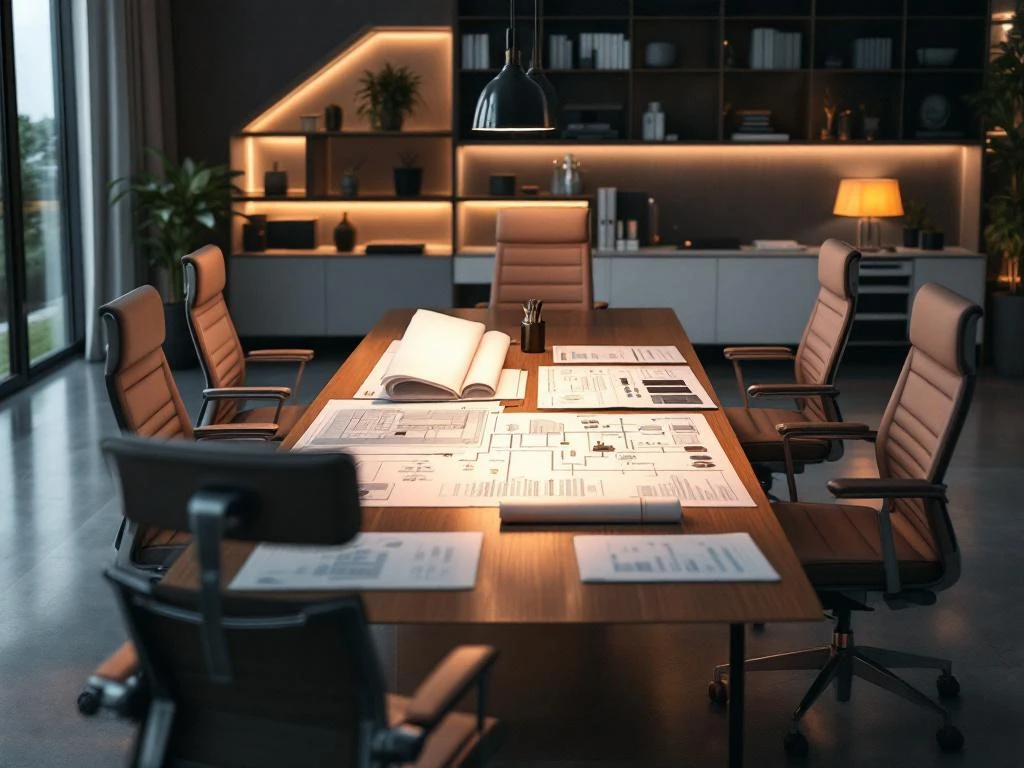
Projectinrichting werkt het beste tijdens veranderingstrajecten wanneer beide processen gelijktijdig worden gepland en uitgevoerd. De fysieke werkomgeving ondersteunt dan de nieuwe werkwijzen en cultuurveranderingen die je wilt doorvoeren. Timing, medewerkerbetrokkenheid en duidelijke communicatie bepalen het succes van deze gecombineerde aanpak.
Wat is projectinrichting en hoe past het bij organisatieverandering?
Projectinrichting is het complete proces van het ontwerpen en inrichten van werkruimtes die perfect aansluiten bij je bedrijfsdoelen en werkwijzen. Bij organisatieverandering speelt de fysieke werkomgeving een ondersteunende rol door nieuwe gedragingen te stimuleren en gewenste cultuurveranderingen te versterken.
De samenhang tussen ruimtelijke aanpassingen en organisatorische transformaties is sterker dan veel bedrijven denken. Wanneer je bijvoorbeeld wilt overstappen op meer samenwerking tussen teams, helpt een open kantoorindeling met flexibele werkplekken om deze nieuwe manier van werken te stimuleren. De ruimte wordt dan een instrument dat je veranderingsdoelen ondersteunt.
Denk aan concrete voorbeelden: als je meer digitaal wilt werken, richt je vergaderruimtes in met moderne technologie. Wil je een informelere cultuur creëren? Dan voeg je ontmoetingsplekken en loungehoeken toe waar medewerkers elkaar kunnen ontmoeten. De fysieke omgeving versterkt zo de boodschap die je met je veranderingstraject wilt overbrengen.
Waarom is timing zo belangrijk bij kantoorinrichting tijdens veranderingstrajecten?
De juiste timing voorkomt dat medewerkers dubbel belast worden en zorgt ervoor dat beide processen elkaar versterken in plaats van tegenwerken. Idealiter start je de planningsfase van je kantoorinrichting gelijktijdig met de voorbereiding van je organisatieverandering, zodat beide trajecten op elkaar afgestemd kunnen worden.
Een slimme fasering begint met het betrekken van medewerkers bij beide processen tegelijk. Zo kunnen zij input geven op zowel de nieuwe werkwijzen als de gewenste werkomgeving. Dit voorkomt dat je achteraf moet bijsturen omdat de inrichting niet aansluit bij de nieuwe organisatievorm.
Let vooral op deze volgorde: communiceer de veranderingen voordat je begint met verbouwen. Medewerkers moeten begrijpen waarom de ruimte verandert en hoe dit bijdraagt aan de organisatiedoelen. Plan de daadwerkelijke inrichting zo dat deze klaar is wanneer de nieuwe werkwijzen worden geïmplementeerd. Zo ervaren medewerkers beide veranderingen als één logisch geheel.
Welke uitdagingen kom je tegen bij het combineren van projectinrichting en verandering?
De grootste uitdaging is het voorkomen van veranderingsmoeheid bij medewerkers die gelijktijdig moeten wennen aan nieuwe werkwijzen én een nieuwe werkomgeving. Ook het afstemmen van verschillende tijdlijnen en budgetten vraagt veel coördinatie tussen verschillende betrokkenen.
Veel organisaties onderschatten de complexiteit van het combineren van beide processen. Je hebt te maken met verschillende leveranciers, interne projectleiders en externe adviseurs die allemaal op elkaar afgestemd moeten worden. Miscommunicatie tussen deze partijen kan leiden tot vertraging of verkeerde keuzes in de inrichting.
Een veelvoorkomende valkuil is het nemen van inrichtingsbeslissingen voordat de nieuwe organisatiestructuur helder is. Dit leidt tot werkplekken die niet aansluiten bij de uiteindelijke werkwijzen. Vermijd dit door eerst je veranderingsdoelen helder te krijgen en pas daarna inrichtingskeuzes te maken die deze doelen ondersteunen.
Ook weerstand tegen verandering kan toenemen wanneer medewerkers het gevoel hebben dat er te veel tegelijk gebeurt. Zorg daarom voor heldere communicatie over de voordelen van beide veranderingen en betrek medewerkers actief bij beide processen.
Hoe betrek je medewerkers bij zowel kantoorinrichting als organisatieverandering?
Effectieve medewerkerbetrokkenheid begint met gecombineerde workshops waarin je medewerkers laat meedenken over zowel nieuwe werkwijzen als de gewenste werkomgeving. Zo zien zij direct de samenhang tussen beide veranderingen en kunnen zij waardevolle input geven.
Gebruik participatiemethoden die beide onderwerpen integreren. Organiseer bijvoorbeeld sessies waarin teams eerst bespreken hoe zij in de toekomst willen samenwerken en laat hen daarna aangeven welke ruimtes en voorzieningen daarbij helpen. Dit creëert draagvlak omdat medewerkers zelf de link leggen tussen organisatieverandering en inrichting.
Communiceer regelmatig over de voortgang van beide trajecten. Laat zien hoe beslissingen over de inrichting voortkomen uit de gewenste organisatieveranderingen. Gebruik visualisaties zoals plattegronden en 3D-ontwerpen om medewerkers te helpen begrijpen hoe de nieuwe ruimte eruitziet en waarom bepaalde keuzes zijn gemaakt.
Benoem ook ambassadeurs uit verschillende afdelingen die fungeren als schakel tussen het projectteam en hun collega’s. Zij kunnen vragen beantwoorden en feedback verzamelen over beide veranderingen, wat de acceptatie vergroot.
Hoe Wout Monseurs helpt met projectinrichting tijdens veranderingstrajecten
Wij begrijpen dat projectinrichting meer is dan alleen meubels neerzetten. Daarom werken we nauw samen met jouw organisatie om te begrijpen welke veranderingen jullie willen doorvoeren en hoe de werkruimte deze kan ondersteunen. Onze ervaring van meer dan 60 jaar helpt ons om de juiste vragen te stellen en mee te denken over de beste aanpak.
We starten altijd met een grondige analyse van zowel jullie organisatiedoelen als ruimtelijke wensen. Ons team begeleidt jullie door het hele proces, van de eerste gesprekken tot en met de oplevering van de nieuwe werkruimte. We zorgen ervoor dat alle betrokkenen op de hoogte blijven en dat de planning aansluit bij jullie veranderingstraject.
Door onze integrale aanpak hoef je niet met meerdere partijen te schakelen. We regelen alles voor je, van ontwerp tot realisatie, zodat jij je kunt focussen op de organisatorische veranderingen. Wil je weten hoe wij jullie kunnen helpen bij het succesvol combineren van kantoorinrichting en verandering? Neem contact met ons op voor een vrijblijvend gesprek.
Veelgestelde vragen
Hoe lang duurt het gemiddeld om projectinrichting en organisatieverandering succesvol te combineren?
Een gecombineerd traject duurt meestal 6-12 maanden, afhankelijk van de omvang van beide veranderingen. De planningsfase van 2-3 maanden is cruciaal voor succes, gevolgd door een gefaseerde uitvoering waarbij communicatie en implementatie hand in hand gaan. Reken op 20-30% meer tijd dan bij separate trajecten, maar dit levert uiteindelijk betere resultaten op.
Wat zijn de grootste fouten die organisaties maken bij het combineren van kantoorinrichting en verandertrajecten?
De meest voorkomende fout is het starten van de inrichting voordat de organisatorische doelen helder zijn. Andere valkuilen zijn onvoldoende communicatie tussen verschillende projectteams, het onderschatten van veranderingsmoeheid bij medewerkers, en het niet afstemmen van budgetten en tijdlijnen tussen beide trajecten.
Hoe voorkom je weerstand van medewerkers tegen zoveel veranderingen tegelijk?
Start met transparante communicatie over waarom beide veranderingen nodig zijn en hoe ze elkaar versterken. Betrek medewerkers actief bij besluitvorming door gezamenlijke workshops en feedback sessies. Zorg voor duidelijke ambassadeurs per afdeling en plan bewust rustmomenten tussen grote veranderingen om veranderingsmoeheid te voorkomen.
Welke rol speelt het budget bij het combineren van projectinrichting en organisatieverandering?
Een gecombineerde aanpak kan kostenbesparingen opleveren door efficiëntere planning en minder dubbel werk. Reserveer echter 15-20% extra budget voor onvoorziene aanpassingen die voortkomen uit de wisselwerking tussen beide trajecten. Maak heldere afspraken over budgetverantwoordelijkheden tussen HR, Facilities en andere betrokken afdelingen.
Hoe meet je het succes van een gecombineerd inrichting- en veranderingstraject?
Stel vooraf concrete KPI’s vast voor beide trajecten, zoals medewerkertevredenheid, ruimtebenutting, en adoptie van nieuwe werkwijzen. Meet deze zowel vóór, tijdens als 3-6 maanden na implementatie. Gebruik ook kwalitatieve feedback via interviews en observaties om te beoordelen of de fysieke ruimte daadwerkelijk de gewenste gedragsveranderingen ondersteunt.
Wanneer is het beter om projectinrichting en organisatieverandering niet te combineren?
Vermijd combinatie bij acute crisissituaties waar snelle organisatorische aanpassingen nodig zijn, of wanneer je organisatie recent andere grote veranderingen heeft doorgemaakt. Ook bij zeer beperkte budgetten of wanneer de huidige werkruimte al goed functioneert, kan het verstandiger zijn om trajecten te spreiden over meer tijd.