

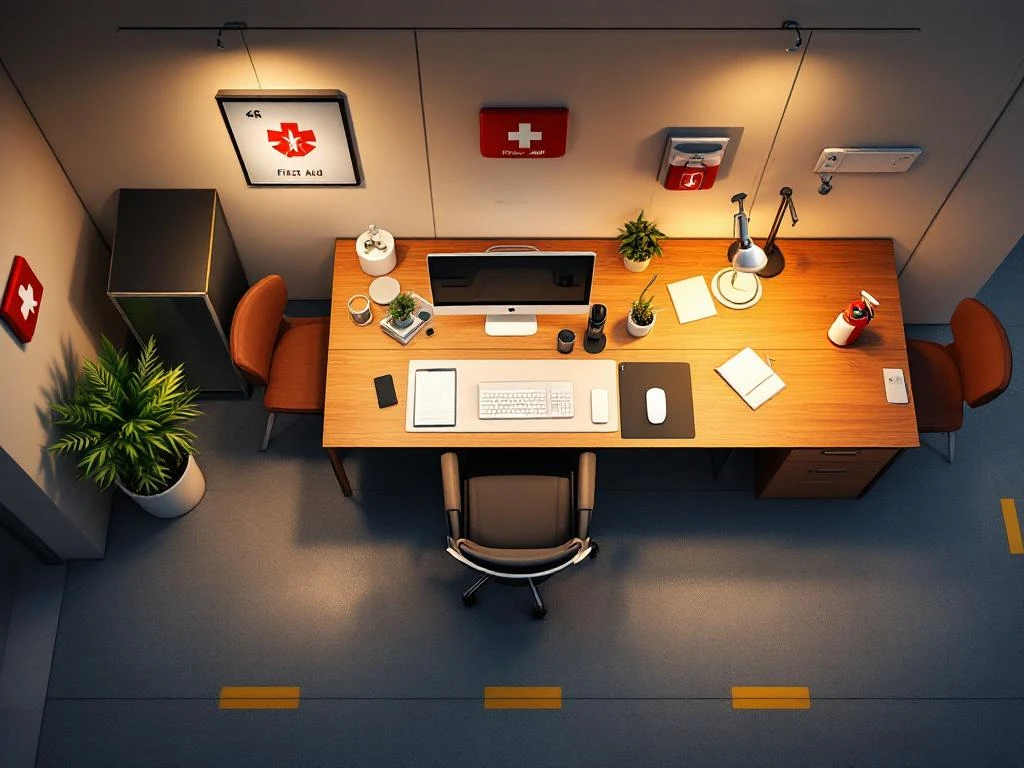
Arbo-conforme projectinrichting zorgt ervoor dat werkplekken voldoen aan de wettelijke eisen uit de Arbeidsomstandighedenwet. Dit betekent dat je kantoor ergonomische meubelen, de juiste verlichting, een goede luchtkwaliteit en veilige werkplekken biedt. Een goede projectinrichting voorkomt werkgerelateerde klachten en verhoogt de productiviteit van je medewerkers.
Wat zijn de belangrijkste arbo-richtlijnen voor kantoorinrichting?
De Arbeidsomstandighedenwet stelt duidelijke eisen aan kantooromgevingen om de gezondheid en veiligheid van werknemers te beschermen. Werkgevers zijn verplicht om werkplekken ergonomisch in te richten, adequate verlichting te bieden en een gezond binnenklimaat te creëren.
De kernrichtlijnen omvatten ergonomische werkplekken waar medewerkers comfortabel kunnen werken zonder lichamelijke overbelasting. Bureaus moeten in hoogte verstelbaar zijn en stoelen moeten voldoende ondersteuning bieden voor rug en armen. Daarnaast zijn er specifieke eisen voor beeldschermwerk, zoals de juiste afstand tot de monitor en regelmatige pauzes.
Veiligheidsaspecten spelen ook een belangrijke rol. Denk aan voldoende vluchtwegen, brandveiligheid en het voorkomen van struikelgevaar. De werkruimte moet bovendien schoon en opgeruimd zijn, met voldoende ruimte om vrij te kunnen bewegen.
Hoe zorg je dat bureaus en stoelen voldoen aan ergonomische eisen?
Ergonomische bureaumeubelen moeten volledig aanpasbaar zijn aan verschillende lichaamstypen en werkstijlen. Een goed bureau heeft een verstelbare hoogte tussen 62 en 82 centimeter, zodat je onderarmen horizontaal op het werkblad kunnen rusten zonder spanning in je schouders.
Bij het kiezen van bureaustoelen let je op verschillende verstelmogelijkheden. De zithoogte moet aanpasbaar zijn, zodat je voeten plat op de grond staan en je bovenbenen horizontaal zijn. De rugleuning moet de natuurlijke kromming van je rug ondersteunen, vooral in de lendenstreek.
Armsteunen zijn belangrijk voor het ontlasten van schouders en nek. Ze moeten in hoogte en breedte verstelbaar zijn, zodat je armen ontspannen kunnen rusten terwijl je typt. Het bureaublad moet voldoende ruimte bieden voor toetsenbord, muis en andere werkspullen, met minimaal 60 centimeter diepte.
Welke verlichting en klimaateisen gelden voor een veilige werkplek?
Goede werkplekverlichting vereist minimaal 500 lux op het werkoppervlak voor kantoorwerk. Natuurlijk licht is het beste, maar moet worden gecombineerd met kunstverlichting om schaduwvorming en verblinding te voorkomen.
Beeldschermen mogen geen reflecties vertonen van ramen of lampen. Plaats monitors daarom haaks op ramen en zorg voor regelbare zonwering. Kunstverlichting moet gelijkmatig verdeeld zijn en flikkering voorkomen, wat vermoeidheid van de ogen kan veroorzaken.
Voor het binnenklimaat geldt een temperatuur tussen 20 en 22 graden Celsius bij zittend werk. De luchtvochtigheid moet tussen 40 en 60 procent liggen. Zorg voor voldoende ventilatie met minimaal 25 kubieke meter verse lucht per persoon per uur. Tocht moet je voorkomen, evenals grote temperatuurverschillen binnen de werkruimte.
Hoe voorkom je RSI en andere werkgerelateerde klachten?
RSI-preventie begint met de juiste werkplekopstelling en het stimuleren van een afwisselende werkhouding. Je monitor moet op armlengte staan, met de bovenkant op ooghoogte, zodat je nek in een neutrale positie blijft tijdens het werken.
Toetsenbord en muis plaats je op dezelfde hoogte als je ellebogen, zodat je polsen recht blijven tijdens het typen. Gebruik eventueel een polssteun, maar laat je polsen er niet permanent op rusten. Wissel regelmatig tussen zitten en staan door gebruik te maken van zit-stabureaus.
Stimuleer je medewerkers om elke 30 minuten een korte pauze te nemen en wat te bewegen. Dit kan gewoon het rondlopen naar de koffieautomaat zijn of het doen van enkele rekoefeningen. Zorg ook voor voldoende beenruimte onder het bureau, zodat mensen hun houding kunnen wisselen zonder beperkt te worden.
Hoe Wout Monseurs helpt met arbo-conforme projectinrichting
Wij zorgen ervoor dat jouw projectinrichting volledig voldoet aan alle arbo-richtlijnen, zonder dat je je daar zorgen over hoeft te maken. Onze experts kennen de wetgeving door en door en vertalen deze naar praktische inrichtingsoplossingen die écht werken voor jouw medewerkers.
We beginnen altijd met een grondige analyse van jouw werkruimte en de specifieke behoeften van je team. Vervolgens ontwerpen we een kantooromgeving die niet alleen voldoet aan alle wettelijke eisen, maar ook bijdraagt aan het welzijn en de productiviteit van je personeel, van ergonomische meubelen tot optimale verlichting en klimaatbeheersing.
Ons voordeel is dat we alles uit één hand leveren: ontwerp, levering, installatie en nazorg. Je hebt één aanspreekpunt voor het hele traject en we zorgen ervoor dat alles perfect op elkaar afgestemd is. Wil je weten hoe wij jouw kantoor arbo-conform kunnen inrichten? Neem contact met ons op voor een vrijblijvend gesprek over de mogelijkheden.
Veelgestelde vragen
Hoe vaak moet ik de arbo-compliance van mijn kantoorinrichting controleren?
Het is verstandig om jaarlijks een arbo-check uit te voeren, vooral bij wijzigingen in de werkruimte of nieuwe medewerkers. Daarnaast moet je bij klachten van werknemers direct actie ondernemen. Houd ook rekening met wetswijzigingen en nieuwe inzichten over werkplekergonomie.
Wat zijn de kosten voor het arbo-conform inrichten van een kantoor?
De kosten variëren sterk afhankelijk van de grootte van je kantoor en huidige situatie. Reken op €1.500 tot €3.000 per werkplek voor een complete arbo-conforme inrichting. Dit lijkt veel, maar voorkomt dure ziekteverzuim en verhoogt de productiviteit aanzienlijk.
Kan ik bestaande meubelen gebruiken als ze gedeeltelijk voldoen aan arbo-eisen?
Ja, vaak kunnen bestaande meubelen worden aangepast of aangevuld. Bijvoorbeeld door ergonomische accessoires toe te voegen of de opstelling te optimaliseren. Een expert kan beoordelen wat behouden kan blijven en wat vervangen moet worden voor volledige compliance.
Hoe zorg ik ervoor dat medewerkers hun werkplek correct gebruiken na de inrichting?
Organiseer een instructiesessie waarin je uitlegt hoe alle verstelmogelijkheden werken. Geef schriftelijke handleidingen en benoem werkplekconsulenten die collega’s kunnen helpen. Controleer regelmatig of iedereen zijn werkplek correct heeft ingesteld.
Wat moet ik doen als medewerkers ondanks arbo-conforme inrichting nog klachten hebben?
Neem klachten altijd serieus en onderzoek de oorzaak. Mogelijk is de werkplek niet goed afgesteld op de individuele medewerker, of zijn er andere factoren zoals werkstress. Overweeg een individuele werkplekanalyse of aanvullende ergonomische hulpmiddelen.
Zijn er speciale eisen voor thuiswerkplekken van mijn medewerkers?
Ja, als werkgever ben je ook verantwoordelijk voor de arbo-compliance van thuiswerkplekken. Je moet minimaal een ergonomische bureaustoel en verstelbaar bureau beschikbaar stellen. Daarnaast is het verstandig om een thuiswerkplek-assessment uit te voeren.
Hoe lang duurt het om een kantoor volledig arbo-conform in te richten?
Voor een gemiddeld kantoor (10-50 werkplekken) duurt het proces 4-8 weken van ontwerp tot oplevering. Dit omvat analyse, ontwerp, bestelling, levering en installatie. Bij grotere projecten of complexe situaties kan dit langer duren.