

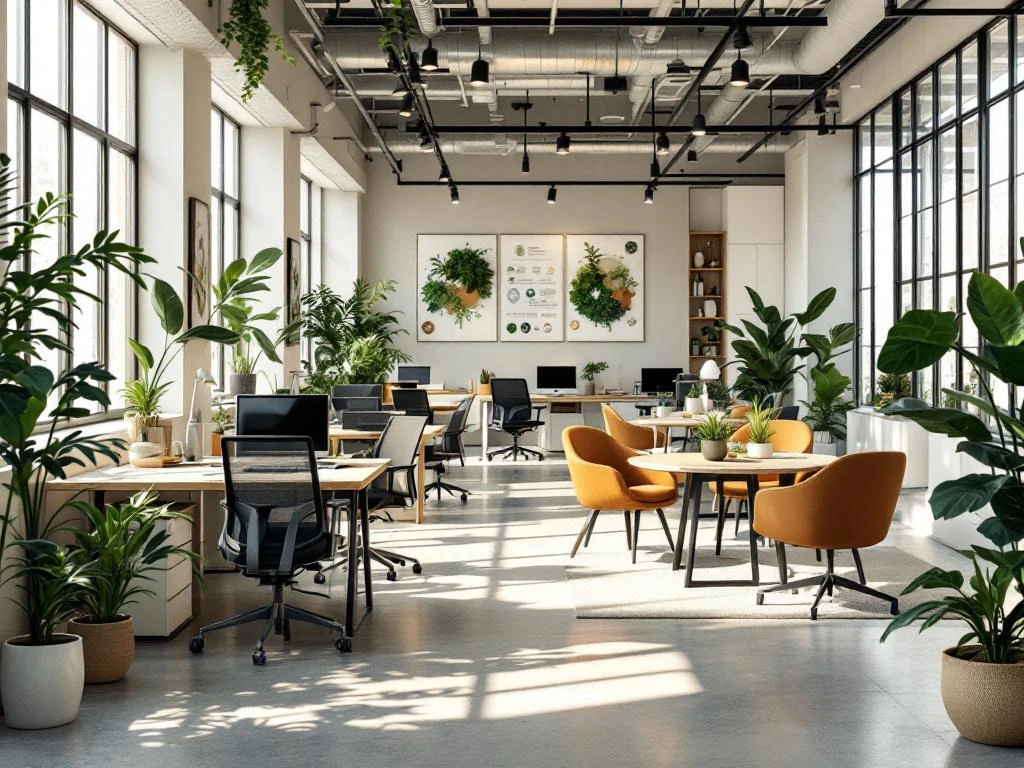
Ja, je kunt projectinrichting zeker duurzaam maken door bewuste keuzes in materialen, ontwerp en uitvoering. Duurzame projectinrichting focust op milieuvriendelijke materialen, circulaire ontwerpen en langdurige kwaliteit. Dit helpt je om je ecologische voetafdruk te verkleinen, terwijl je tegelijkertijd bespaart op langetermijnkosten.
Wat maakt projectinrichting eigenlijk duurzaam?
Duurzame projectinrichting draait om het materiaalgebruik, de productieprocessen en de levensduur van kantoormeubelen. Het betekent dat je kiest voor meubelen die gemaakt zijn van gerecyclede of hernieuwbare materialen, geproduceerd worden met minimale milieu-impact en lang meegaan.
De kernprincipes van duurzame kantoorinrichting omvatten verschillende aspecten. FSC-certificering garandeert dat hout uit verantwoord beheerde bossen komt. Gerecyclede materialen geven afval een tweede leven. Circulaire ontwerpen zorgen ervoor dat meubelen aan het einde van hun levensduur weer volledig herbruikbaar zijn.
Ook de productieprocessen maken het verschil. Fabrikanten die gebruikmaken van hernieuwbare energie, waterbesparende technieken en lokale leveranciers, hebben een kleinere ecologische voetafdruk. De transportafstand van je kantoormeubelen speelt ook een rol: lokaal geproduceerde meubelen zijn vaak duurzamer dan producten die van ver moeten komen.
Welke duurzame materialen kun je kiezen voor kantoormeubelen?
Voor kantoormeubelen heb je verschillende milieuvriendelijke materiaalopties, zoals bamboe, gerecycled hout, bioplastics en gerecyclede metalen. Bamboe groeit snel en heeft weinig water nodig. Gerecycled aluminium en staal behouden hun sterkte, terwijl ze minder energie vragen bij de productie.
Bamboe is een populaire keuze omdat het binnen vijf jaar volgroeid is, terwijl traditioneel hout decennia nodig heeft. Gerecycled hout geeft oude meubelen een tweede leven en voorkomt houtverspilling. Bioplastics, gemaakt van plantaardige materialen, vervangen traditionele kunststoffen die slecht afbreekbaar zijn.
Let bij je keuze op certificeringen zoals FSC voor hout, Cradle to Cradle voor circulaire producten en GREENGUARD voor lage chemische uitstoot. Deze labels helpen je om echt duurzame producten te herkennen. Gerecyclede metalen zoals aluminium en staal zijn niet alleen milieuvriendelijk, maar ook duurzaam en onderhoudsvriendelijk.
Hoe kun je bestaande kantoormeubelen hergebruiken en upgraden?
Je kunt bestaande kantoormeubelen hergebruiken door refurbishment, modulaire aanpassingen en slimme herindeling. Veel bureaus, kasten en stoelen zijn geschikt voor opknapbeurten, waarbij je alleen de onderdelen vervangt die versleten zijn.
Beoordeel welke meubelen geschikt zijn voor hergebruik door te kijken naar de constructie en het materiaal. Massief houten meubelen en metalen frames gaan vaak tientallen jaren mee met het juiste onderhoud. Modulaire systemen kun je eenvoudig uitbreiden of aanpassen aan nieuwe behoeften, zonder complete vervanging.
Refurbishment kan bestaan uit het vervangen van wieltjes van bureaustoelen, nieuwe handgrepen op kasten of het opnieuw beitsen van houten oppervlakken. Herindeling van je kantoorruimte kan bestaande meubelen een nieuwe functie geven. Een oude vergadertafel kan bijvoorbeeld perfect dienstdoen als werkplek voor projectteams.
Wat zijn de voordelen van circulaire kantoorinrichting voor bedrijven?
Circulaire kantoorinrichting biedt kostenbesparingen, verbeterde werknemerstevredenheid en een positief merkimago. Op de lange termijn bespaar je geld omdat duurzame meubelen langer meegaan en minder onderhoud vragen. Werknemers waarderen een gezonde werkomgeving met kwalitatieve meubelen.
De financiële voordelen worden vaak onderschat. Hoogwaardige, duurzame meubelen hebben een langere levensduur, waardoor je ze minder vaak hoeft te vervangen. Ook de restwaarde blijft hoger, wat belangrijk is bij een eventuele doorverkoop of leaseconstructies.
Voor je merkimago maakt duurzaamheid steeds meer verschil. Klanten, partners en potentiële werknemers kijken naar hoe bedrijven omgaan met milieuvraagstukken. Een duurzaam ingericht kantoor toont aan dat je verantwoordelijkheid neemt. Dit helpt ook bij het behalen van ESG-doelstellingen, die steeds belangrijker worden voor investeerders en stakeholders.
Hoe Wout Monseurs helpt met duurzame projectinrichting
Wij helpen je met duurzame kantooroplossingen door samen te werken met milieubewuste merken zoals Interstuhl, Voortman en Gispen. Ons team adviseert je over circulaire ontwerpen die passen bij jouw bedrijfsvisie en budget. We kijken samen naar mogelijkheden voor hergebruik van bestaande meubelen en vullen aan met nieuwe, duurzame producten waar nodig.
Onze projectinrichting begint altijd met een grondige analyse van je huidige situatie en duurzaamheidsdoelen. We maken een 3D-ontwerp waarin je precies ziet hoe duurzame keuzes eruitzien in jouw kantoor. Daarbij houden we rekening met ergonomie, functionaliteit en je specifieke wensen.
Wil je weten hoe wij jouw kantoor duurzaam kunnen inrichten? Neem dan contact met ons op voor een vrijblijvend gesprek over de mogelijkheden.
Veelgestelde vragen
Hoe lang gaan duurzame kantoormeubelen gemiddeld mee vergeleken met standaard meubelen?
Duurzame kantoormeubelen gaan vaak 15-25 jaar mee, terwijl standaard meubelen meestal 5-10 jaar meegaan. Door de hogere kwaliteit materialen en betere constructie hebben ze minder onderhoud nodig en behouden ze langer hun functionaliteit en uitstraling.
Wat zijn de eerste stappen om te beginnen met duurzame kantoorinrichting bij een beperkt budget?
Begin met een inventarisatie van je huidige meubelen om te zien wat hergebruikt kan worden. Focus daarna op de meest gebruikte items zoals bureaustoelen en werk eerst met refurbishment. Vervang geleidelijk andere meubelen door duurzame alternatieven en overweeg leasing om de initiële kosten te spreiden.
Hoe herken ik échte duurzame kantoormeubelen tussen alle 'groene' marketing claims?
Kijk naar officiële certificeringen zoals FSC, Cradle to Cradle, GREENGUARD of EU Ecolabel. Vraag naar de materiaalsamenstelling, productieproces en transportafstand. Echte duurzame merken zijn transparant over hun productieprocessen en kunnen concrete gegevens verstrekken over hun milieu-impact.
Kan ik mijn huidige kantoormeubelen laten upgraden in plaats van nieuwe te kopen?
Ja, veel kantoormeubelen zijn geschikt voor refurbishment. Denk aan nieuwe bekleding voor stoelen, vervanging van onderdelen zoals wieltjes of handgrepen, en opnieuw afwerken van houten oppervlakken. Dit is vaak 60-70% goedkoper dan nieuw kopen en veel duurzamer.
Welke veelgemaakte fouten moet ik vermijden bij duurzame kantoorinrichting?
Vermijd het kopen van ‘groene’ meubelen zonder certificering, het negeren van transportafstanden bij de aankoop, en het wegdoen van nog bruikbare meubelen. Ook het kiezen van de goedkoopste duurzame optie kan verkeerd uitpakken – investeer in kwaliteit voor echte lange termijn voordelen.
Hoe meet ik het succes van mijn duurzame kantoorinrichting?
Meet het succes door je CO2-voetafdruk, afvalreductie en kostenbesparingen bij te houden. Volg ook de tevredenheid van werknemers over hun werkomgeving en monitor hoeveel meubelen je hergebruikt hebt. Veel bedrijven zien binnen 3-5 jaar een positieve ROI door lagere vervangingskosten.
Wat gebeurt er met mijn duurzame meubelen aan het einde van hun levensduur?
Echte circulaire meubelen zijn ontworpen om volledig gedemonteerd en hergebruikt te worden. Materialen zoals metaal en hout kunnen gerecycled worden, terwijl sommige fabrikanten take-back programma’s aanbieden. Plan dit al bij de aankoop door te vragen naar de end-of-life opties van je meubelen.