

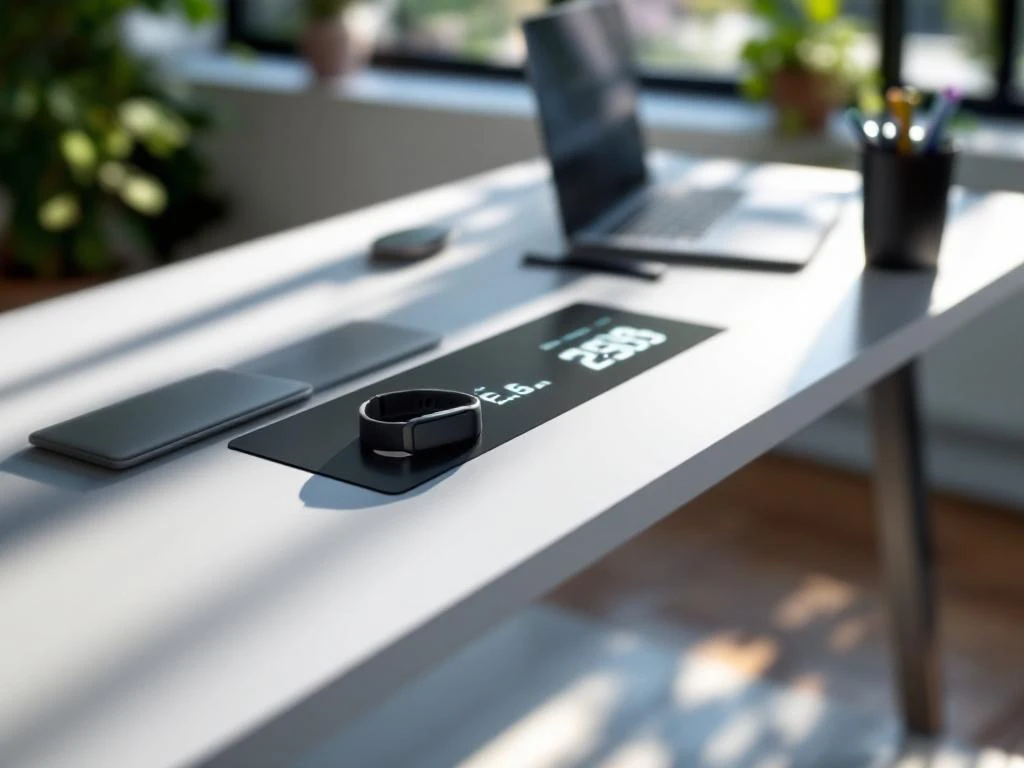
Smart office-bureaus kunnen inderdaad gezondheidsdata bijhouden door middel van geïntegreerde sensoren en intelligente technologie. Deze slimme werkplekken monitoren bewegingspatronen, houding en werkgewoonten om werknemers te helpen gezonder te werken. De technologie varieert van bewegingssensoren tot houdingsdetectie, waarbij realtime feedback wordt gegeven voor betere ergonomie en welzijn op de werkplek.
Wat zijn smart office-bureaus en hoe werken ze precies?
Smart office-bureaus zijn intelligente werkplekken, uitgerust met sensoren en digitale technologie, die automatisch data verzamelen over werkgewoonten en lichaamshouding. Deze bureaus bevatten bewegingssensoren, druksensoren en soms zelfs camera’s die de werkhouding analyseren zonder de privacy te schenden.
De technologie werkt door verschillende soorten sensoren te integreren in het bureauoppervlak, de bureaupoten of externe apparaten. Bewegingssensoren detecteren wanneer je opstaat of gaat zitten, terwijl druksensoren de verdeling van het lichaamsgewicht meten. Sommige systemen gebruiken ook infraroodsensoren om de afstand tussen gebruiker en beeldscherm te monitoren.
Deze gegevens worden verzameld via draadloze verbindingen en verwerkt door software die patronen herkent. Het systeem kan bijvoorbeeld detecteren dat je al drie uur achter elkaar zit en een melding sturen om een pauze te nemen. De data wordt vaak getoond via smartphone-apps of computersoftware die persoonlijke dashboards bieden.
Welke gezondheidsdata kunnen slimme bureaus daadwerkelijk bijhouden?
Moderne smart office-bureaus kunnen diverse gezondheidsgegevens monitoren, waaronder zit-sta-patronen, houdingsgegevens, bewegingsfrequentie en werkpauzes. Deze metingen geven inzicht in ergonomische gewoonten en helpen bij het voorkomen van lichamelijke klachten door langdurig zitten.
De specifieke data die wordt bijgehouden, omvat:
- De tijd die wordt doorgebracht in zittende versus staande positie
- De frequentie van positiewisselingen gedurende de dag
- Houdingsgegevens, zoals vooroverbuigen of scheef zitten
- De duur van werkpauzes en bewegingsmomenten
Sommige geavanceerde systemen kunnen ook de afstand tot het beeldscherm meten, de hoek van de rug ten opzichte van de rugleuning detecteren en zelfs stressindicatoren afleiden uit bewegingspatronen. Deze informatie wordt gebruikt om gepersonaliseerde aanbevelingen te geven voor gezonder werken.
Waarom is het bijhouden van gezondheidsdata op de werkplek belangrijk?
Het monitoren van gezondheidsdata op de werkplek helpt bij het voorkomen van RSI-klachten en andere lichamelijke problemen die ontstaan door langdurig zitten. Voor werkgevers betekent dit minder ziekteverzuim en hogere productiviteit, terwijl werknemers profiteren van een betere gezondheid en meer energie.
Langdurig zitten wordt in verband gebracht met verschillende gezondheidsproblemen, waaronder rugklachten, nekpijn, verminderde bloedcirculatie en een verhoogd risico op hart- en vaatziekten. Door bewustwording van werkgewoonten te creëren, kunnen werknemers actief stappen ondernemen om deze risico’s te verminderen.
De voordelen voor organisaties zijn aanzienlijk. Gezondere werknemers zijn productiever, nemen minder ziektedagen op en ervaren minder werkstress. Bovendien laat investeren in werknemerswelzijn zien dat de organisatie waarde hecht aan de gezondheid van haar personeel, wat de werknemerstevredenheid en retentie verbetert.
Hoe betrouwbaar zijn de metingen van smart office-technologie?
De betrouwbaarheid van smart office-metingen is over het algemeen goed voor basisbewegingspatronen, zoals zit-sta-gedrag, maar minder nauwkeurig voor complexe houdingsanalyses. De technologie geeft waardevolle trends weer, maar kan professionele ergonomische beoordelingen niet volledig vervangen.
Bewegingssensoren en tijdmetingen zijn zeer accuraat en kunnen betrouwbaar bijhouden hoelang je zit of staat. Druksensoren geven goede indicaties van de gewichtsverdeling en kunnen detecteren wanneer je scheef zit of vooroverbuigt. Deze metingen zijn meestal binnen een marge van enkele procenten nauwkeurig.
Meer complexe analyses, zoals de exacte rughoek of stressindicatoren, zijn echter minder betrouwbaar en moeten worden gezien als richtlijnen in plaats van medische diagnoses. Het is belangrijk om de data te interpreteren als trends en patronen, niet als absolute waarheden. Regelmatige kalibratie en bewustzijn van de beperkingen van de technologie zijn essentieel voor effectief gebruik.
Hoe wij helpen met smart office-oplossingen
Wij ondersteunen bedrijven bij het implementeren van intelligente kantooroplossingen die gezondheid en productiviteit verbeteren. Onze expertise in ergonomische werkplekken combineert traditionele kantoorinrichting met moderne smart office-technologie voor optimale resultaten.
Onze diensten omvatten:
- Advies over slimme bureausystemen en gezondheidsmonitoring
- Integratie van smart office-technologie in bestaande kantoorinrichtingen
- Ergonomische beoordelingen en optimalisatie van werkplekken
- Projectinrichting met focus op duurzaamheid en welzijn
Met meer dan 60 jaar ervaring in kantoorinrichting begrijpen wij hoe technologie en ergonomie kunnen samenwerken voor gezondere werkplekken. Wij helpen bij het selecteren van de juiste smart office-oplossingen die aansluiten bij uw bedrijfscultuur en doelstellingen. Neem contact met ons op voor een vrijblijvend adviesgesprek over slimme kantooroplossingen die uw werknemers gezonder en productiever maken.
Veelgestelde vragen
Wat zijn de kosten van een smart office-bureau en is de investering het waard?
Smart office-bureaus variëren in prijs van €800 tot €3000, afhankelijk van de functies en sensoren. De investering verdient zich vaak terug door verminderd ziekteverzuim en hogere productiviteit. Veel bedrijven zien een ROI binnen 12-18 maanden door gezondere, meer betrokken werknemers.
Hoe begin ik met het implementeren van smart office-technologie in mijn bedrijf?
Start met een pilot project van 5-10 werkplekken om de impact te meten. Kies eerst werknemers die veel computertijd hebben of al klachten ervaren. Zorg voor goede uitleg over privacy en voordelen, en evalueer na 3 maanden of uitbreiding zinvol is.
Worden mijn privacy en persoonlijke gegevens beschermd bij smart office-systemen?
Moderne smart office-systemen werken volgens AVG-richtlijnen en slaan alleen anonieme bewegingsdata op. Persoonlijke identificatie gebeurt niet, en werknemers hebben altijd inzage in hun eigen data. Kies systemen met lokale dataopslag en transparante privacyvoorwaarden.
Kunnen smart bureaus ook werken voor thuiswerkers of hybride werkplekken?
Ja, veel smart office-technologie is ook geschikt voor thuiskantoren. Draagbare sensoren en app-gebaseerde systemen maken monitoring mogelijk ongeacht de locatie. Dit helpt bedrijven om ergonomische ondersteuning te bieden aan alle werknemers, ook bij hybride werkmodellen.
Wat gebeurt er als werknemers de smart office-technologie niet willen gebruiken?
Dwang is contraproductief – focus op vrijwillige deelname en duidelijke voordelen. Bied alternatieven zoals traditionele ergonomische assessments en maak het systeem opt-in. Vaak stijgt de acceptatie natuurlijk wanneer collega’s positieve resultaten delen.
Hoe vaak moet ik naar de waarschuwingen en aanbevelingen van mijn smart bureau luisteren?
Begin met het opvolgen van 70-80% van de aanbevelingen om gewenning te bevorderen. Pas de instellingen aan naar uw werkritme – bijvoorbeeld minder frequente pauzemeldingen tijdens belangrijke meetings. Het doel is bewustwording, niet verstoring van uw productiviteit.