

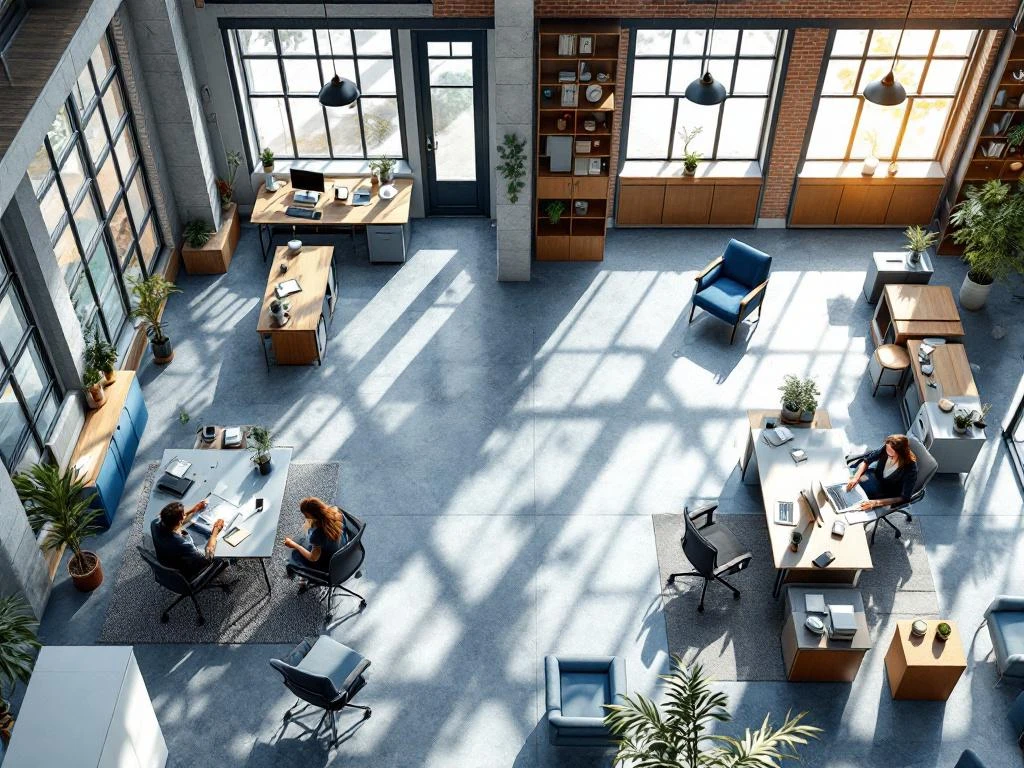
Budget-friendly project design starts with smart choices and good planning. You can save costs by considering second-hand furniture, leasing, and phased design. Also, be aware of hidden costs such as transport and assembly. With the right financing options, you can spread the investment over several years. This approach helps you create a professional working environment within any budget.
What inexpensive alternatives are there for new office furniture?
Secondhand office furniture, refurbished options, and modular systems offer excellent alternatives to new furniture. These choices can reduce your budget by 30-70% without compromising on quality. Leasing arrangements spread the costs and offer flexibility for growing businesses.
Second-hand office furniture is often of high quality because companies regularly relocate or renovate. You can find high-quality desks, chairs, and cabinets at a fraction of the new price. Pay attention to the condition of ergonomic parts such as armrests and seat mechanisms.
Refurbished furniture combines affordable prices with renewed parts. Suppliers replace worn parts and provide a warranty on the end result. This gives you certainty about quality and lifespan.
Modular systems allow you to start small and expand when necessary. You invest in phases and adapt the layout as you grow. This flexibility prevents overcapacity and unnecessary expenditure in the initial phase.
Leasing arrangements significantly reduce the initial investment. You pay monthly amounts that fit your cash flow. Many leasing agreements include maintenance and replacement, which prevents unexpected costs.
How can you plan smarter to save costs in project design?
A phased approach spreads costs over time and prevents waste. Start with important areas such as workspaces and meeting rooms. Furnish secondary areas later when the budget allows. This approach aligns investments with the growth of your business.
Prioritize spaces based on daily use and business impact. Employee workspaces deserve the most attention because they directly affect productivity. Reception areas and executive offices can be addressed later.
Reuse existing elements where possible. Good cabinets, tables, and technical installations can often remain in place with minor adjustments. This significantly reduces purchase costs and contributes to sustainability.
Plan purchases around seasons and supplier promotions. Many furniture brands offer discounts at the end of the year or when launching new collections. Flexibility in timing can yield savings of 10-20%.
Combine different projects for a better negotiating position. If you are furnishing multiple locations or planning a phased project, you will often receive volume discounts from suppliers.
What are the hidden costs you should be aware of when setting up a project?
Transport, assembly, and installation costs often account for 15-25% of the total budget, but are regularly overlooked. Cabling, lighting, and modifications to the building can have a significant impact on the budget. Plan these costs in advance to avoid unpleasant surprises.
Transport costs vary greatly depending on location and accessibility. Deliveries to upper floors or locations without loading facilities incur additional costs. Always request quotes that include transport so that you can make a proper comparison.
Assembly costs depend on the complexity of the furniture and the time available. Quick assembly outside office hours costs more, but prevents disruption to business operations. Take this into account in your planning in advance.
Cabling for workstations, networks, and telephony often requires modifications to the building. Older buildings may need additional facilities. Have this checked before you finalize your layout plans.
Future expansions cost less if you include them in the original design. Additional power supplies, network points, and a flexible furniture layout prevent expensive modifications later on.
Permits and approvals can cost time and money. Some modifications require permission from landlords or municipalities. Inquire about this during the planning phase.
What financing options are available for office furnishings?
Operational leases, financial leases, and hire purchase spread investments over several years with predictable monthly costs. These options preserve cash flow for other business activities. Subsidies and tax benefits can further reduce the total costs.
Operational leasing keeps furniture off the balance sheet and often includes maintenance and replacement. You pay for use without ownership. This is a good fit for companies that want flexibility and regularly renew their equipment.
Financial leasing builds up ownership during the term. At the end of the term, the furniture becomes your property for a symbolic amount. This option combines spread payments with eventual ownership.
Hire purchase works like a financial lease, but with automatic ownership after the final payment. There are no additional costs for transfer of ownership. This provides clarity about the end result.
Some municipalities and provinces offer subsidies for sustainable office design or employment. Ask your local authorities about the schemes available for your situation.
Tax benefits such as depreciation and VAT deduction reduce the actual costs. Discuss with your accountant which structure is most advantageous for your company.
How Wout Monseurs assists with budget-friendly project design
We understand that every budget is different and always look for smart solutions that fit your financial capabilities. Our team advises on cost-saving alternatives such as refurbished furniture, modular systems, and phased furnishing. We offer transparent prices with no hidden costs and help you find suitable financing arrangements.
Our project design always starts with a thorough analysis of your wishes and budget. We present various scenarios with associated costs, so you can make well-informed choices. Thanks to our many years of experience, we know the best suppliers and get favorable prices that we pass on to our customers.
We manage the entire process from design to delivery, including the planning of deliveries and assembly. This saves you time and prevents costly mistakes. Our designated contact person keeps you informed of all developments and ensures that the project remains within budget.
Would you like to know how we can furnish your office in a budget-friendly way? Contact us for a no-obligation consultation about the possibilities within your budget.
Frequently asked questions
How long will it take before a phased layout is fully completed?
A phased setup can take anywhere from 6 months to 2 years, depending on your budget and growth plans. We recommend planning each phase to last 3-6 months, so you can evaluate the previous phase before moving on. This gives you the flexibility to make adjustments based on experience and changing needs.
What are the main pitfalls when buying second-hand office furniture?
Pay particular attention to hidden defects such as broken gas springs in chairs, damaged drawers, and missing parts. Always check the ergonomic features before purchasing and inquire about the history of the furniture. Also, be sure to include transportation costs in your calculation, as these can add up significantly with second-hand purchases.
How do I determine which form of financing is best suited to my business?
This depends on your cash flow, tax situation, and future plans. Operational leasing is ideal if you want flexibility and want to renew regularly. Financial leasing or hire purchase are more suitable if you want to build up ownership. Always discuss the tax implications with your accountant to choose the most advantageous option.
Can I still make changes during the interior design project without incurring additional costs?
Minor adjustments during the design phase are usually possible at no extra cost. However, changes made after ordering furniture often result in additional costs for cancellation, reordering, or modifications. We therefore recommend that you discuss the design thoroughly before giving your final approval.
What is the best way to negotiate prices with multiple suppliers?
Vraag altijd meerder offertes aan met identieke specificaties en vergelijk niet alleen de prijzen maar ook service en garantievoorwaarden. Gebruik concurrerende offertes als onderhandelingsinstrument en vraag naar volumekortingen bij grotere orders. Timing is ook belangrijk – leveranciers geven vaak betere prijzen aan het einde van hun boekjaar.
Which pieces of furniture should I prioritize if I have a limited budget?
First, invest in good office chairs and workstations, as these have the greatest impact on daily productivity. Meeting room furniture and storage space come next. Decorative elements and luxury features can be added later when the budget allows. Quality in workstations always takes precedence over quantity in other areas.