

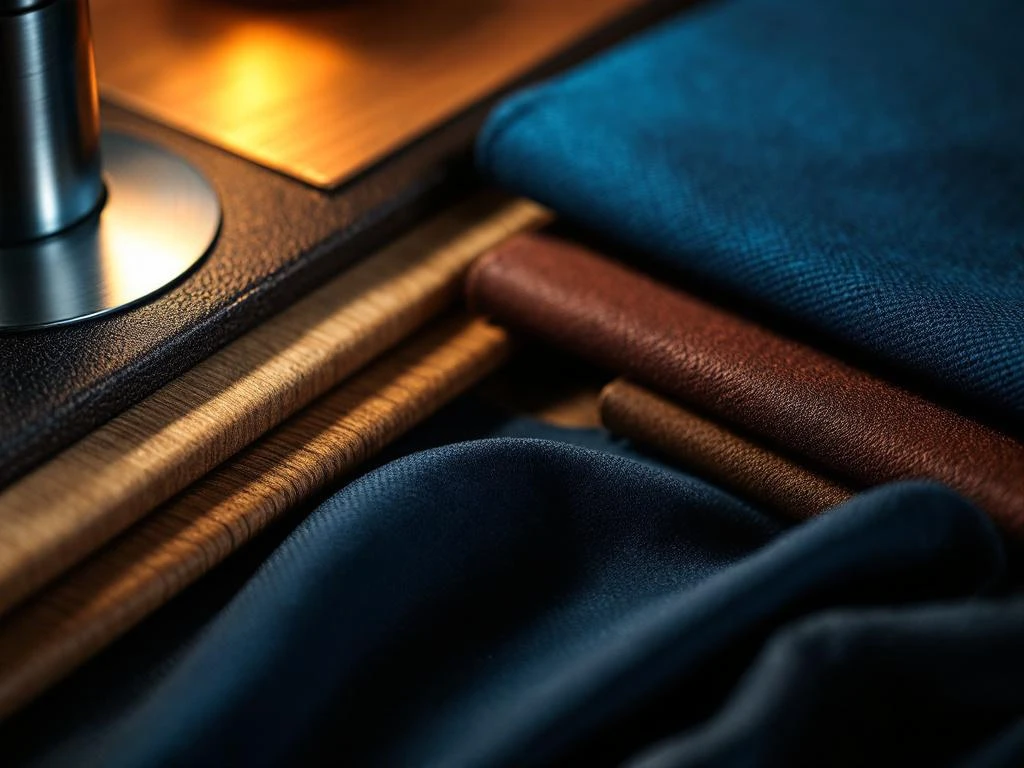
For intensive business use, it is best to choose steel, aluminum, high-quality plastics, and solid wood. These materials offer excellent wear resistance, are easy to maintain, and will last for years in busy office environments. The right choice of materials not only determines the lifespan of your office furniture, but also the comfort and productivity of your employees.
Which materials last the longest in a busy office environment?
Steel and aluminum are the strongest choices for office furniture that is used intensively on a daily basis. These metals are resistant to scratches, dents, and wear and tear. Aluminum has the advantage of being lighter than steel, while both materials will last for decades without any loss of quality.
High-quality plastics such as polypropylene and ABS plastic are also excellent options. They are lighter than metal, but still very durable. These plastics are also colorfast and retain their appearance even after years of use.
Solid wood remains a popular choice for desks and conference tables. Oak, beech, and maple are naturally strong and, with the right treatment, can last for generations. The advantage of wood is that minor damage can often be repaired.
For chair upholstery, choose high-quality fabrics that have been specifically developed for commercial use. These are more wear-resistant than household fabrics and are often treated against stains and discoloration.
How can you recognize quality in office furniture for intensive use?
You can recognize quality by carefully checking joints, finishes, and certifications. Look for welded or screwed joints instead of glued parts. High-quality furniture has sturdy hinges, solid casters, and smooth finishes without sharp edges.
Pay attention to quality features such as the weight of the furniture. Good office furniture feels heavier due to the use of thicker materials and sturdier constructions. Also check that moving parts work smoothly and have no play.
Certifications are important. Look for labels such as GREENGUARD for low emissions or BIFMA certification for office furniture. These prove that the product has been tested for sustainability and safety.
You can recognize poor quality by lightweight constructions, wobbly parts, and cheap finishes. Plastic parts that bend under light pressure or metal parts that already show signs of rust are warning signs.
What are the benefits of ergonomic materials in the workplace?
Ergonomic materials improve employee comfort and health by providing better support and temperature regulation. Breathable fabrics prevent sweating, while supportive foam layers distribute pressure on the body and reduce pain.
Breathable fabrics such as mesh upholstery allow air to circulate around the body. This keeps you cooler and more comfortable, especially during long working days. Memory foam and other supportive foam layers adapt to your body shape and provide targeted support.
Temperature-regulating properties are also important. Some modern fabrics can dissipate heat or retain it, depending on the circumstances. This contributes to a constant, comfortable temperature.
The effect on productivity is measurable. Employees who sit comfortably are less distracted by discomfort and can concentrate better. In addition, ergonomic materials lead to less absenteeism due to work-related complaints.
Which materials are the most maintenance-friendly for offices?
The most maintenance-friendly materials are laminated wood, plastic, and treated leather. These surfaces can be easily cleaned with a damp cloth and mild cleaner. They are stain-resistant and retain their appearance without intensive maintenance.
Laminated surfaces are practically indestructible and stain-resistant. They are easy to clean and do not discolor due to sunlight or daily use. Faux leather and high-quality plastics are ideal for chair upholstery because they repel liquids.
Scratch-resistant surfaces such as tempered glass or special laminates retain their professional appearance even after years of use. These materials often have a protective coating that prevents minor scratches.
Avoid materials that require special treatment, such as untreated wood or light-colored natural fabrics. These require regular maintenance and are susceptible to stains and wear.
How Wout Monseurs assists with project design
We help you choose the right materials for your project design thanks to our many years of experience and knowledge of high-quality brands such as Wini, Interstuhl, and Voortman. Our team understands which materials are best suited to your specific situation and intensity of use.
We start with a thorough analysis of your workplace and usage patterns. We then advise you on the most suitable materials that fit your budget and sustainability goals. From the initial design to the final installation and maintenance, we take care of everything for you.
Our personalized approach means that you always have a dedicated contact person who is familiar with your situation. We ensure that all materials fit together perfectly and that your office interior remains attractive and functional for years to come.
Would you like to know which materials are best suited to your office? Contact us for a no-obligation consultation. We are happy to help you make the right choices for a sustainable and comfortable workplace.
Frequently asked questions
How long does office furniture made from different materials last on average?
Steel and aluminum office furniture lasts 15-25 years with intensive use. High-quality plastics such as polypropylene have a lifespan of 10-15 years. Solid wood desks can last 20-30 years with proper maintenance, while laminated surfaces retain their quality for about 10-15 years.
What are the first signs that office furniture needs to be replaced?
Look out for wobbly structures, worn wheels that no longer turn smoothly, tears in upholstery or laminate, and mechanisms that no longer function properly. Discoloration, permanent stains, or a generally worn appearance are also signs that replacement is needed for a professional workplace.
Can I combine different materials in one office design?
Yes, combining materials is often advisable. For example, use steel frames with wooden tops for desks, or aluminum chair legs with ergonomic mesh upholstery. Make sure that the materials match in terms of color and style and have similar maintenance requirements.
How can I prevent new office furniture from wearing out too quickly?
Invest in quality brands with good warranties, place furniture out of direct sunlight, use coasters for hot items, and train employees in proper use. Regular maintenance such as lubricating mechanisms and cleaning according to manufacturer's recommendations will significantly extend the lifespan.
Are sustainable materials always more expensive to purchase?
High-quality materials often have a higher purchase price, but are often cheaper per year of use due to their longer lifespan. Calculate the Total Cost of Ownership: a steel desk costing €800 that lasts 20 years costs €40 per year, while a cheap alternative costing €300 that lasts 5 years costs €60 per year.
What materials are best for open-plan office designs?
Sound-absorbing materials are essential for open-plan offices. Choose fabrics with acoustic properties and soft plastics that dampen sound, and avoid hard surfaces such as glass or bare metal. Combine different textures to absorb sound while maintaining a professional look.