

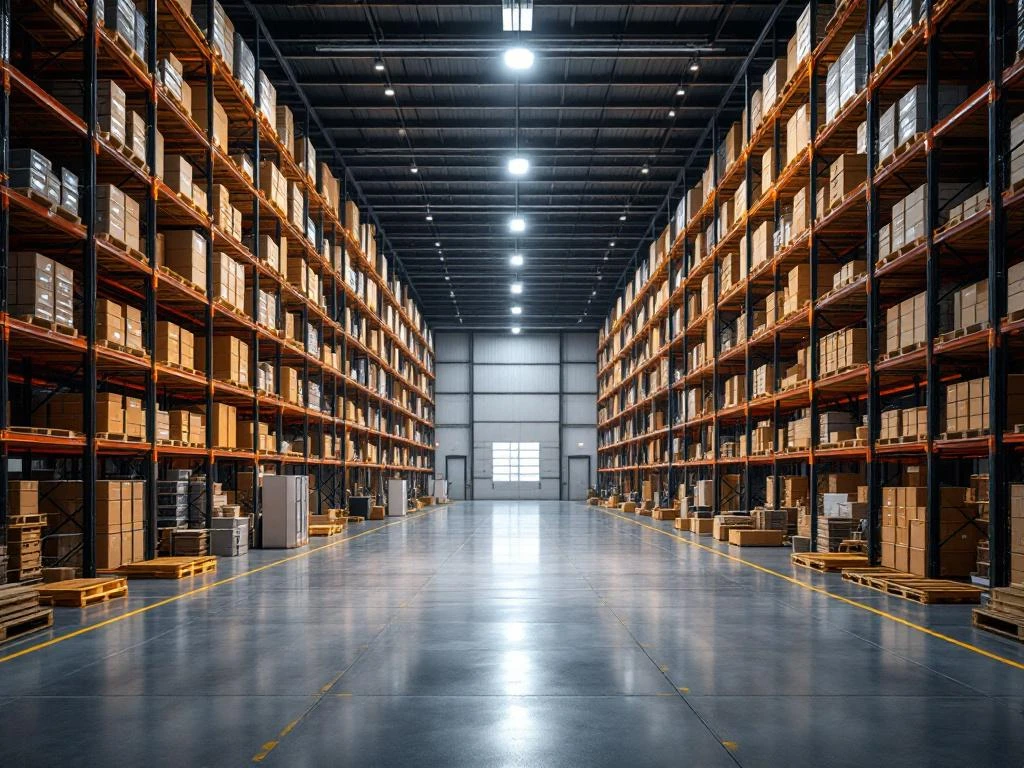
The best solutions for project design in logistics companies combine flexibility with robustness. Logistics environments require workplaces that support 24/7 operations, connect different zones, and scale with changing occupancy. Height-adjustable desks, mobile workstations, and ergonomic chairs for long shifts form the basis, complemented by durable furniture that can withstand intensive use.
What makes project design for logistics companies different?
Logistics companies have unique design requirements that differ from traditional office environments. The 24/7 operations mean that workplaces are used by different shifts, making flexibility and adaptability important.
The diversity of work areas poses a major challenge. You have office spaces for administration, dispatch departments for order processing, and warehouse offices for inventory management. Each area has specific requirements in terms of lighting, noise levels, and workplace design.
Fluctuating occupancy due to seasonal peaks or order volumes requires modular solutions. Workstations must be able to be quickly expanded or adapted without major renovations. This means choosing systems that are easy to move and reconfigure.
The industrial environment also presents practical challenges. Dust, temperature fluctuations, and intensive use require robust materials and easy maintenance.
Which workplace solutions are best suited to logistics processes?
Height-adjustable desks are indispensable in logistics environments, as employees alternate between sitting at computers and standing at packing stations. These flexible workstations support different tasks throughout the day and reduce physical strain.
Mobile workstations on wheels offer maximum flexibility for shipping departments. They can be easily moved to busy areas and adapted to changing workflows. Examples include mobile computer carts and mobile printer stations.
Ergonomic chairs are necessary for long shifts, as many logistics employees sit for hours at a time processing orders or planning. Choose chairs with good lumbar support and breathable materials that can withstand intensive use.
Flexible storage solutions such as modular cabinets and mobile drawer units help organize documents, samples, and office supplies. They can be easily adapted to changing needs.
Standing/sitting tables in communal areas facilitate short meetings and briefings, which are common in logistics environments.
How do you ensure ergonomics in a logistics work environment?
Ergonomics in logistics work environments starts with the right seat height and desk settings for different employees. Because workstations are often shared between shifts, quick-adjust systems are needed that any user can adjust in seconds.
Good lighting is crucial for computer work and reading documents. Combine general lighting with task lighting in workplaces. LED lighting with a dimming function helps with various tasks during day and night shifts.
Monitor arms and document holders reduce neck and shoulder complaints during prolonged screen work. Place monitors at eye level and ensure there is sufficient space to place documents next to the screen.
Footrests and ergonomic mice help prevent RSI complaints. This is particularly important in environments where a lot of data entry takes place.
You can encourage regular changes between sitting and standing by using height-adjustable workstations and standing desks. This improves blood circulation and reduces fatigue during long shifts.
Which office furniture is most sustainable for logistics companies?
Robust desks with steel frames and wear-resistant worktops are the best choice for intensive use. Melamine worktops are scratch-resistant and easy to clean, ideal for industrial environments where dust and dirt are present.
Durable chairs with reinforced mechanisms last longer when used 24/7 by different employees. Choose chairs with replaceable parts such as armrests and casters, so you don't have to replace the entire piece of furniture when it wears out.
Modular storage solutions made of steel or high-quality plastic will last for years and can be adapted to changing needs. Systems that allow you to add or move shelves, drawers, and cabinets offer the best flexibility.
Powder-coated furniture is resistant to scratches and chemical cleaning. This is useful in environments where regular disinfection is required or where dust and dirt are present.
Choose brands that offer spare parts and repair services. This significantly extends the service life and keeps the total costs low.
How Wout Monseurs assists with project design
Wout Monseurs understands the unique challenges faced by logistics companies and offers complete project design that perfectly matches your operations. We start with a thorough analysis of your work processes, shift systems, and future growth plans.
Our team designs flexible workspaces that support 24/7 use and are easily adaptable to seasonal peaks. We select robust furniture from brands such as Interstuhl and Voortman, which can withstand intensive use in industrial environments.
From the 3D design to the complete realization, we take care of everything for you. We ensure the right combination of ergonomics, sustainability, and functionality, which optimally supports your logistics processes.
Would you like to know how we can help your logistics company with professional project design? Contact us for a no-obligation consultation and discover what we can do for you.
Frequently asked questions
How long does it take to complete a full project design for a logistics company?
A complete project design for logistics companies takes an average of 6-12 weeks, depending on the scope and complexity. We start with 2-3 weeks for analysis and design, followed by 2-4 weeks delivery time for the furniture, and 1-2 weeks for installation and setup. For large projects or special custom work, this may take longer.
What are the total costs for setting up a logistics workplace?
The cost of a complete logistics workstation varies between €800 and €2000 per workstation, depending on the specifications chosen. This includes a height-adjustable desk, ergonomic chair, lighting, and storage solutions. Mobile workstations and special shipping equipment may be more expensive due to their additional functionalities.
Can existing furniture be integrated into the new project design?
Yes, we always first assess your existing furniture for quality, functionality, and suitability within the new design. Good quality furniture that will last for years can often be reused. This saves costs and is more sustainable. We advise which items can be kept and which need to be replaced.
How do you maintain robust office furniture in a dusty logistics environment?
Daily dusting with a damp cloth and weekly thorough cleaning with mild cleaning agents is usually sufficient. Choose furniture with smooth surfaces without many seams where dust can accumulate. Regular lubrication of adjustable parts and replacement of casters significantly extends the service life.
What happens if our logistics company suddenly needs to expand its workforce?
Our modular interior design concepts are specifically designed for rapid expansion. Additional workstations can be added within 1-2 weeks without major renovations. We take future growth into account in the original design and advise on flexible zones that can be quickly adapted to changing staffing needs.
Are there any special requirements for workplaces shared by night and day shifts?
Shared workspaces require extra robust adjustable systems that can be operated quickly and intuitively. We opt for height-adjustable desks with memory settings, personal storage options such as lockers, and wear-resistant materials that can withstand intensive use. Good lighting with a dimming function is essential for different shifts.