

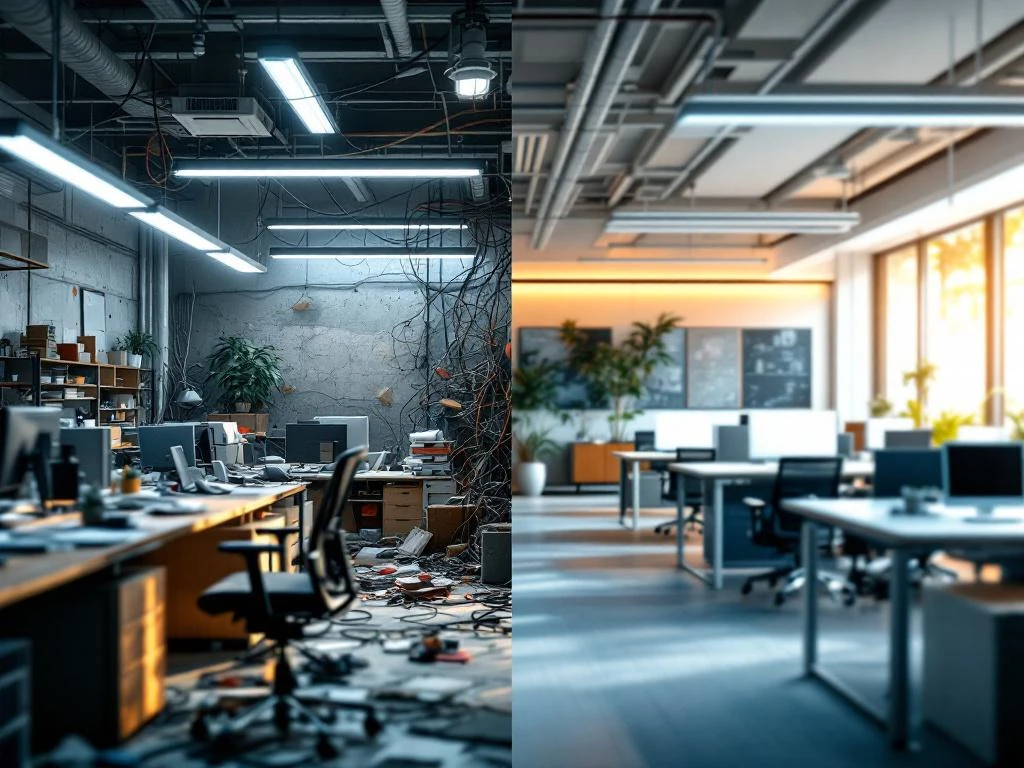
De grootste valkuilen bij projectinrichting van zakelijke ruimtes zijn een slechte planning, onderschatting van budgetten, het negeren van ergonomie en functionaliteit, en communicatiefouten tussen alle betrokkenen. Deze fouten leiden vaak tot overschrijding van tijd en kosten, ontevreden medewerkers en ruimtes die niet goed functioneren. Door deze valkuilen te herkennen en te vermijden, voorkom je kostbare misstappen tijdens je projectinrichting.
Wat zijn de meest gemaakte fouten bij het plannen van projectinrichting?
De grootste planningsfouten bij projectinrichting zijn onderschatting van tijd en ruimtebehoefte, een gebrek aan duidelijke doelstellingen en onvoldoende communicatie tussen stakeholders. Deze fouten zorgen ervoor dat projecten uitlopen, duurder worden en niet aansluiten bij de werkelijke behoeften van gebruikers.
Veel bedrijven beginnen zonder concrete doelstellingen. Ze weten wel dat ze hun kantoor willen vernieuwen, maar hebben geen helder beeld van wat ze precies willen bereiken. Wil je meer samenwerking stimuleren? Heb je meer flexibele werkplekken nodig? Of gaat het om een efficiëntere ruimtebenutting? Zonder duidelijke doelen wordt het lastig om de juiste keuzes te maken.
Een andere veelvoorkomende fout is de onderschatting van de benodigde tijd. Projectinrichting vraagt meer tijd dan je denkt. Van het nemen van beslissingen tot de leveringstijden van meubels: alles duurt langer dan verwacht. Plan daarom altijd extra tijd in voor onvoorziene zaken.
Ook de ruimtebehoefte wordt vaak verkeerd ingeschat. Bedrijven kijken naar hun huidige situatie, maar vergeten rekening te houden met toekomstige groei of veranderende werkwijzen. Het resultaat? Een kantoor dat al snel te klein wordt of juist veel te ruim is.
Waarom gaat de budgettering bij kantoorinrichting zo vaak mis?
Budgettering gaat mis door verborgen kosten, onderschatting van aanvullende werkzaamheden en het niet meenemen van toekomstige uitbreidingen. Veel bedrijven focussen alleen op de meubels en vergeten kosten voor installatie, aanpassingen aan het gebouw en onvoorziene werkzaamheden.
Verborgen kosten zijn de grootste boosdoener. Je denkt aan bureaus en stoelen, maar vergeet de kosten voor bekabeling, verlichting, vloerbedekking of systeemwanden. Ook transport en montage kosten geld. Deze extra kosten kunnen al snel oplopen tot 20 à 30% van je oorspronkelijke budget.
Daarnaast onderschatten bedrijven vaak de aanvullende werkzaamheden. Soms moet je wanden verplaatsen, extra stopcontacten laten aanleggen of de verwarming aanpassen. Deze werkzaamheden komen pas aan het licht tijdens het project, maar kunnen je budget flink doen oplopen.
Een praktische tip: reserveer altijd 15 à 20% van je budget als buffer voor onvoorziene kosten. Denk ook na over toekomstige uitbreidingen. Het is verstandig om nu al rekening te houden met groei, zodat je later niet opnieuw hoeft te investeren in een complete herinrichting.
Hoe voorkom je dat ergonomie en functionaliteit over het hoofd worden gezien?
Ergonomie en functionaliteit worden over het hoofd gezien door te veel focus op uiterlijk, het negeren van werkstromen en onvoldoende aandacht voor verschillende werkstijlen. Dit resulteert in mooie kantoren waar mensen niet prettig kunnen werken, wat de productiviteit en het welzijn van medewerkers schaadt.
Veel bedrijven kiezen meubels vooral op basis van hoe ze eruitzien. Een mooie designstoel in de showroom kan er fantastisch uitzien, maar als je er acht uur per dag op moet zitten zonder goede rugsteun, wordt het een probleem. Ergonomische meubels zijn een investering in de gezondheid en productiviteit van je team.
Een andere fout is het negeren van werkstromen. Hoe bewegen mensen zich door het kantoor? Waar hebben ze vaak overleg? Welke afdelingen werken veel samen? Door hier geen rekening mee te houden, creëer je onhandige situaties waarbij mensen constant door het hele kantoor moeten lopen voor simpele taken.
Denk ook aan verschillende werkstijlen. Sommige mensen hebben veel concentratie nodig en werken het beste in een rustige hoek. Anderen zijn juist creatiever in een levendige omgeving. Zorg voor verschillende zones in je kantoor: stille werkplekken, samenwerkingsruimtes en informele ontmoetingsplekken.
Test meubels altijd voordat je grote aantallen bestelt. Veel leveranciers bieden de mogelijkheid om proefexemplaren te plaatsen, zodat je medewerkers kunnen ervaren hoe het in de praktijk werkt.
Welke communicatiefouten leiden tot problemen tijdens projectinrichting?
Communicatiefouten ontstaan door miscommunicatie tussen opdrachtgever, inrichter en gebruikers, onduidelijke verwachtingen en onvoldoende betrokkenheid van eindgebruikers. Deze fouten leiden tot teleurstelling, extra kosten en een eindresultaat dat niet aansluit bij de werkelijke behoeften.
Het grootste probleem is vaak dat verschillende partijen andere verwachtingen hebben. De directie wil een representatief kantoor, de facilitair manager kijkt naar kosten en onderhoudsgemak, en de medewerkers willen vooral comfortabel kunnen werken. Zonder goede afstemming ontstaan er conflicten tijdens het project.
Onvoldoende betrokkenheid van eindgebruikers is een veelvoorkomende fout. Beslissingen worden genomen door het management of een kleine projectgroep, zonder input van de mensen die er dagelijks moeten werken. Het gevolg: een kantoor dat mooi is bedacht, maar niet praktisch werkt voor de gebruikers.
Gebrek aan tussentijdse evaluaties zorgt er ook voor dat problemen pas laat worden ontdekt. Plan daarom regelmatige overlegmomenten in, waarbij je de voortgang bespreekt en bijstuurt waar nodig. Zo voorkom je dat kleine problemen uitgroeien tot grote teleurstellingen.
Zorg voor heldere communicatie over wie waarover beslist. Maak afspraken over de besluitvorming en houd je daaraan. Te veel koks bederven de brij, maar te weinig input leidt tot een kantoor waar niemand blij mee is.
Hoe Wout Monseurs helpt valkuilen bij projectinrichting te vermijden
Wij helpen je deze valkuilen te vermijden door onze persoonlijke aanpak en meer dan 60 jaar ervaring in projectinrichting. Ons proces begint altijd met een grondige analyse van je wensen, werkwijzen en toekomstplannen. We betrekken alle stakeholders vanaf het begin en zorgen voor heldere communicatie tijdens het hele traject.
Door onze ervaring herkennen we potentiële problemen al in een vroeg stadium. We maken realistische planningen met voldoende buffer voor onvoorziene zaken en geven transparante budgetadviezen waarin alle kosten zijn meegenomen. Ergonomie staat bij ons altijd voorop: we werken alleen met hoogwaardige merken als Interstuhl, Voortman en Gispen, die comfort en duurzaamheid combineren.
Ons vaste stappenplan zorgt ervoor dat niets over het hoofd wordt gezien. Van ruimtestudie tot 3D-ontwerp en complete logistiek: je hebt één aanspreekpunt voor het hele project. Zo vermijd je miscommunicatie en weet je altijd waar je aan toe bent.
Wil je weten hoe wij jouw projectinrichting succesvol kunnen realiseren zonder valkuilen? Neem contact met ons op voor een vrijblijvend gesprek over jouw kantoorplannen.
Veelgestelde vragen
Hoe lang duurt een gemiddeld projectinrichting traject van start tot finish?
Een gemiddeld projectinrichting traject duurt tussen de 12-20 weken, afhankelijk van de complexiteit en grootte van het project. Dit omvat de analysefase (2-3 weken), ontwerpfase (3-4 weken), bestelling en productie (6-10 weken), en installatie (1-2 weken). Plan altijd extra tijd in voor goedkeuringsprocedures en onvoorziene vertragingen.
Wat moet ik doen als mijn budget tijdens het project dreigt te worden overschreden?
Stop direct met alle nieuwe uitgaven en maak een overzicht van alle resterende kosten. Bespreek met je inrichter welke onderdelen uitgesteld of aangepast kunnen worden zonder de functionaliteit te schaden. Overweeg een gefaseerde aanpak waarbij je eerst de essentiële elementen realiseert en later uitbreidt. Transparante communicatie met alle betrokkenen is hierbij cruciaal.
Hoe kan ik medewerkers het beste betrekken bij de keuzes zonder dat het proces vastloopt?
Vorm een representatieve werkgroep van 5-7 medewerkers uit verschillende afdelingen en geef hen duidelijke keuzemogelijkheden in plaats van open vragen. Organiseer korte feedback sessies met concrete voorstellen en gebruik stemrondes voor belangrijke beslissingen. Zet een deadline voor input en communiceer dat niet alle individuele wensen kunnen worden ingewilligd, maar dat het algemene belang voorop staat.
Welke meubels kan ik het beste eerst vervangen als ik een beperkt budget heb?
Begin met bureaustoelen omdat deze de grootste impact hebben op comfort en gezondheid van medewerkers. Vervang daarna oude bureaus die niet hoogte-verstelbaar zijn. Vergaderstoelen en lounge meubels kunnen vaak langer mee, tenzij ze echt versleten zijn. Investeer eerst in ergonomische werkplekken voordat je kiest voor representatieve meubels in de ontvangstruimte.
Hoe test ik of nieuwe kantoormeubilair echt geschikt is voor mijn team?
Vraag leveranciers om proefexemplaren voor minimaal 2 weken en laat verschillende medewerkers deze testen in hun dagelijkse werk. Organiseer na een week een korte evaluatie en verzamel feedback over comfort, functionaliteit en eventuele klachten. Let vooral op reacties van medewerkers met rugklachten of andere fysieke beperkingen, zij geven vaak de beste indicatie van ergonomische kwaliteit.
Wat zijn de belangrijkste contractafspraken die ik moet maken met een projectinrichter?
Leg vast: vaste totaalprijs inclusief alle kosten, duidelijke planning met mijlpalen, garantievoorwaarden op meubels en installatie, en wie verantwoordelijk is voor schade tijdens transport/montage. Maak afspraken over wijzigingen tijdens het project en zorg voor een duidelijke procedure bij vertragingen. Vraag om referenties van vergelijkbare projecten en laat deze controleren voordat je tekent.