

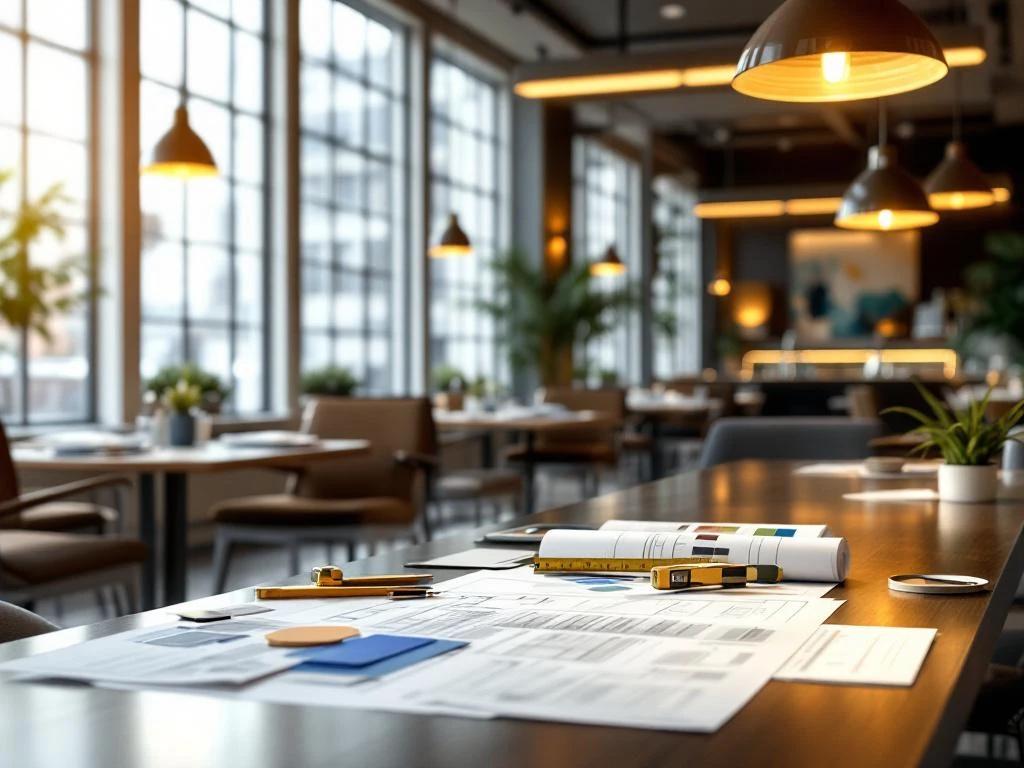
Designing a successful company restaurant requires a well-thought-out approach that combines functionality and comfort. You need to consider suitable furniture, optimal space layout, the desired atmosphere, and practical considerations such as hygiene and safety. The right project design ensures that your restaurant not only looks good, but also functions efficiently for daily use by employees.
What furniture is most suitable for a company cafeteria?
For company restaurants, sturdy tables and ergonomic chairs form the basis of your furniture. Choose tables with durable tops that are easy to clean, such as laminated or HPL surfaces. Chairs should be comfortable for long periods of sitting and able to withstand intensive use.
Modular table systems offer flexibility for different group sizes. You can quickly rearrange them for meetings or larger lunches. Stackable chairs are practical for storage and cleaning. Don't forget to provide sufficient storage options, such as buffet cabinets for crockery and trolleys for efficient serving.
Materials such as steel, aluminum, and high-quality plastics last longer than wood in an intensive environment. They are also easier to keep clean in accordance with hygiene requirements. Invest in quality: good furniture will last for years and save you money in the long run.
How do you plan the optimal layout for a company restaurant?
A good layout starts with clear walking routes and sufficient space to move around. Allow at least 80 centimeters between tables for comfortable passage. Create different zones: a quiet corner for conversations, large tables for team lunches, and a quick eating area for short breaks.
Strategically place popular amenities such as coffee machines and buffets to prevent congestion. The kitchen exit must be easily accessible without servers having to walk through busy dining areas. Also consider accessibility for wheelchair users with sufficiently wide paths.
Consider natural light when placing seating areas. People like to eat by the window, but avoid direct sunlight that causes glare. A flexible layout with mobile furniture helps to adapt to different events or crowds.
What atmosphere do you want to create in your company restaurant?
The ideal atmosphere combines a professional look with a warm, relaxed vibe. Choose colors that energize but don't distract—think warm neutral tones with pops of color. Good lighting is important: avoid overly bright lights that cause stress, but make sure there is enough brightness to eat comfortably.
Materials play a major role in the experience. Natural elements such as wood and plants make the space more lively. Acoustics are also important: use sound-absorbing materials to keep noise levels manageable during busy times.
Add personal touches that match your corporate culture. These could be works of art, company photos, or a color scheme that matches your corporate identity. This will make employees feel more connected to the space and give your restaurant a unique identity.
What are important practical considerations when designing a company restaurant?
Hygiene is paramount in any dining area. Choose materials that are easy to clean and can withstand regular disinfection. Floors should be non-slip to prevent slipping, but smooth enough for efficient cleaning. PVC or special tile floors are often the best choice.
Safety regulations require sufficient emergency exits and clear escape routes. Electrical installations must comply with hospitality industry requirements, especially in humid environments. Ventilation is important for removing odors and moisture—plan for this from the outset.
Flexibility in your design helps with future changes. Modular systems and mobile elements make it possible to adapt the space to growing teams or new needs. Also consider ease of maintenance: everything must be easily accessible for cleaning and repairs.
How Wout Monseurs assists with project design
We guide you through the entire process of designing company restaurants. From the initial design to the final delivery, we ensure a result that perfectly matches your wishes and practical requirements. Our experience with catering establishments helps you make the right choices in terms of furniture, materials, and layout.
We work with high-quality suppliers who provide products that are specially suited for intensive use. Our team contributes ideas about ergonomics, sustainability, and ease of maintenance. This ensures you get a restaurant that is not only beautiful, but also functions smoothly for years to come.
Would you like to know how we can transform your company restaurant into a place where employees enjoy spending time? Contact us for a no-obligation discussion about the possibilities.
Frequently asked questions
How do you determine the right number of seats for a company restaurant?
On average, you can expect 60-70% of your total workforce to use the restaurant at the same time during peak hours. Also take into account different lunch times and potential guests. A rule of thumb is 1.5-2 m² per person, including walkways and service areas.
What are the biggest mistakes companies make when designing their restaurants?
The most common mistakes are insufficient space between tables, poor acoustics resulting in excessive noise, and choosing furniture that looks attractive but is not practical for intensive daily use. Ventilation is also often underestimated, leading to unpleasant odors and moisture.
How long does it take on average to completely furnish a company restaurant?
A complete project design usually takes 6-12 weeks, depending on its size and complexity. This includes design, ordering, production, and assembly. Always allow extra time for unforeseen circumstances and start planning early to avoid delivery delays.
What budget should you set aside for furnishing a company restaurant?
On average, you can expect to pay €150-400 per seat for a complete interior, depending on the quality level and specifications. This includes furniture, lighting, decoration, and installation. It is better to invest in durable quality than cheap solutions that will need to be replaced quickly.
How do you ensure good acoustics in a busy company restaurant?
Use sound-absorbing materials such as acoustic panels on walls and ceilings, choose soft upholstery where possible, and place plants as natural sound absorbers. Avoid hard surfaces such as bare concrete floors and glass walls that reflect sound.
Can you renovate an existing company restaurant in phases without closing it completely?
Yes, a phased renovation is often possible by tackling the restaurant in sections. For example, start with one section during quiet periods or weekends. This does require careful planning to minimize disruption and ensure safety during the work.