

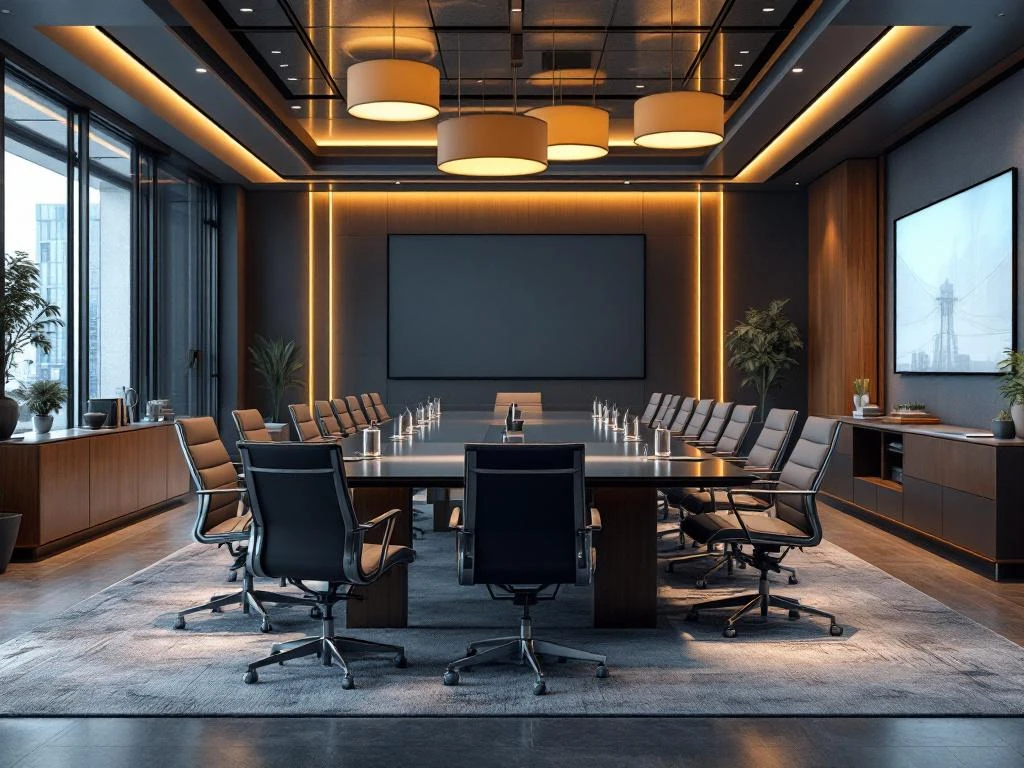
Smart solutions for project design of meeting and brainstorming rooms combine flexible furniture, a multifunctional layout, and modern technology. You need modular tables and ergonomic chairs that support different meeting formats, combined with good lighting, acoustics, and presentation options. Inspiring elements such as whiteboards, color accents, and flexible wall systems stimulate creativity during brainstorming sessions.
What furniture makes meeting and brainstorming rooms truly effective?
The right choice of furniture largely determines how well your meeting and brainstorming rooms function. Flexible tables that can be quickly rearranged form the basis of any effective meeting room. Choose modular systems that can be combined to form large conference tables or divided into smaller workgroups.
Ergonomic chairs are just as important as tables. During long meetings or brainstorming sessions, everyone should be able to sit comfortably. Look for chairs with good back support and armrests that can be adjusted to different body heights. Stackable models save space when you want to change the layout.
Modular seating solutions give you even more flexibility. Think of sofas and poufs that you can move around for informal brainstorming sessions. These create a relaxed atmosphere that often leads to better ideas than a formal conference table.
Storage options are also part of effective project design. Cabinets and drawers in which you can store presentation materials, whiteboard markers, and other supplies keep the space tidy and professional.
How do you create a space that supports both formal meetings and creative brainstorming sessions?
A multifunctional meeting room requires a flexible layout that can be quickly adapted to different types of meetings. Start with a neutral base that you can transform. Casters under tables and light furniture make it easy to change the setup from boardroom style to informal working groups.
Lighting plays a major role in the atmosphere of your space. Dimmable LED lighting allows you to adjust the brightness to suit the situation. Bright light works well for formal presentations, while softer lighting creates a relaxed brainstorming atmosphere. Also ensure there is sufficient natural light where possible.
Acoustics determine whether people can hear each other clearly and concentrate. Acoustic panels on walls or ceilings reduce echo and background noise. This is particularly important in rooms with hard surfaces such as glass and concrete.
The use of color influences the mood of meetings. Neutral colors such as gray and white work well for formal meetings, while accents of blue or green can stimulate creativity. You can combine these by having a neutral base with colorful accessories that you can add for brainstorming sessions.
What technical facilities are important for modern meeting rooms?
Modern meeting rooms require reliable presentation options that are easy for everyone to use. A large screen or projector with wireless connectivity allows participants to quickly connect their laptop or tablet. Provide multiple connections so you don't have to wait for adapters.
Sound systems are often overlooked, but they are important for larger spaces. Microphones and speakers ensure that everyone can hear each other clearly, especially during hybrid meetings where some participants are online. A simple sound system prevents people from having to raise their voices.
A wireless internet connection must be strong enough for all participants at the same time. Video conferences, cloud applications, and online presentations require a lot of bandwidth. Test your Wi-Fi regularly and ensure you have a wired backup for important presentations.
Video conferencing equipment is indispensable these days. A good camera and microphone make the difference between frustrating and productive online meetings. Position the camera at eye level and ensure that the sound is clear for external participants.
Power supplies must be sufficient for all devices. Sockets in the table or floor prevent cables from running across the room. USB connections make it easy to charge devices during long meetings.
What are the best ways to stimulate creativity in brainstorming rooms?
Stimulating creativity starts with inspiring colors that energize without distracting. Warm colors such as orange and yellow can promote creativity, but use them as accents rather than main colors. Too many bright colors can be counterproductive and make it difficult to concentrate.
Flexible wall systems give you space to visualize ideas. Magnetic walls, bulletin boards, and movable screens allow teams to organize and share their thoughts. You can also use these walls to display inspiring images or company goals.
Whiteboards and flipcharts are still indispensable for brainstorming sessions. Large whiteboards on multiple walls give everyone space to write. Make sure you have good markers in different colors and erasable surfaces that don't leave stains.
Different seating options help people think in new ways. Standing tables, beanbags, and bar stools break up the formal atmosphere and encourage movement. Movement stimulates the brain and can lead to better ideas.
Natural elements such as plants or natural light create a pleasant environment. Research shows that greenery in the workplace reduces stress and promotes creativity. Choose low-maintenance plants that require little light.
How Wout Monseurs assists with project design
We understand that every meeting and brainstorming room must be unique, tailored to your team and work processes. Our project design always starts with a thorough analysis of how you work and what spaces you need. We create a detailed 3D design so you can see exactly what the new layout will look like.
We work with high-quality brands such as Interstuhl and Voortman, which offer flexible, ergonomic solutions. From modular conference tables to acoustic wall panels: we provide a complete interior design that is both functional and inspiring. Sustainability is central to our choices.
Our team takes care of everything, from design to installation, so you can focus on your work. You will be assigned a single point of contact who will guide you through the entire process, and we will ensure that the schedule causes minimal disruption to your daily activities.
Would you like to know how we can transform your meeting and brainstorming rooms into inspiring workspaces? Contact us for a no-obligation consultation about the possibilities.
Frequently asked questions
What is the average cost of setting up a professional meeting room?
The costs vary greatly depending on the size and desired quality, but you can expect to pay between €5,000 and €15,000 for a complete meeting room for 8-12 people. This includes modular furniture, presentation technology, lighting, and acoustic facilities. More luxurious versions with high-end technology can cost up to €25,000 or more.
How often should I change the layout of my meeting room for optimal effectiveness?
Change the basic layout approximately every 3-6 months to break worn-out habits and stimulate fresh perspectives. For individual meetings, you can adjust the layout per session—use a U-shape for discussions, a boardroom layout for formal presentations, and clusters of small tables for brainstorming sessions.
What common mistakes should I avoid when designing a brainstorming room?
Avoid excessive stimuli such as bright colors or busy patterns, poor acoustics that disrupt concentration, and insufficient writing surfaces. An overly formal setup also inhibits creativity. Ensure sufficient space to move around, good ventilation, and avoid chairs that are too comfortable—this can lead to passivity rather than active participation.
How can I test whether my meeting room is functioning properly before giving an important presentation?
Perform a quick technical check every week: test the Wi-Fi speed with multiple devices, check all screen connections, test microphones and speakers, and make sure all software is up to date. Create a checklist with backup options such as mobile hotspots, extra adapters, and a spare laptop for emergencies.
What is the ideal temperature and humidity for productive meetings?
Maintain a temperature between 20-22°C for optimal concentration—too warm makes people sleepy, too cold is distracting. Humidity should be between 40-60%. Ensure good ventilation or air conditioning, especially in smaller spaces where CO2 levels can rise quickly and affect brain function.
How can I upgrade my existing meeting room to a multifunctional space in a budget-friendly way?
Start with small adjustments: add casters to existing tables, invest in stackable chairs, hang whiteboards, and improve lighting with dimmable LED bulbs. You can make your own acoustic panels using fabric and insulation material. Adding color accents with cushions, plants, or wall stickers costs little but has a big impact.