

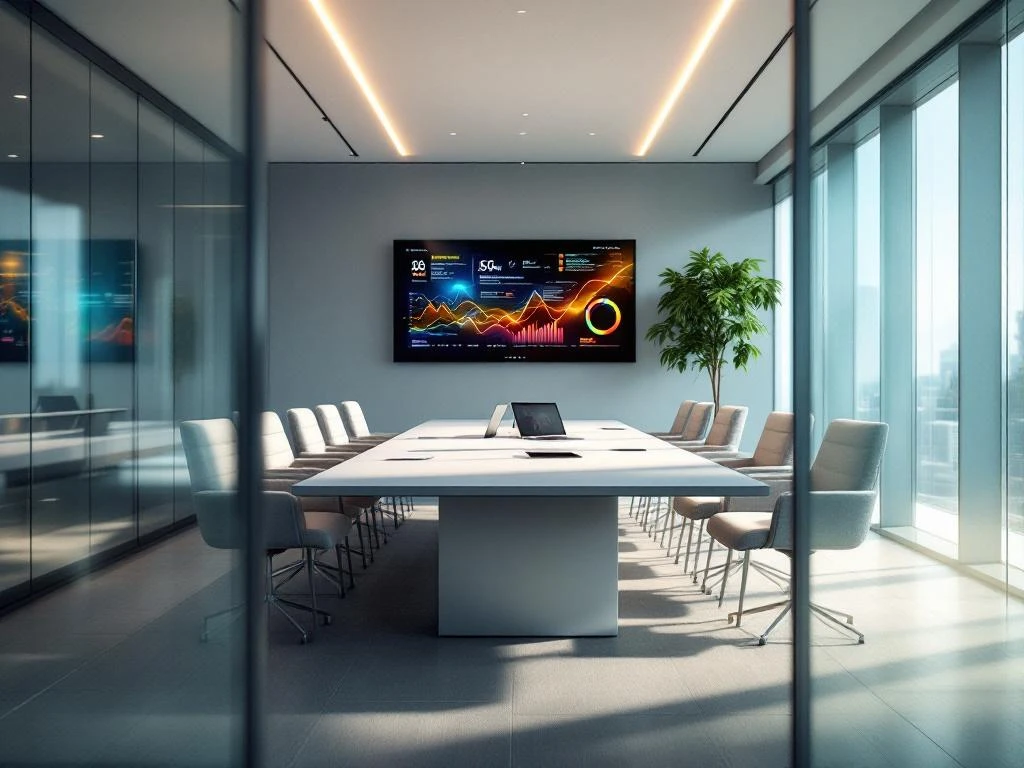
Smart office meeting rooms are intelligent meeting spaces equipped with automated technologies such as IoT sensors, climate control, and integrated communication tools. These spaces automatically adapt to user needs, optimizing comfort and increasing productivity. The technology includes automatic booking systems, smart lighting, and wireless presentation capabilities that together create a seamless meeting experience.
What exactly are smart office meeting rooms?
Smart office meeting rooms are intelligent meeting spaces that use advanced technologies to optimize the meeting experience. These spaces combine IoT sensors, automated systems, and integrated communication tools to create a seamless and efficient working environment.
The key features of smart office meeting rooms include automatic presence detection, climate control that adjusts to the number of people present, and smart lighting systems that respond to natural light. These technologies work together to maximize comfort without manual intervention.
Integrated communication tools enable seamless switching between physical and virtual participants. Video conferencing systems, wireless presentation capabilities, and automatic sound systems ensure that all participants can participate optimally, regardless of their location.
What technologies make a meeting room smart?
The key technologies that make meeting rooms smart are automatic booking systems, smart climate control, adaptive lighting, and integrated audiovisual systems. These smart office technologies communicate with each other to create an optimal meeting environment that adapts to the specific needs of each meeting.
Automatic booking systems use sensors to detect availability and allocate rooms efficiently. These systems can also identify no-show meetings and automatically release the room for other users.
Smart climate and lighting systems adapt based on:
- The number of people present in the room
- The time of day and natural light
- The type of meeting and the desired atmosphere
- The organization's energy-saving preferences
Wireless presentation technology and integrated video conferencing systems make it possible to share content directly from any device and collaborate seamlessly with external participants.
Why do companies choose smart meeting rooms?
Companies choose smart office meeting rooms because of increased productivity, cost savings, and better use of space. These intelligent systems eliminate technical problems that can disrupt meetings and provide data-driven insights for optimal facility management.
The benefits are evident in various aspects of business operations. Automation reduces the time employees spend setting up technical equipment, allowing meetings to start on time and leaving more time for productive discussions.
Cost savings are achieved through more efficient energy consumption, with systems only active when rooms are actually in use. Smart office technology can significantly reduce energy costs through intelligent climate and lighting control.
Data-driven insights help facility managers optimize space utilization, identify underutilized meeting rooms, and make informed decisions about future office design.
How does automation work in modern meeting rooms?
Automation in modern meeting rooms works through intelligent sensors that detect presence and activate systems as soon as users enter the room. Climate control, lighting, and technical facilities adjust automatically, without manual operation, ensuring a seamless user experience.
The process begins with room reservation via digital systems that show real-time availability. When users enter the meeting room, motion sensors detect their presence and automatically activate the necessary systems.
Climate control adjusts based on the number of people present and external weather conditions. Lighting systems respond to natural light and automatically adjust intensity for optimal comfort and energy savings.
Audiovisual systems start up automatically and connect to booked devices. Presentation screens activate themselves and video conferencing systems automatically test connections before the meeting begins, minimizing technical interruptions.
What are the costs of implementing smart office technology?
The cost of implementing smart office technology varies from €5,000 to €25,000 per meeting room, depending on the desired functionalities and the size of the room. Factors that influence the price include the complexity of the integrated systems, the existing infrastructure, and the desired level of automation.
Basic implementations with smart lighting and climate control fall into the lower price segment, while complete systems with advanced AI features and full integration require more investment. Existing infrastructure can significantly influence installation time and costs.
Considerations regarding return on investment include energy savings, increased productivity, and improved space utilization. Many companies see a payback period of two to four years due to lower operating costs and more efficient work processes.
Maintenance and software updates are ongoing costs that must be factored into the total investment. However, these costs are often lower than with traditional systems, thanks to the self-diagnostic capabilities of smart office technology.
How we help with smart office meeting rooms
We support companies in designing and implementing intelligent meeting rooms through a comprehensive approach from analysis to maintenance. Our experienced team combines more than sixty years of experience with the latest smart office technologies to create customized solutions that perfectly match your business needs.
Our services include:
- Comprehensive analysis of your current meeting rooms and needs
- Design of integrated smart office systems
- Professional installation and configuration of all technologies
- Continuous support and maintenance for optimal performance
We work with leading brands and ensure seamless integration with existing systems, such as Microsoft Teams and Google Meet. Our focus on ergonomics and sustainability means that your smart office meeting rooms are not only technologically advanced, but also contribute to employee well-being and environmental goals.
Contact us for a no-obligation analysis of your meeting rooms and discover how smart office technology can help your company create more efficient and productive working environments.
Frequently asked questions
How long does it take to implement a smart office meeting room?
Implementation takes an average of 2-6 weeks, depending on the complexity and number of rooms. Simple upgrades can be completed within a few days, while complete transformations with extensive integration require more time. We plan the installation in such a way that disruption to your daily activities is kept to a minimum.
Can smart office systems be integrated with our existing IT infrastructure?
Yes, modern smart office technologies are designed for seamless integration with existing systems such as Active Directory, Microsoft 365, and popular video conferencing platforms. Our specialists perform a compatibility analysis in advance and ensure a smooth transition without disrupting existing workflows.
What happens if the internet connection goes down during a meeting?
Smart office systems have built-in backup functionalities and can continue to operate locally in the event of an internet outage. Basic functions such as lighting, climate control, and local presentations remain available. Video conferencing automatically resumes as soon as the connection is restored, with minimal disruption to the meeting.
How secure are smart office systems against cybersecurity threats?
Smart office systems use enterprise-grade security protocols, including end-to-end encryption, regular security updates, and network isolation. We implement multi-factor authentication and ensure compliance with GDPR regulations. All data is processed locally wherever possible to minimize privacy risks.
Can employees adjust settings themselves in the smart meeting rooms?
Yes, users can set personal preferences for lighting, temperature, and audiovisual settings via intuitive touchscreen interfaces or smartphone apps. The system remembers these preferences and automatically applies them to future reservations made by the same user, while administrators can set global limits.
What maintenance is required for smart office technology and how often?
Smart office systems require minimal maintenance thanks to self-diagnostic functions and automatic updates. We recommend biannual preventive checks and offer 24/7 remote monitoring. Software updates are performed automatically outside office hours, and defective sensors or components are proactively identified before they cause problems.
Can we implement smart office technology in phases?
Absolutely, phased implementation is often the most practical approach. We can start with priority meeting rooms or specific functionalities such as automatic booking systems, and then expand to full automation. This spreads the investment and allows your team to gradually get used to the new technology.