

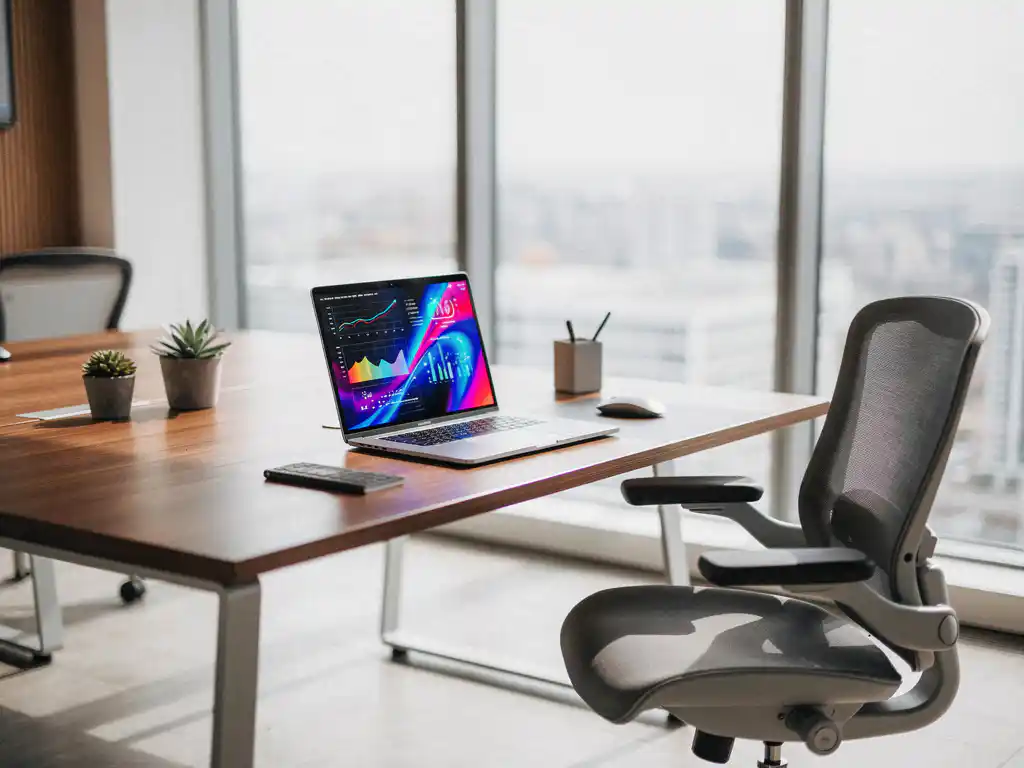
In today’s hybrid work environment, desk booking systems are becoming increasingly important for organizations looking to optimize flexible workspaces. These systems not only allow users to reserve workspaces, but also generate valuable data that provides insights into workspace usage and space optimization.
However, the power of an office desk booking system lies not only in its booking functionality, but above all in the analytics it can provide. This data helps organizations make informed decisions about their workspace layout and facility costs.
What are desk booking analyses, and why are they important?
Desk booking analyses are detailed reports that provide insight into how workspaces are used within an organization, which areas are popular, and when peak times occur. These analyses collect data on booking patterns, no-shows, workspace occupancy, and user behavior.
These analyses are crucial because they help organizations use their office space more efficiently. By understanding which workstations are used most frequently and when, companies can optimize their facility costs and improve the workplace experience for employees. Furthermore, these insights inform decisions regarding future office design and space planning.
For organizations transitioning to flexible work arrangements, desk booking analytics provide concrete data to monitor the transition and make adjustments as needed.
What analytical features do the best desk booking systems offer?
The best desk booking systems offer real-time dashboards, occupancy reports, user analytics, no-show tracking, and predictive analytics for future workspace demand. These features provide a comprehensive overview of workspace usage and trends.
Advanced systems integrate sensor technology to measure actual occupancy, not just reservations. This distinction is important because the difference between reserved and actually used workstations is often significant.
Modern analytical functions include:
- Heat maps that visualize popular areas and times
- Automated reports on workplace efficiency
- Integration with climate control and lighting for energy savings
- User preferences and patterns by department
- Capacity planning based on historical data
The most valuable systems also offer benchmarking capabilities, allowing organizations to compare their workplace usage with industry standards.
How do you choose the right desktop booking system for your analyses?
To choose the right desk booking system, start by defining your reporting needs, then compare systems based on their reporting capabilities, ease of use, and integration options with your existing office infrastructure. It’s important that the system can scale with your organization.
Start by identifying which data is most valuable to your organization. Are you primarily interested in occupancy rates, or are user patterns more important? Different systems excel in different areas of analysis.
Consider these factors when making your choice:
- Scalability for future growth
- Integration with existing HR and facilities management systems
- Mobile Accessibility for Employees
- Customization of reports to meet your specific needs
- Support for various types of workspaces
Test different systems with a pilot before making a final decision. The user experience for employees is just as important as the analytical capabilities for management.
What kind of data can you expect from modern desk booking analyses?
Modern desk booking analytics provide occupancy rates, peak times, no-show statistics, user preferences, space efficiency metrics, and forecasts for future workspace needs. This data is often presented in real time via easy-to-read dashboards.
The most valuable data insights include detailed patterns regarding when and where people work. This helps optimize cleaning schedules, climate control, and security patrols.
Specific dates you can expect:
- Daily, weekly, and monthly occupancy trends
- Average reservation duration per workstation
- Most Popular Workplace Choices and the Reasons Behind Them
- Department-specific usage patterns
- Energy consumption linked to workplace occupancy
- Cost analysis per workstation and per employee
Advanced systems also offer predictive analytics, in which artificial intelligence forecasts future workplace needs based on historical data and external factors such as seasonal trends and business growth.
How Wout Monseurs Helps with Smart Office Technology
We offer comprehensive Smart Office solutions that integrate desk booking systems with intelligent workplace design. Our approach combines over 60 years of experience in office design with modern technology to provide optimal workplace analytics.
Our Smart Office technology includes:
- Smart booking systems for workspaces and meeting rooms
- Automatic desktop customization based on personal preferences
- Integrated sensor technology for accurate occupancy measurements
- Real-time insight into facility costs and space utilization
- Integration with climate control and lighting for energy savings
As a full-service project design firm, we ensure that desk booking technology integrates seamlessly with your office design. From design to implementation and maintenance, we handle everything under one roof. Contact us for a personalized consultation on the options available for your organization.
Frequently asked questions
How long does it take to gain valuable insights from desk-based research?
To identify reliable trends and patterns, you need at least 4–6 weeks of data. After 3 months, you’ll have a complete picture of user behavior and seasonal patterns. For accurate forecasts and benchmarking, 6–12 months of historical data is ideal.
What are the most common mistakes made when interpreting desk booking data?
The biggest mistake is looking only at reservations without measuring actual occupancy. Organizations often overestimate their space requirements because they don’t take no-shows and short-term workspace usage into account. Always focus on actual occupancy data in combination with reservation figures.
How do you address privacy concerns when collecting workplace data?
Be transparent about what data you collect and why. Use anonymized data for analysis and ensure that individual employees cannot be identified. Implement clear privacy guidelines and give employees control over their own data settings.
What kind of ROI can you expect from a desk booking system with analytics?
Most organizations see a return on investment (ROI) of 150–300% within the first year due to space savings and lower facility costs. Typical savings include 20–40% on office space, 15–25% on energy costs, and significant time savings for facility management.
How do you integrate desk booking data with other business systems?
Modern systems offer API integrations with HR systems, facility management tools, and financial software. Start with the most important integrations, such as HR systems for automated user management and energy management systems for cost allocation.
What do you do if employees aren't using the desk booking system?
Provide comprehensive training and clearly communicate the benefits. Implement gamification elements and make the system as user-friendly as possible. Consider a phased rollout by department and appoint change champions who can assist their colleagues.
How can you predict future workplace needs using desk booking analytics?
Use historical occupancy data, the organization’s growth plans, and seasonal patterns. Modern AI systems can factor in external factors such as economic trends and hybrid work policies. Always plan for an additional 10–15% capacity to allow for flexibility and growth.