

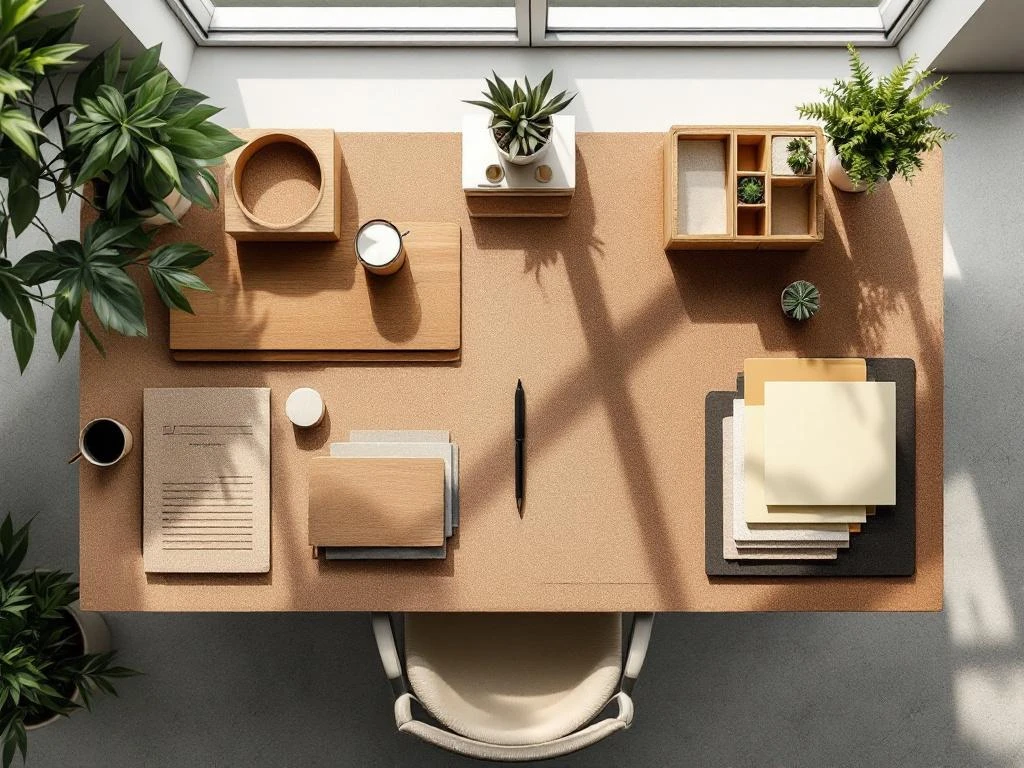
Sustainable project design involves using materials that are produced in an environmentally friendly way and can be recycled at the end of their life cycle. The most popular options are FSC-certified wood, recycled plastics, natural fibers, and bio-based materials. These materials create a healthier working environment, lower maintenance costs, and support your company's sustainability goals.
What are the most commonly used sustainable materials for office furniture?
FSC-certified wood is at the top of the list of sustainable materials for office furniture. This wood comes from responsibly managed forests, where biodiversity and local communities are protected. You will find FSC wood in desks, cabinets, and conference tables.
Recycled plastics are another important category. These materials are made from waste, such as plastic bottles and old office furniture, which are given a second life. They are particularly suitable for office chairs, armrests, and decorative elements, as they are dimensionally stable and low-maintenance.
Natural fibers such as hemp, flax, and organic cotton are mainly used in upholstery and acoustic panels. These materials are breathable, have antibacterial properties, and create a pleasant working environment.
Biobased materials, made from plant-based raw materials, are rapidly gaining ground. Examples include bioplastics made from corn starch and furniture boards made from agricultural waste. They offer the same functionality as traditional materials, but with a much smaller ecological footprint.
How can you recognize truly sustainable materials in project design?
True sustainability can be recognized by reliable certifications such as FSC for wood, Cradle to Cradle for circular production, and GREENGUARD for low emissions. These labels are issued by independent organizations and guarantee that materials meet strict environmental and health requirements.
Be wary of greenwashing by looking beyond fancy marketing terms. Always ask for concrete certificates and check whether they are still valid. Truly sustainable suppliers can transparently explain where their materials come from and how they are produced.
Cradle to Cradle certification is particularly valuable because it assesses the entire life cycle of a product, from raw material extraction to end-of-life recycling. Products with this certification are designed to be fully circular.
GREENGUARD certification focuses on air quality. Materials with this label do not release harmful substances into the indoor air. This is important for the health of your employees and contributes to a productive working environment.
What advantages do sustainable materials offer for your office environment?
Sustainable materials significantly improve air quality because they emit fewer harmful substances than conventional alternatives. This leads to fewer headaches, allergic reactions, and fatigue among employees, which benefits productivity.
From a financial perspective, you save money thanks to lower maintenance costs. Sustainable materials are often of higher quality and last longer. FSC-certified wood, for example, is usually better dried and more stable than regular wood, making it less prone to cracking or warping.
Employee satisfaction increases noticeably when employees know that their employer makes conscious choices that benefit people and the environment. This strengthens your employer branding and helps attract talent that values corporate social responsibility.
These materials are indispensable for your company's sustainability goals. They help you reduce CO2 emissions, achieve circular goals, and ensure compliance with increasingly stringent environmental legislation.
How much do sustainable materials cost compared to traditional options?
Sustainable materials cost 10-30% more to purchase than traditional alternatives, but you will recoup this investment through lower maintenance costs and a longer service life. The total cost of ownership is often more favorable than with conventional materials.
The payback period averages between 3 and 7 years, depending on the type of material and intensity of use. For frequently used items such as office chairs and worktops, the payback period is shorter because that is where the differences in quality are most noticeable.
Long-term savings are generated by various factors. Sustainable materials require less maintenance, last longer, and retain their value better. You also save on replacement costs, as these products often come with a 10-15 year warranty instead of the usual 5 years.
Don't forget to include indirect savings in your calculation. Better air quality leads to less absenteeism, higher productivity, and lower air conditioning costs, because natural materials are more breathable.
How Wout Monseurs assists with sustainable project design
At Wout Monseurs, we start every project design with a thorough analysis of your sustainability goals and budget. We select materials that perfectly match your corporate vision and ensure that all selected products have the appropriate certifications.
Our expertise in circular solutions helps you not only to choose sustainable new materials, but also to give existing furniture a second life through refurbishment. We work with suppliers who, like us, are committed to a circular economy.
Throughout the entire process, you will have a single point of contact who will personally guide you. From the initial design to delivery, we ensure that all sustainability aspects are implemented correctly. Would you like to know more about our approach to sustainable office design? Contact us for a no-obligation consultation.
Frequently asked questions
How can I improve the sustainability of existing office furniture without replacing everything?
You can upgrade existing furniture by applying new, durable upholstery, replacing FSC-certified wooden parts, and replacing old plastic elements with recycled alternatives. Refurbishing quality furniture is often more cost-effective than buying new and significantly reduces waste.
What pitfalls should I avoid when selecting sustainable suppliers?
Avoid suppliers who only make vague sustainability claims without concrete certifications. Pay attention to the expiration dates of certificates, ask for transparency about the supply chain, and be cautious with suppliers who cannot provide clear information about the origin of their materials. Always check whether certifications have been issued by independent organizations.
How do I measure the success of my sustainable project design?
Meet het succes door KPI’s zoals CO2-reductie, afvalvermindering, en werknemerstevredenheidsscores bij te houden. Monitor ook de luchtkwaliteit in je kantoor, track onderhoudskosten en ziekteverzuim, en documenteer hoeveel procent van je meubilair gecertificeerd duurzame materialen bevat. Stel jaarlijkse evaluaties in om voortgang te meten.
Can I combine sustainable materials with a limited budget?
Yes, by replacing items in phases and prioritizing those with the greatest impact, such as workstations and meeting rooms. Consider leasing sustainable furniture, opt for refurbished options, and invest first in materials that directly affect health. Combine new sustainable purchases with refurbishing existing quality furniture.
How do I maintain sustainable materials to maximize their lifespan?
Only use pH-neutral, environmentally friendly cleaning products that do not damage the materials. For FSC wood, use natural wax or oil; recycled plastics should be cleaned with mild soap; and natural fibers need to be vacuumed regularly. Avoid harsh chemicals and direct sunlight to prevent discoloration.
What role does ventilation play in the use of sustainable materials?
Good ventilation is crucial to maximize the benefits of low-emission materials and regulate moisture, which is especially important for natural fibers. Ensure adequate air circulation to prevent mold growth and make the most of the natural breathability of sustainable materials. This will also extend the life of your investment.
How do I prepare my team for the transition to sustainable office furniture?
Communicate clearly about the benefits for health and the working environment, organize a knowledge session on the correct use and maintenance of new materials, and involve employees in the selection process where possible. Explain how the new furniture contributes to business objectives and ensure a gradual transition to minimize resistance.