

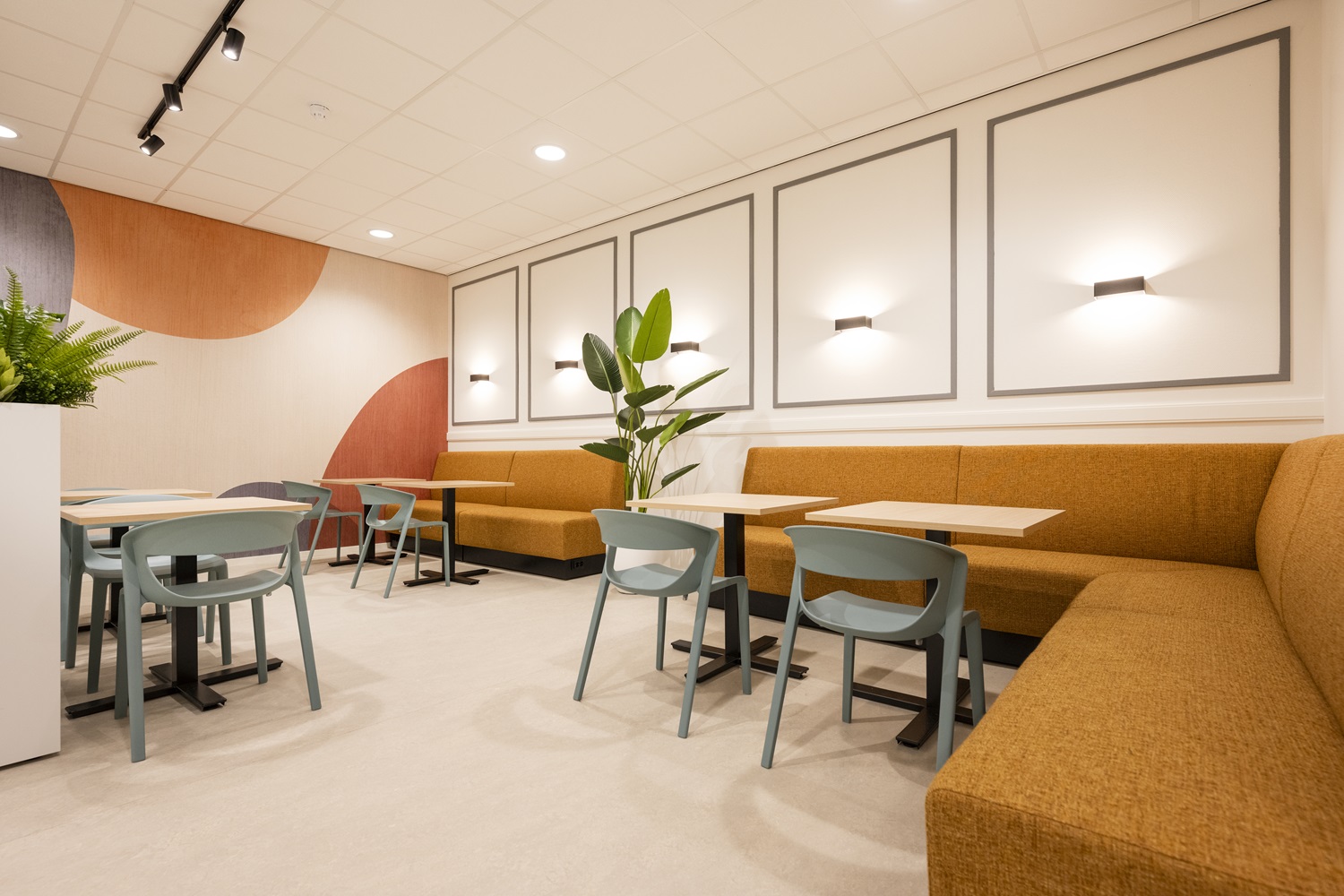
Projectinrichting in onderwijsinstellingen moet voldoen aan strenge veiligheids-, ergonomie-, duurzaamheids- en toegankelijkheidseisen. Deze eisen zijn vastgelegd in Nederlandse en Europese normen en zorgen voor veilige, gezonde leeromgevingen. Van brandveilige materialen tot ergonomische werkplekken en toegankelijkheid voor mensen met beperkingen: alle aspecten vereisen zorgvuldige planning en uitvoering.
Welke veiligheidseisen zijn verplicht voor onderwijsmeubels?
Onderwijsmeubels moeten voldoen aan de EN 1729-normen voor veiligheid, stabiliteit en duurzaamheid. Deze Europese norm stelt eisen aan brandveiligheid, materiaalgebruik en constructie. Meubels moeten bestand zijn tegen intensief gebruik en mogen geen gevaarlijke stoffen bevatten die schadelijk zijn voor leerlingen en docenten.
De brandveiligheidseisen zijn bijzonder belangrijk. Materialen moeten voldoen aan brandklasse B-s2,d0 of beter volgens de Europese classificatie. Dit betekent dat ze beperkt brandbaar zijn en weinig rook produceren. Stoffen en bekleding moeten apart getest worden op brandvertragende eigenschappen.
Stabiliteit vormt een ander belangrijk punt. Stoelen en tafels moeten bestand zijn tegen kantelen en omvallen, zelfs bij onoordeelkundig gebruik. De norm schrijft specifieke belastingstests voor waarin meubels hun stabiliteit moeten behouden onder verschillende omstandigheden.
Materiaalvereisten gaan verder dan alleen veiligheid. Oppervlakken moeten gemakkelijk te reinigen zijn en bestand zijn tegen desinfectiemiddelen. Scherpe hoeken en uitstekende delen zijn niet toegestaan om verwondingen te voorkomen.
Hoe zorg je voor ergonomische werkplekken in onderwijsinstellingen?
Ergonomische werkplekken in het onderwijs vereisen aanpasbaar meubilair dat past bij verschillende lichaamslengtes en leeftijden. Tafelhoogtes moeten variëren tussen 64 en 76 cm voor volwassenen, terwijl kindermeubilair in verschillende maten beschikbaar moet zijn. Stoelen moeten goede rugsteun bieden en bij voorkeur in hoogte verstelbaar zijn.
Voor docenten zijn ergonomische bureaustoelen met armsteunen en lendensteun noodzakelijk. Het bureaublad moet voldoende ruimte bieden voor computerwerk en lesmateriaal. Een hoogte van 72 tot 76 cm werkt voor de meeste volwassenen, maar verstelbare opties zijn ideaal.
Beeldschermposities vragen speciale aandacht. De bovenkant van het scherm moet op ooghoogte staan, met een kijkafstand van 50 tot 70 cm. In computerlokalen betekent dit vaak dat monitoren op verstelbare armen gemonteerd moeten worden.
Leerlingen hebben andere behoeften per leeftijdsgroep. Basisschoolmeubilair moet meegroeien of in verschillende maten beschikbaar zijn. Voor het voortgezet onderwijs zijn standaardafmetingen voor volwassenen meestal geschikt, maar variatie blijft belangrijk voor comfort en concentratie.
Wat zijn de duurzaamheidseisen voor schoolmeubilair?
Schoolmeubilair moet waar mogelijk voldoen aan FSC-certificering voor hout en bestaan uit recyclebare materialen. Duurzaamheidseisen richten zich op een lange levensduur, herbruikbaarheid en minimale milieu-impact. Meubels moeten minimaal 10 tot 15 jaar meegaan bij intensief gebruik in onderwijsomgevingen.
Principes van de circulaire economie worden steeds belangrijker. Dit betekent dat meubels ontworpen worden voor demontage en hergebruik. Materialen moeten gescheiden kunnen worden voor recycling aan het einde van de levenscyclus.
Lokale productie krijgt de voorkeur om transportemissies te beperken. Nederlandse en Europese fabrikanten hebben vaak kortere leveringslijnen en kunnen sneller reageren op specifieke wensen van onderwijsinstellingen.
Onderhoudsgemak speelt een grote rol in duurzaamheid. Meubels die gemakkelijk te repareren en te reinigen zijn, gaan langer mee. Vervangbare onderdelen zoals wieltjes, armleuningen en bekleding verlengen de gebruiksduur aanzienlijk.
Milieucertificaten zoals Cradle to Cradle en GREENGUARD geven inzicht in de totale milieu-impact. Deze certificeringen beoordelen materiaalveiligheid, herbruikbaarheid en productieprocessen.
Welke toegankelijkheidsnormen gelden voor onderwijsruimtes?
Onderwijsruimtes moeten voldoen aan toegankelijkheidseisen volgens het Bouwbesluit en NEN-normen voor mensen met beperkingen. Dit omvat rolstoeltoegankelijke werkplekken, verstelbaar meubilair en aanpassingen voor visueel of auditief beperkte gebruikers. Minimaal 5% van de werkplekken moet volledig toegankelijk zijn.
Rolstoeltoegankelijkheid vereist tafels met een minimale onderhoogte van 67 cm en voldoende beenruimte. Gangpaden tussen meubilair moeten minimaal 90 cm breed zijn, met 120 cm voor kruisende routes. Drempels en niveauverschillen zijn niet toegestaan.
Hoogteverstelbaarheid wordt steeds belangrijker. Elektrisch verstelbare tafels maken het mogelijk dat gebruikers zowel zittend als staand kunnen werken. Dit komt ten goede aan mensen met verschillende beperkingen en bevordert een algemeen gezonde werkhouding.
Visuele ondersteuning omvat goede verlichting en contrastrijke kleuren. Werkbladen moeten mat zijn om verblinding te voorkomen. Tactiele markeringen helpen mensen met visuele beperkingen bij het navigeren door de ruimte.
Auditieve aanpassingen kunnen bestaan uit akoestische panelen en geluidsdempende materialen. Voor slechthorende gebruikers zijn ringleidingsystemen en goede akoestiek belangrijk voor het volgen van lessen.
Hoe Wout Monseurs helpt met projectinrichting
Wout Monseurs begrijpt dat projectinrichting in onderwijsinstellingen vraagt om specialistische kennis van alle geldende eisen. We begeleiden je door het complete proces, van het eerste ontwerp tot de eindoplevering. Onze ervaring met onderwijsprojecten zorgt ervoor dat alle veiligheids-, ergonomie-, duurzaamheids- en toegankelijkheidseisen vanaf het begin worden meegenomen.
We werken met hoogwaardige leveranciers die gespecialiseerd zijn in onderwijsmeubilair en alle relevante certificeringen en normen kennen. Dit bespaart jou tijd en zorgt ervoor dat je investering voldoet aan alle wettelijke vereisten. Van het 3D-ontwerp tot de logistieke planning regelen we alles voor je.
Wil je weten hoe we jouw onderwijsinstelling kunnen helpen met een complete projectinrichting die voldoet aan alle eisen? Neem contact met ons op voor een vrijblijvend adviesgesprek over jouw specifieke situatie.
Neem ook eens een kijkje bij ons project voor INOS het Kasteel waar wij de kantine hebben getransformeerd naar een fijne plek waar collega’s kunnen samen komen en ontspannen.
Veelgestelde vragen
Hoe lang duurt het implementeren van een complete projectinrichting voor een onderwijsinstelling?
Een complete projectinrichting duurt gemiddeld 8-16 weken, afhankelijk van de omvang en complexiteit. Dit omvat 2-3 weken voor ontwerp en planning, 4-8 weken voor productie van aangepast meubilair, en 2-4 weken voor levering en installatie. Bij grote renovaties of nieuwbouw kan dit oplopen tot 20-24 weken.
Wat zijn de meest voorkomende fouten bij het inkopen van onderwijsmeubilair?
De grootste fouten zijn het niet controleren van EN 1729-certificering, onvoldoende rekening houden met verschillende lichaamslengtes, en het kiezen van materialen die niet geschikt zijn voor intensief gebruik. Ook wordt vaak vergeten om toegankelijkheidseisen vanaf het begin mee te nemen in plaats van achteraf aan te passen.
Hoe bereken je het juiste percentage toegankelijke werkplekken voor jouw instelling?
De minimumeis is 5% van alle werkplekken, maar dit kan hoger zijn afhankelijk van je doelgroep. Tel alle vaste werkplekken (niet tijdelijke zitplaatsen) en rond naar boven af. Voor een lokaal met 30 werkplekken betekent dit minimaal 2 volledig toegankelijke plekken, maar 3 is vaak praktischer.
Welke onderhoudskosten moet je rekenen voor duurzaam onderwijsmeubilair?
Reken op 2-4% van de aanschafwaarde per jaar aan onderhoudskosten voor kwalitatief meubilair. Dit omvat reiniging, kleine reparaties en vervangingsonderdelen. Goedkoper meubilair kan tot 8% per jaar kosten door frequentere vervanging en reparaties.
Hoe test je of bestaand meubilair nog voldoet aan de huidige veiligheidsnormen?
Laat een gecertificeerde inspecteur een veiligheidsaudit uitvoeren volgens EN 1729-normen. Controleer zelf op zichtbare slijtage, losse verbindingen, scherpe randen en beschadigde bekleding. Meubilair ouder dan 10 jaar moet vaak vervangen worden omdat het niet voldoet aan huidige brandveiligheidseisen.
Wat is de beste aanpak voor het faseren van een grote meubilair-upgrade?
Begin met de meest kritieke ruimtes zoals computerlokalen en docentenwerkplekken waar ergonomische problemen het grootst zijn. Plan vervolgens per vleugel of verdieping om onderwijsverstoringen te minimaliseren. Zorg dat elke fase compleet is voordat je de volgende start, en houd altijd 10-15% budget als reserve voor onvoorziene aanpassingen.