

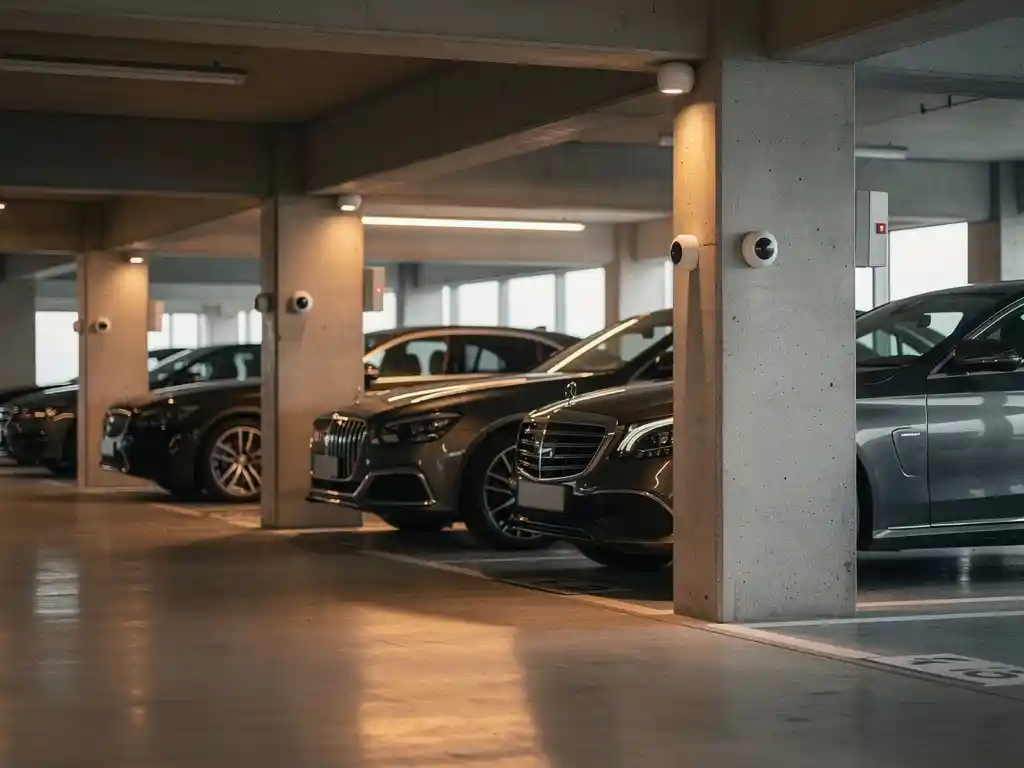
Slimme parkeersystemen revolutioneren de manier waarop we parkeerruimtes beheren en benutten. Deze intelligente oplossingen maken gebruik van geavanceerde sensortechnologie om realtime informatie te verstrekken over beschikbare parkeerplaatsen, waardoor zowel bestuurders als parkeerbeheerders profiteren van een hogere efficiëntie.
Net zoals slimme sensoren de kantooromgeving transformeren door automatische verlichting en klimaatbeheersing, spelen sensoren een cruciale rol in moderne parkeersystemen. De keuze van het juiste sensortype bepaalt de betrouwbaarheid, nauwkeurigheid en kosteneffectiviteit van het hele systeem.
Wat zijn slimme parkeersystemen en waarom zijn sensoren belangrijk?
Slimme parkeersystemen zijn geautomatiseerde oplossingen die sensoren, software en communicatietechnologie combineren om parkeerplaatsen realtime te monitoren en te beheren. Deze systemen detecteren automatisch of een parkeerplaats bezet of vrij is en delen die informatie via displays, mobiele apps of webportalen.
Sensoren vormen het hart van elk slim parkeersysteem, omdat ze de fysieke detectie van voertuigen mogelijk maken. Zonder betrouwbare sensoren kunnen deze systemen geen accurate informatie verstrekken over de beschikbaarheid van parkeerplaatsen. De sensoren fungeren als de ogen en oren van het systeem, waarbij elke parkeerplaats continu wordt gemonitord.
De belangrijkste voordelen van sensoren in slimme parkeersystemen zijn een verbeterde gebruikerservaring door het elimineren van zoekverkeer, een hogere parkeercapaciteit door optimaal ruimtegebruik en waardevolle data-inzichten voor parkeerbeheer. Moderne sensoren kunnen ook bijdragen aan milieudoelstellingen door de uitstoot te verminderen die ontstaat door rondrijdend zoekverkeer.
Welke typen sensoren worden gebruikt in slimme parkeersystemen?
De meest gebruikte sensortypen in slimme parkeersystemen zijn ultrasone sensoren, magnetische sensoren, cameragebaseerde systemen en infraroodsensoren. Elk type heeft specifieke voor- en nadelen wat betreft nauwkeurigheid, kosten en installatiegemak.
Ultrasone sensoren werken met geluidsgolven en worden vaak boven parkeerplaatsen geïnstalleerd. Ze detecteren voertuigen door de tijd te meten die geluidsgolven nodig hebben om te reflecteren. Deze sensoren zijn relatief goedkoop en eenvoudig te installeren, maar kunnen gevoelig zijn voor weersomstandigheden.
Magnetische sensoren worden in het wegdek geïnstalleerd en detecteren veranderingen in het magnetische veld wanneer een voertuig aanwezig is. Ze zijn zeer nauwkeurig en worden niet beïnvloed door weersomstandigheden, maar vereisen grondwerk voor de installatie. Cameragebaseerde systemen gebruiken beeldherkenning en kunstmatige intelligentie om voertuigen te identificeren, terwijl infraroodsensoren warmtestraling detecteren.
Wat is het verschil tussen ultrasone en magnetische parkeersensoren?
Het belangrijkste verschil tussen ultrasone en magnetische parkeersensoren zit in hun detectiemethode en installatiepositie. Ultrasone sensoren worden boven parkeerplaatsen gemonteerd en gebruiken geluidsgolven, terwijl magnetische sensoren in het wegdek worden geïnstalleerd en veranderingen in het magnetische veld detecteren.
Ultrasone sensoren bieden het voordeel van een eenvoudige installatie zonder grondwerk, waardoor ze geschikt zijn voor tijdelijke of flexibele parkeersituaties. Ze hebben echter een beperkte nauwkeurigheid bij extreme weersomstandigheden, zoals zware regen of sneeuw. De detectieafstand kan variëren tussen 0,5 en 8 meter, afhankelijk van het model.
Magnetische sensoren daarentegen bieden superieure nauwkeurigheid en zijn volledig weerbestendig, omdat ze ondergronds zijn geïnstalleerd. Ze detecteren zelfs kleine voertuigen, zoals motorfietsen, betrouwbaar. Het nadeel is de complexere installatie, die grondwerk vereist, en de hogere installatiekosten. De batterijduur van magnetische sensoren is doorgaans langer, vaak 5 tot 10 jaar, vergeleken met 2 tot 3 jaar voor ultrasone varianten.
Hoe werken cameragebaseerde parkeersensoren?
Cameragebaseerde parkeersensoren gebruiken beeldherkenning en kunstmatige intelligentie om voertuigen te detecteren en parkeerplaatsen te monitoren. Deze systemen analyseren videobeelden realtime om te bepalen of parkeerplaatsen bezet of vrij zijn.
Het systeem werkt door continue videomonitoring van parkeergebieden, waarbij geavanceerde algoritmen objectherkenning toepassen om voertuigen te identificeren. Machinelearningtechnologie stelt de camera’s in staat om te leren van verschillende voertuigtypen, weersomstandigheden en lichtomstandigheden. De software kan onderscheid maken tussen geparkeerde voertuigen, voorbijrijdende auto’s en andere objecten.
Cameragebaseerde systemen bieden unieke voordelen, zoals de mogelijkheid om meerdere parkeerplaatsen tegelijk te monitoren met één camera, nummerplaatherkenning voor toegangscontrole en visuele verificatie van parkeersituaties. Ze kunnen ook worden geïntegreerd met beveiligingssystemen voor dubbele functionaliteit. Moderne systemen werken betrouwbaar bij verschillende lichtomstandigheden dankzij infraroodverlichting en geavanceerde beeldsensoren.
Welke factoren bepalen de keuze voor het juiste sensortype?
De keuze voor het juiste sensortype wordt bepaald door factoren zoals budget, installatieomgeving, gewenste nauwkeurigheid, onderhoudsbehoeften en specifieke functionele vereisten. Een grondige analyse van deze aspecten leidt tot de optimale sensorkeuze voor elke parkeersituatie.
Budgetoverwegingen spelen een cruciale rol, waarbij ultrasone sensoren de meest kosteneffectieve optie zijn voor kleinere projecten, terwijl magnetische sensoren een hogere initiële investering vereisen maar lagere onderhoudskosten hebben. De installatieomgeving bepaalt ook de haalbaarheid: bestaande parkeerterreinen zijn beter geschikt voor ultrasone of camerasystemen, terwijl nieuwbouwprojecten ideaal zijn voor magnetische sensoren.
Nauwkeurigheidsvereisten variëren per toepassing. Voor premium parkeerfaciliteiten waar maximale betrouwbaarheid vereist is, hebben magnetische sensoren of geavanceerde camerasystemen de voorkeur. Voor basisparkeerbeheer kunnen ultrasone sensoren voldoende zijn. Onderhoudstoegankelijkheid is een ander belangrijk aspect: sensoren op moeilijk bereikbare locaties vereisen een langere batterijduur en minimaal onderhoud.
Hoe Wout Monseurs helpt met sensoren voor slimme kantooromgevingen
Wij bij Wout Monseurs integreren slimme sensortechnologie naadloos in moderne kantooromgevingen als onderdeel van onze Smart Office-oplossingen. Onze expertise in intelligente sensorsystemen helpt bedrijven hun werkruimtes te optimaliseren met dezelfde precisie en betrouwbaarheid die slimme parkeersystemen kenmerken.
Onze Smart Office-diensten omvatten:
- Intelligente verlichtingssystemen met bewegingssensoren die energiekosten tot 90% verlagen
- Automatische klimaatbeheersing via IoT-sensoren voor optimaal werknemerscomfort
- Deskbooking-systemen met sensortechnologie voor flexibel werkplekbeheer
- Realtime ruimtemonitoring voor efficiënt facilitair beheer
Met meer dan 60 jaar ervaring in kantoorinrichting combineren wij traditionele expertise met geavanceerde sensortechnologie. Van ons Experience Center in Breda tot complete turnkeyprojecten door heel Nederland: wij zorgen voor intelligente werkomgevingen die productiviteit en werknemerstevredenheid maximaliseren. Neem contact op voor een vrijblijvend adviesgesprek over slimme sensoren in uw kantooromgeving.
Veelgestelde vragen
Wat zijn de typische installatiekosten voor verschillende sensortypen in parkeersystemen?
Ultrasone sensoren kosten meestal €50-150 per stuk inclusief installatie, magnetische sensoren €100-300 per stuk plus grondwerkkosten, en camerasystemen €500-2000 per camera die meerdere plaatsen kan monitoren. De totale projectkosten hangen af van de parkeergrootte, maar magnetische sensoren zijn vaak kosteneffectiever bij grote projecten vanwege hun langere levensduur.
Hoe lang gaan de batterijen van parkeersensoren mee en wat gebeurt er bij onderhoud?
Ultrasone sensoren hebben een batterijduur van 2-3 jaar, magnetische sensoren 5-10 jaar, en camerasystemen zijn meestal netvoeding-afhankelijk. Bij batterijvervanging krijgt u meestal een waarschuwing via het managementsysteem 2-3 maanden van tevoren. Professionele installatieservices bieden vaak onderhoudscontracten met preventieve batterijvervanging.
Kunnen parkeersensoren betrouwbaar werken bij extreme weersomstandigheden?
Magnetische sensoren zijn het meest weerbestendig omdat ze ondergronds zitten. Ultrasone sensoren kunnen bij zware regen, sneeuw of mist minder nauwkeurig worden. Moderne camerasystemen met infraroodverlichting werken goed bij verschillende weersomstandigheden, maar kunnen bij dichte mist beperkt zijn. Voor buitenparkeerplaatsen in Nederland adviseren we meestal magnetische sensoren voor optimale betrouwbaarheid.
Hoe integreer ik parkeersensoren met bestaande parkeermanagementsoftware?
De meeste moderne parkeersensoren communiceren via standaard protocollen zoals LoRaWAN, WiFi of 4G/5G en hebben API-koppelingen voor integratie. Controleer of uw bestaande software open API’s ondersteunt of vraag uw leverancier naar compatibiliteit. Veel sensorfabrikanten bieden ook eigen cloudplatforms die kunnen integreren met populaire parkeermanagementsystemen via webhooks of database-synchronisatie.
Wat zijn de meest voorkomende problemen bij de implementatie van slimme parkeersensoren?
Veelvoorkomende uitdagingen zijn valse detecties door bladeren of vuil op sensoren, netwerkconnectiviteitsproblemen in parkeergarages, en kalibratieproblemen bij camerasystemen. Voorkom deze problemen door regelmatige reiniging in te plannen, een sterke WiFi-infrastructuur te installeren, en sensoren te laten kalibreren door gecertificeerde technici. Een goede installatieservice biedt altijd een testperiode en fine-tuning.
Kunnen parkeersensoren ook kleinere voertuigen zoals motoren en fietsen detecteren?
Magnetische sensoren detecteren motorfietsen zeer betrouwbaar vanwege hun metalen massa. Ultrasone sensoren kunnen motoren detecteren maar hebben moeite met fietsen vanwege hun kleinere reflectieoppervlak. Camerasystemen met AI kunnen beide voertuigtypen herkennen als ze daarvoor getraind zijn. Voor gemengde parkeergebieden met auto’s, motoren en fietsen zijn camerasystemen of een combinatie van sensortypen het meest effectief.