

Smart office technology is transforming modern workplaces by integrating intelligent systems that automatically respond to the needs of employees and the building. These advanced solutions combine IoT sensors, AI-driven systems, and automated climate control to not only enhance employee comfort but also deliver significant cost savings.
For Dutch companies struggling with rising energy costs and the need for more efficient workspaces, smart office features offer tangible financial benefits. From automated lighting that reduces energy costs by up to 90% to smart booking systems that optimize space utilization: the right smart office implementation can pay for itself within a few years.
What are smart office features, and why do they save money?
Smart office features are automated technologies that make workspaces smarter by using sensors, AI, and IoT devices to optimize energy use, space utilization, and employee comfort. These systems save money by automating processes, reducing energy waste, and making more efficient use of office space.
The key smart office features include smart lighting systems that automatically respond to motion and natural light, intelligent climate control that adjusts the temperature based on occupancy, and digital booking systems for workspaces and meeting rooms. These technologies work together to drastically reduce operational costs.
Cost savings result from the fact that smart office systems eliminate waste. Traditional offices often leave lights on and air conditioning running in empty spaces, whereas smart systems only consume energy when necessary. In addition, these technologies make it possible to use less office space by making optimal use of flexible workspaces.
Which smart office features deliver the highest ROI?
Smart lighting systems, automated climate control, and digital workspace booking systems deliver the highest return on investment. These features combine relatively low implementation costs with substantial, measurable savings on energy and facility costs.
Smart lighting systems use motion sensors and daylight sensors to turn on and off automatically. They can reduce lighting energy costs by up to 90% by only turning on when rooms are occupied and adjusting the brightness based on the available natural light.
Smart HVAC systems optimize heating, ventilation, and air conditioning by using real-time data on occupancy and outdoor temperature. These systems can reduce energy costs for climate control by 20–40% by automatically adjusting temperatures in unused areas.
Desk booking tools enable flexible workspaces and provide insight into space utilization. This allows companies to reduce their office space or use it more efficiently, leading to significant savings on rent and maintenance costs.
How much money can smart lighting and climate control save?
Smart lighting can reduce energy costs by up to 90%, while intelligent climate control can cut HVAC costs by 20–40%. For an average office building of 1,000 m², this translates to thousands of euros in annual savings on energy bills.
Smart lighting systems use LED technology combined with sensors that detect motion and natural light. They automatically turn off in unoccupied areas and dim when there is sufficient natural light available. This eliminates the waste caused by traditional lighting that remains on unnecessarily.
Smart climate control adjusts temperatures based on real-time occupancy data and weather conditions. The system heats or cools only the areas that are actually in use and can anticipate changes in occupancy throughout the day. This prevents energy waste in empty meeting rooms or after office hours.
The combination of these two systems creates synergistic effects. Smart lighting generates less heat than traditional lighting, which means the air conditioning doesn’t have to work as hard. Together, these systems can reduce the total energy costs of an office building by 30–50%.
How do smart office features help optimize space and reduce costs?
Smart office features optimize space utilization by collecting real-time data on occupancy and usage patterns, enabling companies to use their office space more efficiently and reduce real estate costs. Sensors and booking systems enable flexible workspaces that adapt to actual needs.
Occupancy sensors measure how many workstations, meeting rooms, and common areas are actually in use at different times of the day and week. This data often reveals that much of the office space is underutilized, prompting companies to consider downsizing their office space or optimizing the layout.
Digital reservation systems enable hot-desking and flexible workspaces. Employees can reserve a workspace via an app, which drastically reduces the number of permanent desks needed. As a result, many companies can reduce their office space by 20–30% without compromising functionality.
Smart office analytics provide managers with insights into space-usage patterns and help them make data-driven decisions about office layout. This information can lead to the repurposing of underutilized spaces for more in-demand functions, such as break rooms or additional meeting facilities.
Which smart office investments have the shortest payback period?
Smart lighting systems and motion sensors typically have the shortest payback period of 1–2 years, followed by smart thermostats and desk booking systems, which have a payback period of 2–3 years. These investments combine low upfront costs with immediate, measurable savings.
Motion sensors for lighting are relatively inexpensive to install and deliver immediate savings. They typically cost a few hundred euros per room, but can reduce lighting costs by 60–80%. In offices where lights are often left on unnecessarily, these sensors pay for themselves within a year.
Smart thermostats and zone control systems for climate control have slightly higher upfront costs, but they yield substantial savings on heating and cooling expenses. The investment ranges from thousands to tens of thousands of euros, depending on the size of the building, but it saves 20–40% on energy costs annually.
Desk booking systems require software implementation and may require hardware, such as tablets or displays, but they enable flexible workspaces that optimize space utilization. Although the direct energy savings are limited, these systems can lead to significant savings on real estate costs through more efficient use of space.
How Wout Monseurs assists with smart office implementation
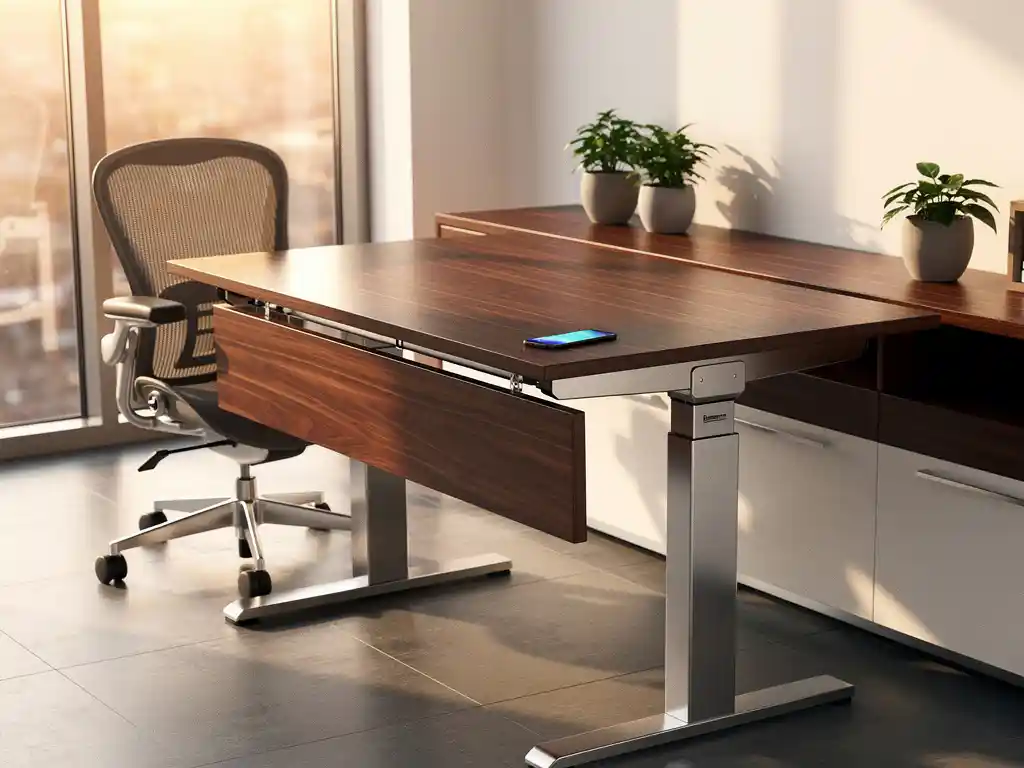
We offer a comprehensive smart office solution as part of our three service pillars, integrating cutting-edge technology into your office design. Our smart office implementation includes smart booking systems, automatic desk adjustments based on personal preferences, and intelligent climate and lighting systems that save energy and maximize comfort.
Our smart office services include:
- Desk booking tools for flexible workspace reservations via smartphone
- Smart conference phones and conference systems for efficient video calls
- Automated desktop customizations that remember personal preferences
- Insight into facility costs through smart office analytics
- Integration with our project management system for a comprehensive solution
With over 60 years of experience, we combine traditional expertise with cutting-edge smart office technology. Our family-run business approach means personalized support at every step of your digital transformation. Contact us for a no-obligation consultation on how smart office features can reduce your office costs and boost productivity.
Frequently asked questions
How long does it take to implement smart office features in an existing office?
The implementation of smart office features typically takes 2–6 weeks, depending on the scope and complexity. Simple solutions such as motion sensors and smart thermostats can be installed within a few days, while comprehensive systems with desk booking and integrated climate control require more time. We schedule the installation to minimize disruption to daily operations.
Are smart office systems compatible with our existing IT infrastructure?
Modern smart office solutions are designed to integrate with existing IT systems using standard protocols and APIs. Most systems operate via Wi-Fi and can be connected to existing networks without major modifications. During the analysis phase, we always check for compatibility and advise on any necessary upgrades to your network or security systems.
What happens if smart office systems go down or malfunction?
Smart office systems are designed with fail-safe mechanisms that ensure basic functions continue to operate in the event of a malfunction. For example, lighting automatically switches to manual control, and climate control reverts to preset temperatures. We offer maintenance contracts with fast response times and remote monitoring to proactively resolve issues before they cause any disruption.
Can employees operate and customize the smart office systems themselves?
Yes, user-friendliness is at the heart of our smart office solutions. Employees can use intuitive smartphone apps to reserve their workstations, adjust lighting and temperature, and set personal preferences. The system remembers individual settings and automatically adjusts them when someone uses their workstation. Training is minimal because the interfaces are designed to be self-explanatory.
How is employee privacy protected when using sensors and tracking?
Privacy is a top priority in our smart office implementation. All sensors collect only anonymous occupancy data without any personal identifiers. Employees can choose which preferences to share and can always override them manually. All data is processed locally in accordance with GDPR guidelines and is never shared with third parties without explicit consent.
What ongoing costs are associated with smart office systems after implementation?
Once implemented, ongoing costs are limited to software licenses (typically €2–5 per user per month), periodic sensor maintenance, and any updates. These costs are offset by the monthly savings on energy and property expenses. We offer transparent maintenance contracts with no hidden surprises, and most systems have a lifespan of 10–15 years with minimal replacement costs.
Can we implement smart office features in phases, or does everything have to be done at once?
A phased implementation is often the most practical approach and is what we recommend. You can start with high-ROI features such as smart lighting and motion sensors, and later expand to include desk booking and advanced climate control. This approach spreads out the investment and allows you to gain experience before rolling out the full system. We’ll design a roadmap that fits your budget and priorities.