

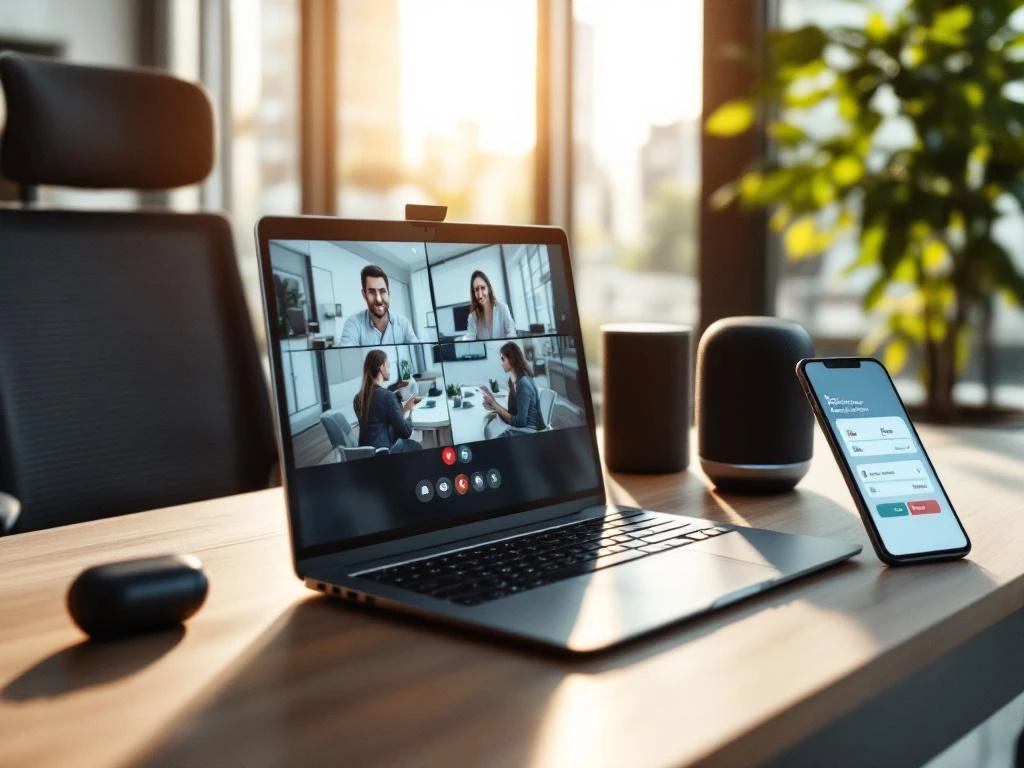
Smart office-oplossingen voor hybride werken combineren geavanceerde technologieën zoals IoT-sensoren, hotdesking-systemen en slimme klimaatbeheersing om flexibele werkplekken te creëren. Deze oplossingen stellen werknemers in staat om naadloos te wisselen tussen thuiswerken en kantoorwerk, terwijl bedrijven efficiënter gebruikmaken van kantoorruimte en resources.
Wat zijn smart office-oplossingen en waarom zijn ze essentieel voor hybride werken?
Smart office-oplossingen zijn geïntegreerde technologieën die kantoorruimtes intelligent maken door automatisering, realtime data en gebruikersgerichte systemen. Ze omvatten alles, van slimme verlichting tot digitale werkplekboekingssystemen die zich aanpassen aan de wisselende behoeften van hybride werknemers.
Deze technologieën zijn essentieel geworden omdat traditionele kantoren niet zijn ontworpen voor de flexibiliteit die hybride werken vereist. Werknemers hebben behoefte aan naadloze overgangen tussen thuis- en kantoorwerk, terwijl werkgevers willen optimaliseren hoe kantoorruimte wordt gebruikt. Smart office-oplossingen maken dit mogelijk door realtime inzicht te geven in ruimtegebruik, automatische aanpassingen van omgevingsinstellingen en digitale tools die samenwerking ondersteunen.
Voor werknemers betekenen deze oplossingen meer comfort en productiviteit. Voor bedrijven resulteren ze in kostenbesparingen door efficiënter ruimtegebruik en lagere energiekosten. Bovendien ondersteunen ze de werknemerstevredenheid door een moderne, aangename werkomgeving te creëren.
Welke technologieën maken een kantoor geschikt voor hybride werken?
De belangrijkste technologieën voor hybride kantoren zijn werkplekboekingssystemen, geavanceerde videoconferentieoplossingen, IoT-sensoren voor ruimtebeheer en slimme klimaat- en verlichtingssystemen. Deze technologieën werken samen om een flexibele, efficiënte werkomgeving te creëren.
Hotdesking en werkplekboekingssystemen stellen werknemers in staat om werkplekken digitaal te reserveren via apps of webportalen. Dit voorkomt onderbezetting en zorgt ervoor dat iedereen een geschikte werkplek heeft wanneer hij of zij op kantoor is.
Videoconferentieoplossingen gaan verder dan basiscamera’s en microfoons. Moderne systemen integreren met populaire platforms zoals Microsoft Teams en Zoom, bieden draadloze presentatiemogelijkheden en automatische cameratracking voor natuurlijke gesprekken tussen kantoor- en thuiswerkers.
- IoT-sensoren monitoren bezetting, luchtkwaliteit en geluidsniveaus
- Slimme verlichting past zich aan op natuurlijk licht en aanwezigheid
- Digitale toegangssystemen beheren veiligheid en toegang op afstand
- Geïntegreerde klimaatbeheersing optimaliseert comfort en energieverbruik
Hoe kies je de juiste smart office-oplossingen voor jouw organisatie?
De juiste smart office-oplossingen kiezen begint met het analyseren van je huidige werkpatronen, werknemersbehoeften en toekomstige groeiplannen. Evalueer hoeveel mensen hybride werken, welke ruimtes het meest worden gebruikt en waar knelpunten ontstaan in de huidige werkwijze.
Bedrijfsgrootte speelt een belangrijke rol bij de keuze. Kleinere organisaties kunnen beginnen met basisoplossingen zoals werkplekboekingssoftware en verbeterde videoconferentieapparatuur. Grotere bedrijven hebben vaak baat bij uitgebreidere systemen met IoT-sensoren en geïntegreerde gebouwbeheersing.
Het budget bepaalt welke oplossingen haalbaar zijn, maar denk aan de totale eigendomskosten over meerdere jaren. Sommige technologieën hebben hogere initiële kosten, maar besparen op de lange termijn energie en onderhoud. Overweeg ook de schaalbaarheid van oplossingen als je organisatie groeit.
Werknemersbehoeften zijn cruciaal voor een succesvolle implementatie. Voer enquêtes uit om te begrijpen welke uitdagingen medewerkers ervaren bij hybride werken. Sommige teams hebben meer behoefte aan samenwerkingsruimtes, terwijl anderen focusplekken nodig hebben voor geconcentreerd werk.
Wat zijn de kosten van smart office-oplossingen voor hybride werken?
Smart office-oplossingen variëren van enkele duizenden euro’s voor basissystemen tot tienduizenden voor complete, geïntegreerde oplossingen. Werkplekboekingssoftware kost meestal tussen € 5 en € 15 per gebruiker per maand, terwijl geavanceerde IoT-sensorsystemen € 50 tot € 200 per sensor kosten, plus installatie.
Basisoplossingen omvatten werkplekboekingssoftware, verbeterde wifi-infrastructuur en standaard videoconferentieapparatuur. Deze pakketoplossingen kosten meestal € 10.000 tot € 25.000 voor een kantoor van 50 werkplekken, inclusief installatie en configuratie.
Geavanceerde systemen met IoT-sensoren, slimme verlichting, klimaatbeheersing en geïntegreerde toegangssystemen kosten € 30.000 tot € 75.000 voor hetzelfde kantoor. Deze investeringen besparen echter vaak 20–30% op energiekosten en verhogen de efficiëntie van ruimtegebruik aanzienlijk.
De return on investment wordt vaak gerealiseerd door lagere energiekosten, efficiënter ruimtegebruik en hogere werknemerstevredenheid. Veel organisaties zien binnen twee tot drie jaar terugverdieneffecten door een verminderde behoefte aan kantoorruimte en lagere operationele kosten.
Hoe implementeer je smart office-oplossingen succesvol in een bestaand kantoor?
Een succesvolle implementatie begint met een gefaseerde aanpak, waarbij je start met pilotprojecten in specifieke kantoorgebieden. Test eerst basisoplossingen zoals werkplekboekingssystemen voordat je overgaat naar complexere IoT-integraties. Dit minimaliseert verstoring en stelt je in staat om te leren van de eerste ervaringen.
Change management is cruciaal voor acceptatie door werknemers. Communiceer duidelijk waarom veranderingen worden doorgevoerd en hoe ze het dagelijkse werk verbeteren. Organiseer trainingssessies voor nieuwe systemen en wijs ‘digitale ambassadeurs’ aan die collega’s kunnen helpen bij de overgang.
De technische implementatie vereist zorgvuldige planning van de netwerkinfrastructuur en integratie met bestaande systemen. Zorg ervoor dat de wifi-capaciteit toereikend is voor nieuwe apparaten en dat cybersecurity wordt meegenomen in het ontwerp. Test alle systemen grondig voordat je ze volledig uitrolt.
Monitor en optimaliseer continu na de implementatie. Gebruik data van sensoren en gebruikersfeedback om instellingen aan te passen en nieuwe behoeften te identificeren. Regelmatige evaluaties helpen om de waarde van investeringen te maximaliseren en toekomstige uitbreidingen te plannen.
Hoe Wout Monseurs helpt met smart office-oplossingen voor hybride werken
Wij begeleiden organisaties van concept tot realisatie bij het implementeren van smart office-technologieën die perfect aansluiten op hybride werkmodellen. Onze aanpak combineert 60 jaar ervaring in kantoorinrichting met de nieuwste intelligente technologieën voor toekomstgerichte werkplekken.
Onze dienstverlening omvat een complete projectbenadering, waarbij wij eerst uw huidige situatie analyseren en toekomstige behoeften in kaart brengen. Vervolgens ontwikkelen wij een maatwerk smart office-strategie die naadloos integreert met uw bestaande werkprocessen en bedrijfscultuur.
- Uitgebreide analyse van werkpatronen en ruimtegebruik
- Ontwerp en implementatie van geïntegreerde smart office-systemen
- Training en ondersteuning voor medewerkers tijdens de overgang
- Doorlopende optimalisatie en technische ondersteuning
Wij zorgen voor de volledige projectrealisatie, van het ontwerp van intelligente werkplekken tot de installatie van IoT-sensoren en slimme klimaatsystemen. Onze expertise in ergonomie en duurzaamheid garandeert dat uw smart office niet alleen technologisch geavanceerd is, maar ook bijdraagt aan het werknemerswelzijn en uw milieudoelstellingen.
Wilt u ontdekken hoe smart office-oplossingen uw hybride werkmodel kunnen versterken? Neem contact met ons op voor een vrijblijvend adviesgesprek over de mogelijkheden voor uw organisatie.
Veelgestelde vragen
Hoelang duurt het om smart office-oplossingen volledig te implementeren?
De implementatieduur varieert van 4-8 weken voor basisoplossingen tot 3-6 maanden voor complete geïntegreerde systemen. Pilotprojecten kunnen binnen 2-3 weken operationeel zijn, waarna gefaseerde uitrol naar andere kantoorgebieden plaatsvindt. De tijdlijn hangt af van de complexiteit van de gekozen technologieën en de grootte van uw kantoor.
Wat gebeurt er als werknemers moeite hebben met het adopteren van nieuwe smart office-technologieën?
Weerstand tegen nieuwe technologie is normaal en kan worden aangepakt door uitgebreide training, duidelijke communicatie over voordelen, en het aanwijzen van digitale ambassadeurs. Start met gebruiksvriendelijke oplossingen en introduceer complexere systemen geleidelijk. Regelmatige feedback sessies helpen om knelpunten te identificeren en oplossingen aan te passen aan gebruikersbehoeften.
Kunnen smart office-oplossingen worden geïntegreerd met onze bestaande IT-systemen?
Ja, moderne smart office-oplossingen zijn ontworpen voor integratie met bestaande systemen zoals Microsoft 365, Google Workspace, en populaire HR-platforms. API-koppelingen maken gegevenssynchronisatie mogelijk tussen werkplekboekingssystemen en personeelsplanningssoftware. Een grondige IT-audit vooraf zorgt voor naadloze integratie zonder verstoring van huidige workflows.
Hoe zorg je ervoor dat smart office-technologie veilig is en privacy beschermt?
Implementeer cybersecurity vanaf het ontwerp met gecodeerde dataoverdracht, regelmatige software-updates en toegangsbeheer op basis van rollen. IoT-sensoren moeten alleen anonieme geaggregeerde data verzamelen, niet individuele werknemersactiviteiten tracken. Stel duidelijke privacyrichtlijnen op en zorg voor GDPR-compliance bij alle dataverzameling en -verwerking.
Welke onderhoud en support zijn nodig na implementatie van smart office-systemen?
Plan maandelijks preventief onderhoud voor IoT-sensoren en kwartaalse software-updates voor alle systemen. Zorg voor 24/7 technische support voor kritieke systemen zoals toegangsbeheer en videoconferentie. Train interne IT-medewerkers voor basisondersteuning en houd servicecontracten met leveranciers voor complexere technische problemen en systeemupgrades.
Hoe meet je het succes en ROI van smart office-investeringen?
Track KPI’s zoals ruimtebenutting (streef naar 70-80%), energiebesparing (20-30% reductie), en werknemerstevredenheidsscores. Monitor ook operationele metrics zoals reductie in facilitaire kosten en verhoogde productiviteit door betere samenwerking. Gebruik dashboards om maandelijks data te analyseren en bereken ROI door besparingen af te zetten tegen implementatiekosten over een 3-5 jaar periode.