

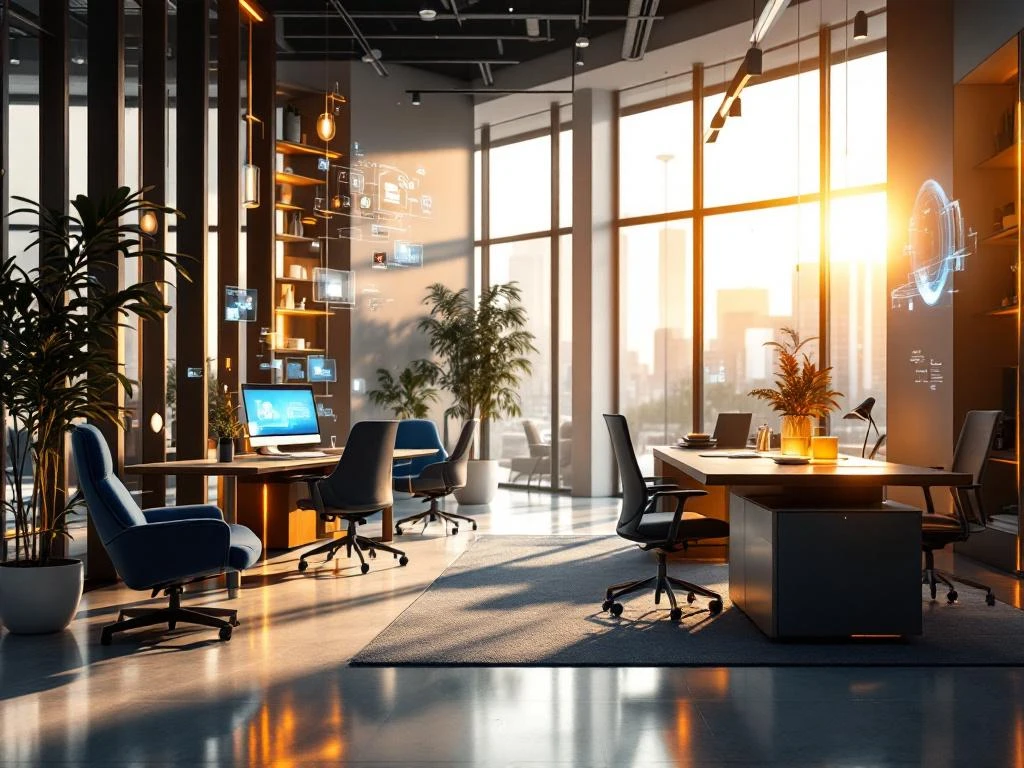
Smart office-oplossingen zijn technologieën die je kantoor intelligenter maken door automatisering en data-analyse. Deze systemen helpen je energie te besparen, de productiviteit te verhogen en werkplekken efficiënter te benutten. Van slimme verlichting tot geautomatiseerde vergaderruimtes: er zijn diverse opties beschikbaar die je kantooromgeving kunnen transformeren tot een moderne, efficiënte werkplek.
Wat zijn smart office-oplossingen eigenlijk?
Smart office-oplossingen zijn geïntegreerde technologieën die je kantooromgeving automatisch aanpassen aan de behoeften van werknemers. Ze gebruiken sensoren, internetverbinding en kunstmatige intelligentie om taken te automatiseren, data te verzamelen en de werkplek te optimaliseren zonder handmatige tussenkomst.
Deze technologieën werken samen om een intelligente werkomgeving te creëren. Sensoren detecteren beweging, temperatuur en luchtkwaliteit. Deze informatie wordt verwerkt door centrale systemen die automatisch aanpassingen maken. Zo gaat de verlichting aan wanneer je een ruimte binnenloopt, wordt de temperatuur aangepast op basis van het aantal aanwezige personen en ontvang je meldingen over beschikbare werkplekken.
Het doel is om je werkdag soepeler te laten verlopen. Je hoeft niet meer te zoeken naar een vrije vergaderruimte of handmatig de airconditioning aan te passen. Het kantoor ‘denkt’ mee en anticipeert op jouw behoeften.
Welke smart office-technologieën zijn er beschikbaar?
Er zijn verschillende categorieën smart office-technologieën beschikbaar, elk met specifieke functies. Slimme verlichting past zich automatisch aan op daglicht en aanwezigheid. Klimaatbeheersing regelt temperatuur en luchtkwaliteit op basis van bezetting. Toegangssystemen bieden keyless entry en beveiliging.
Vergaderruimte-automatisering is bijzonder handig. Deze systemen laten je ruimtes reserveren via een app, starten automatisch presentaties en passen audiovisuele instellingen aan. Werkplekbeheersoftware toont beschikbare bureaus en helpt bij het plannen van je kantoordag.
Andere populaire oplossingen zijn slimme printers die onderhoud voorspellen, beveiligingscamera’s met gezichtsherkenning en sensoren die luchtkwaliteit monitoren. Geluidsmaskeringssystemen creëren betere akoestiek, terwijl slimme koffieautomaten je favoriete drankje onthouden.
Hoe kies je de juiste smart office-oplossingen voor jouw kantoor?
Begin met het analyseren van je huidige kantooruitdagingen. Welke problemen ervaren jouw medewerkers dagelijks? Zijn er vaak discussies over temperatuur, is het moeilijk om vergaderruimtes te vinden of wordt er energie verspild? Identificeer deze knelpunten voordat je technologie gaat selecteren.
Je budget bepaalt welke oplossingen haalbaar zijn. Start met basisautomatisering, zoals slimme verlichting en thermostaten: deze hebben vaak de beste kosten-batenverhouding. Grotere kantoren profiteren meer van werkplekbeheer en toegangssystemen, terwijl kleinere bedrijven kunnen beginnen met slimme vergaderruimte-oplossingen.
Denk ook aan de technische mogelijkheden van je gebouw. Oudere panden hebben mogelijk beperkte bekabeling of wifi-dekking. Sommige systemen vereisen professionele installatie, andere kun je zelf implementeren. Betrek je IT-afdeling bij de beslissing om compatibiliteit te waarborgen.
Wat zijn de voordelen van smart office-oplossingen?
Energiebesparing is vaak het meest zichtbare voordeel. Slimme systemen schakelen automatisch verlichting en klimaatbeheersing uit in lege ruimtes. Dit kan je energierekening met 20–30% verlagen. Daarnaast verbetert de werknemerservaring doordat frustraties over temperatuur, verlichting en ruimtegebrek afnemen.
Verhoogde productiviteit ontstaat door minder tijd te verspillen aan praktische zaken. Werknemers hoeven niet meer te zoeken naar vrije werkplekken of handmatig apparatuur in te stellen. Ze kunnen zich focussen op hun eigenlijke werk.
Betere ruimtebenutting helpt bij kostenreductie. Data laat zien welke ruimtes onderbenut zijn, zodat je weloverwogen beslissingen kunt nemen over de kantoorindeling. Sommige bedrijven ontdekken dat ze minder vierkante meters nodig hebben dan gedacht.
De gezondheid van werknemers verbetert door constante monitoring van luchtkwaliteit en temperatuur. Automatische aanpassingen zorgen voor een comfortabele werkplek, wat ziekteverzuim kan verminderen.
Hoe Wout Monseurs helpt met smart office-oplossingen
Wij begeleiden je door het hele proces van smart office-implementatie: van de eerste analyse van je huidige kantoor tot en met de volledige installatie en training van je team. Onze ervaring met projectinrichting betekent dat we precies weten welke technologieën het beste bij jouw specifieke situatie passen.
We werken samen met gerenommeerde leveranciers om je de beste smart office-oplossingen aan te bieden. Of je nu een klein kantoor hebt dat wil beginnen met basisautomatisering of een groot bedrijf dat een volledig geïntegreerd systeem nodig heeft: wij hebben de expertise om je te helpen.
Wil je weten welke smart office-oplossingen perfect bij jouw kantoor passen? Neem contact met ons op voor een vrijblijvend adviesgesprek. We bespreken je wensen en maken een plan dat past bij je budget en ambities.
Veelgestelde vragen
Hoe lang duurt de implementatie van smart office-oplossingen gemiddeld?
De implementatietijd hangt af van de omvang van je project. Eenvoudige oplossingen zoals slimme verlichting kunnen binnen 1-2 weken geïnstalleerd worden, terwijl uitgebreide systemen met werkplekbeheer en toegangscontrole 4-8 weken kunnen duren. Wij maken vooraf een duidelijk tijdschema zodat je weet wat je kunt verwachten.
Wat gebeurt er als het internet uitvalt? Werken de systemen dan nog steeds?
De meeste moderne smart office-systemen hebben lokale back-upmodi. Basisfuncties zoals verlichting en toegang blijven werken, maar geavanceerde functies zoals remote monitoring en app-bediening zijn tijdelijk niet beschikbaar. Na internetverbinding worden alle systemen automatisch gesynchroniseerd.
Kunnen smart office-oplossingen worden geïntegreerd met onze bestaande IT-infrastructuur?
Ja, de meeste systemen zijn ontworpen voor integratie met bestaande netwerken en software. We voeren altijd eerst een compatibiliteitsanalyse uit en werken samen met je IT-team om naadloze integratie te waarborgen. Indien nodig adviseren we over netwerkupgrades.
Welke onderhoud en support is nodig na de installatie?
Smart office-systemen vereisen minimaal onderhoud, maar we bieden verschillende servicecontracten aan. Deze omvatten software-updates, preventief onderhoud en 24/7 technische support. De meeste systemen melden zelf wanneer onderhoud nodig is, waardoor problemen proactief opgelost worden.
Hoe zit het met privacy en databeveiliging bij smart office-systemen?
Privacy en beveiliging staan centraal in onze aanpak. Alle systemen voldoen aan GDPR-wetgeving, data wordt lokaal opgeslagen waar mogelijk, en we implementeren encryptie en toegangscontroles. Werknemers hebben altijd inzage in welke data verzameld wordt en kunnen opt-out opties gebruiken.
Wat zijn de typische terugverdientijden van smart office-investeringen?
De meeste bedrijven zien hun investering binnen 2-4 jaar terugverdiend door energiebesparingen, verhoogde productiviteit en betere ruimtebenutting. Energiebesparingen alleen kunnen al 20-30% van je energiekosten schelen. We maken altijd een ROI-berekening specifiek voor jouw situatie.
Kunnen we stapsgewijs uitbreiden of moeten we alles in één keer implementeren?
Stapsgewijze uitbreiding is zeker mogelijk en vaak aan te raden. Je kunt beginnen met basisoplossingen zoals slimme verlichting en later uitbreiden met werkplekbeheer of toegangssystemen. We ontwerpen een toekomstbestendige infrastructuur die eenvoudig uit te breiden is naarmate je behoeften groeien.