

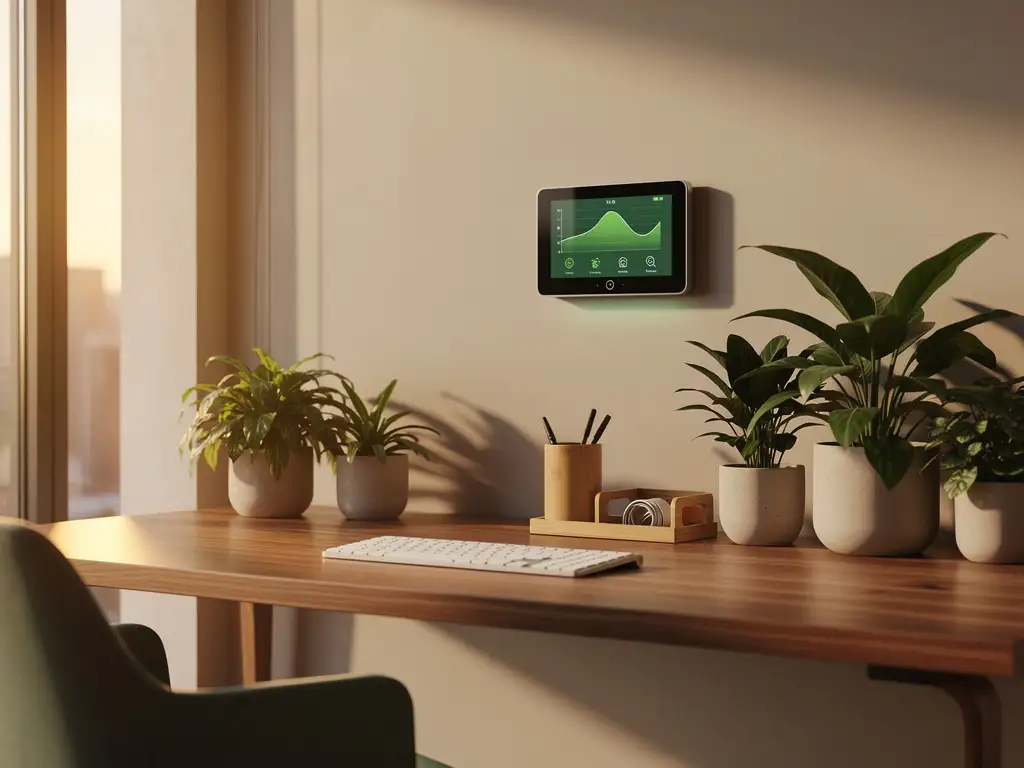
Moderne kantoren staan voor de uitdaging om productiviteit en comfort te combineren met verantwoordelijkheid voor het milieu. Smart office-systemen bieden een krachtige oplossing door technologie in te zetten voor zowel efficiëntie als duurzaamheid. Deze intelligente kantooroplossingen maken gebruik van sensoren, automatisering en data-analyse om het energieverbruik te optimaliseren en afval te minimaliseren.
Van slimme verlichting die zich automatisch aanpast aan natuurlijk licht tot bezettingssensoren die het ruimtegebruik monitoren: de mogelijkheden voor duurzame smart office-implementatie zijn uitgebreid. Voor bedrijven die overwegen te investeren in deze technologieën, is het belangrijk te begrijpen welke systemen de grootste impact hebben op zowel operationele kosten als milieuprestaties.
Wat zijn smart office-systemen en hoe dragen ze bij aan duurzaamheid?
Smart office-systemen zijn geïntegreerde technologieoplossingen die IoT-sensoren, automatisering en data-analyse gebruiken om kantooromgevingen intelligenter en efficiënter te maken. Deze systemen dragen bij aan duurzaamheid door het energieverbruik te optimaliseren, afval te reduceren en het ruimtegebruik te maximaliseren.
De duurzaamheidsvoordelen van smart office-technologie zijn aanzienlijk. Slimme verlichtingssystemen kunnen de energiekosten tot 90% verlagen door automatisch te reageren op natuurlijk licht en aanwezigheid. HVAC-systemen die gekoppeld zijn aan bezettingssensoren verwarmen en koelen alleen ruimtes die daadwerkelijk in gebruik zijn, wat resulteert in substantiële energiebesparingen.
Deze systemen verzamelen continu data over ruimtegebruik, energieverbruik en werknemersgedrag. Deze informatie stelt facility managers in staat om weloverwogen beslissingen te nemen over ruimteoptimalisatie en energiebeheer. Bovendien ondersteunen smart office-systemen de principes van de circulaire economie door materiaalstromen te monitoren en onderhoudscycli te optimaliseren.
Welke energiebesparende smart office-oplossingen zijn er beschikbaar?
Energiebesparende smart office-oplossingen omvatten slimme verlichting met daglichtregeling, intelligente HVAC-systemen, smart power management voor apparatuur en geautomatiseerde zonering die alleen energie levert waar dat nodig is. Deze technologieën kunnen gezamenlijk tot 40% energiereductie realiseren.
Slimme verlichtingssystemen vormen vaak de basis voor energiebesparing. Deze systemen gebruiken sensoren om aanwezigheid te detecteren en passen de lichtintensiteit automatisch aan op basis van beschikbaar daglicht. LED-verlichting, gecombineerd met dimfunctionaliteit, zorgt voor optimaal energiegebruik zonder in te leveren op comfort.
Intelligente klimaatbeheersing gaat verder dan traditionele thermostaten. Moderne systemen leren van gebruikerspatronen en passen de temperatuur proactief aan. Ze kunnen verschillende zones onafhankelijk bedienen en reageren op factoren zoals buitentemperatuur, zonnestraling en kantoorbezetting.
Smart power management-systemen monitoren en beheren het energieverbruik van alle aangesloten apparaten. Ze kunnen apparatuur automatisch in stand-by zetten wanneer deze niet wordt gebruikt en bieden inzicht in energieverspillende toestellen. Deze systemen identificeren ook apparatuur die vervangen moet worden door energiezuinigere alternatieven.
Hoe helpen bezettingssensoren bij duurzaam ruimtegebruik?
Bezettingssensoren monitoren in real time de aanwezigheid in kantoorruimtes en optimaliseren automatisch verlichting, klimaatbeheersing en ventilatie op basis van daadwerkelijk gebruik. Deze sensoren kunnen de ruimtebenutting met 20–30% verbeteren door inzicht te geven in gebruikspatronen en onderbenutting te identificeren.
Deze sensoren verzamelen waardevolle data over hoe en wanneer ruimtes worden gebruikt. Facility managers kunnen deze informatie gebruiken om werkplekindelingen te optimaliseren en overbodige ruimtes te identificeren. Dit leidt tot betere ruimte-efficiëntie en lagere vastgoedkosten per medewerker.
Bezettingssensoren ondersteunen ook flexibel werken door in real time beschikbaarheidsinformatie te verstrekken. Medewerkers kunnen via apps zien welke werkplekken en vergaderruimtes beschikbaar zijn, wat zorgt voor een betere ruimteverdeling en minder zoektijd. Dit verhoogt zowel de efficiëntie als de medewerkerstevredenheid.
De energiebesparingen door bezettingssensoren zijn substantieel. Verlichting en klimaatbeheersing worden alleen geactiveerd in bezette ruimtes, wat vooral in grote kantoorgebouwen aanzienlijke kostenbesparingen oplevert. Bovendien helpen deze systemen bij het naleven van duurzaamheidscertificeringen zoals BREEAM en LEED.
Welke rol speelt smart waste management in duurzame kantoren?
Smart waste management-systemen gebruiken sensoren in afvalbakken om vullingsniveaus te monitoren en afvalophaalroutes te optimaliseren. Deze systemen reduceren afvaltransport met tot 30% en verbeteren recyclingpercentages door in real time inzicht te geven in afvalstromen en geautomatiseerde sortering.
Slimme afvalbakken zijn uitgerust met sensoren die het vullingsniveau meten en automatisch meldingen versturen wanneer lediging nodig is. Dit voorkomt overvolle bakken en optimaliseert de ophaalfrequentie. Facility managers kunnen routes plannen op basis van de daadwerkelijke behoefte in plaats van vaste schema’s.
Deze systemen bieden ook waardevolle data over afvalpatronen per afdeling of ruimte. Organisaties kunnen deze informatie gebruiken om bewustzijn te creëren over afvalproductie en gerichte campagnes op te zetten voor afvalreductie. Sommige systemen kunnen zelfs verschillende afvalstromen automatisch identificeren en sorteren.
Smart waste management draagt bij aan de doelstellingen van de circulaire economie door recycling te optimaliseren en afvalstromen transparant te maken. Bedrijven kunnen hun milieu-impact nauwkeurig meten en rapporteren, wat essentieel is voor duurzaamheidsrapportages en certificeringen.
Hoe draagt smart building automation bij aan CO2-reductie?
Smart building automation reduceert de CO2-uitstoot door geïntegreerde systemen die het energieverbruik optimaliseren, hernieuwbare energie maximaal benutten en gebouwprestaties continu monitoren. Deze systemen kunnen de CO2-uitstoot met 25–40% verlagen door intelligente coördinatie van alle gebouwsystemen.
Geautomatiseerde gebouwbeheersystemen coördineren verlichting, klimaatbeheersing, ventilatie en andere energieverbruikende systemen als één intelligent netwerk. Deze holistische benadering voorkomt energieverspilling door conflicterende systemen en optimaliseert het totale energieverbruik van het gebouw.
Smart automation-systemen kunnen ook naadloos integreren met hernieuwbare energiebronnen zoals zonnepanelen en energieopslag. Ze verschuiven energie-intensieve processen naar momenten met een hoge duurzame energieproductie en minimaliseren de afhankelijkheid van fossiele brandstoffen tijdens piekuren.
Continue monitoring en machine learning-algoritmen zorgen ervoor dat deze systemen steeds efficiënter worden. Ze leren van historische data, weersvoorspellingen en gebruikerspatronen om proactief energie-instellingen aan te passen. Deze voorspellende benadering maximaliseert energiebesparingen en minimaliseert de CO2-uitstoot.
Hoe Wout Monseurs helpt met smart office-implementatie
Wij ondersteunen organisaties bij het implementeren van duurzame smart office-oplossingen die perfect aansluiten bij hun specifieke behoeften en duurzaamheidsdoelstellingen. Onze Smart Office dienstverlening omvat een totaalaanpak van advies tot realisatie.
Onze dienstverlening voor duurzame smart office-implementatie omvat:
- Energieaudit en analyse van huidige systemen om besparingspotentieel te identificeren
- Ontwerp en implementatie van geïntegreerde smart office-oplossingen
- Bezettingssensoren en ruimteoptimalisatiesystemen voor maximale efficiëntie
- Smart building automation die alle gebouwsystemen intelligent coördineert
- Training en ondersteuning voor optimaal gebruik van de nieuwe systemen
- Continue monitoring en optimalisatie voor blijvende energiebesparingen
Met meer dan 60 jaar ervaring in kantoorinrichting combineren wij traditionele expertise met geavanceerde smart office-technologie. Onze projectinrichting aanpak zorgt ervoor dat duurzame technologie naadloos integreert met uw werkplekomgeving. Neem contact op voor een vrijblijvend adviesgesprek over de mogelijkheden voor uw kantoor.
Veelgestelde vragen
Wat zijn de initiële kosten voor het implementeren van smart office-systemen en wanneer verdienen ze zichzelf terug?
De initiële investering voor smart office-systemen varieert van €5.000 tot €50.000 per 1000m² kantoorruimte, afhankelijk van de gekozen oplossingen. Door energiebesparingen van 25-40% verdienen de meeste systemen zichzelf binnen 2-4 jaar terug. Slimme verlichting heeft vaak de snelste terugverdientijd van 12-24 maanden.
Kunnen smart office-systemen worden geïntegreerd in bestaande kantoorgebouwen of zijn ze alleen geschikt voor nieuwbouw?
Smart office-systemen zijn uitstekend geschikt voor retrofit in bestaande gebouwen. Draadloze sensoren en cloud-gebaseerde systemen maken installatie mogelijk zonder grote verbouwingen. Vaak kunnen bestaande systemen worden uitgebreid met slimme componenten, waardoor een gefaseerde implementatie mogelijk is die het dagelijkse werk niet verstoort.
Hoe gaan smart office-systemen om met privacy van medewerkers, vooral bij het gebruik van bezettingssensoren?
Moderne bezettingssensoren detecteren alleen aanwezigheid, niet wie er aanwezig is. De systemen voldoen aan GDPR-richtlijnen door anonieme data te verzamelen en geen persoonlijke informatie op te slaan. Transparante communicatie naar medewerkers over dataverzameling en -gebruik is essentieel voor acceptatie en vertrouwen.
Welke veelgemaakte fouten moet ik vermijden bij het implementeren van smart office-technologie?
Veel bedrijven beginnen te groot of kiezen systemen die niet compatibel zijn met elkaar. Start met een pilot in één gebied, kies voor open standaarden die integratie mogelijk maken, en betrek medewerkers vroeg bij het proces. Vergeet ook niet om budget vrij te maken voor training en change management – technologie is alleen succesvol als mensen het daadwerkelijk gebruiken.
Hoe meet ik het succes en de duurzaamheidsimpact van mijn smart office-investering?
Stel vooraf duidelijke KPI’s vast zoals energieverbruik per m², CO2-uitstoot, ruimtebenutting en medewerkerstevredenheid. De meeste smart office-systemen bieden dashboards met real-time data en rapportages. Meet zowel kwantitatieve resultaten (energiebesparingen, kostenreductie) als kwalitatieve aspecten (werknemerstevredenheid, productiviteit).
Wat gebeurt er als het smart office-systeem uitvalt of technische problemen heeft?
Professionele smart office-systemen hebben ingebouwde redundantie en failsafe-mechanismen. Bij systeemuitval schakelen ze automatisch over op handmatige bediening of veilige standaardinstellingen. Kies altijd voor leveranciers die 24/7 ondersteuning bieden en lokale servicecentra hebben. Een goed onderhoudscontract voorkomt de meeste problemen proactief.
Kan ik smart office-systemen combineren met duurzaamheidscertificeringen zoals BREEAM of LEED?
Ja, smart office-systemen dragen significant bij aan BREEAM en LEED-punten, vooral in categorieën zoals energie, innovatie en management. De data die deze systemen verzamelen vereenvoudigen ook de rapportage voor certificeringen. Zorg ervoor dat uw systemen voldoen aan de specifieke eisen van de gewenste certificering en documenteer alle energiebesparingen zorgvuldig.