

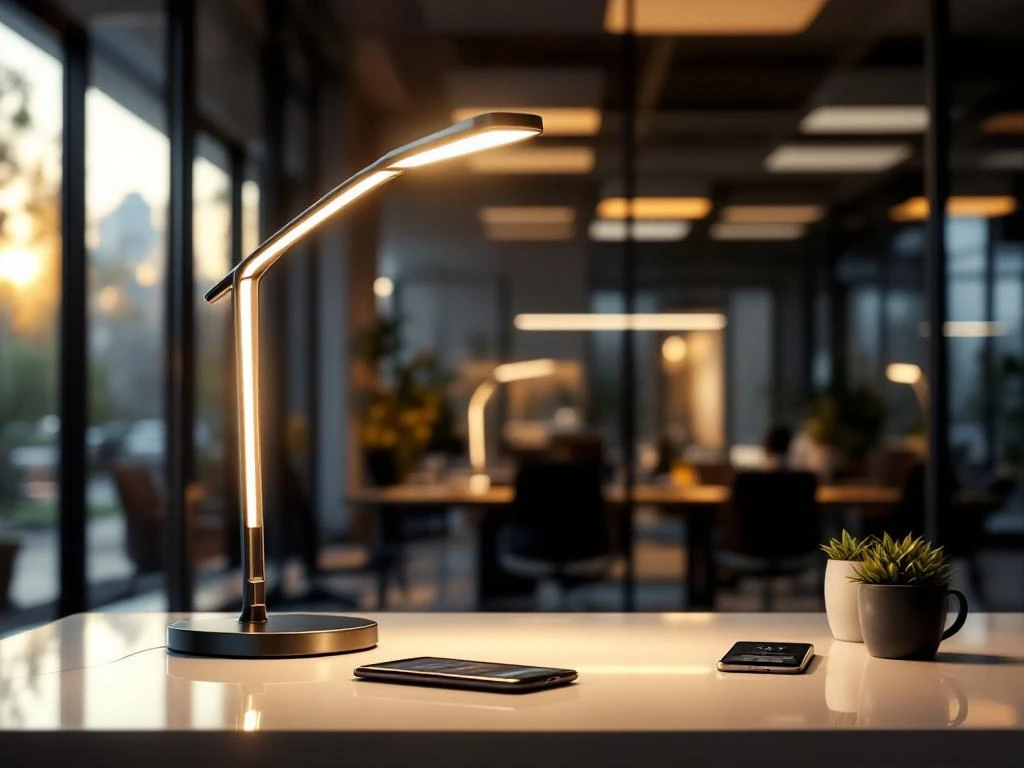
Smart office lighting systems are intelligent lighting solutions that automatically respond to environmental factors such as presence, daylight, and time. These systems use sensors and smart technology to save energy, improve employee comfort, and increase productivity. From motion sensors to automatic dimming, there are various types of smart office lighting systems available for modern offices.
What exactly are smart office lighting systems?
Smart office lighting systems are intelligent lighting solutions that use sensors, software, and network connections to automatically adjust lighting to the needs of users and environmental conditions. These systems can independently make decisions about when lights turn on or off, how brightly they shine, and what color temperature they use.
The main difference with traditional lighting lies in intelligence and automation. Whereas ordinary switches require manual operation, smart office systems automatically detect presence, measure light intensity, and adjust without human intervention. This technology is part of the broader Internet of Things (IoT) ecosystem.
Companies are switching to smart lighting solutions because of the significant energy savings, improved employee comfort, and lower maintenance costs. The systems also provide valuable data on space utilization and can integrate with other smart office technologies, such as climate control and security systems.
What types of sensors are used in smart office lighting?
Motion sensors detect physical movement in a room and automatically switch on the lighting when someone enters. These sensors are ideal for corridors, restrooms, and meeting rooms that are not permanently occupied. They ensure that the light is only on when needed and switch off after a set period of inactivity.
Daylight sensors measure the amount of natural light entering a room and adjust the artificial lighting accordingly. On sunny days, these systems automatically dim the lights, while on cloudy days they increase the intensity to maintain a consistent light level.
Presence sensors go beyond motion detection by also registering small movements, such as typing or breathing. These advanced sensors prevent the lights from turning off when people are working quietly at their desks. Temperature sensors can help optimize both lighting and climate control by analyzing user patterns.
How does automatic dimming work in smart office systems?
Automatic dimming uses light intensity sensors that continuously measure the ambient light and adjust the artificial lighting accordingly. The system aims to maintain a constant, comfortable light level by gradually making LED lamps brighter or darker, depending on the amount of daylight available.
Advanced systems also support circadian rhythms by adjusting color temperature throughout the day. In the morning, they produce cooler, bluer light that promotes alertness, while in the evening they switch to warmer light that encourages relaxation.
This technology significantly contributes to eye comfort by preventing sudden light changes and minimizing screen reflections. Employees experience less eye strain and headaches, resulting in higher productivity and well-being. The system also adapts to individual preferences by storing personal light profiles.
What are the benefits of LED-based smart lighting systems?
LED technology combined with smart controls can reduce energy costs by up to 80% compared to traditional lighting systems. LED lamps consume less power, produce less heat, and have a lifespan of 25,000 to 50,000 hours, which equates to 10 to 20 years of normal use.
The ability to adjust the color temperature offers extra flexibility for different work tasks. Cooler light supports concentrated work, while warmer light is suitable for brainstorming sessions and informal meetings. These adjustments are made automatically based on the time of day and room usage.
Maintenance of LED smart lighting systems is minimal because defective lamps are automatically reported and their long service life makes replacements rare. The return on investment is usually achieved within two to four years through a combination of energy savings and lower maintenance costs.
How do you choose the right smart office lighting system?
When selecting a smart office lighting system, you need to consider the size and layout of your office space, the number of workstations, and the different zones, each of which has its own lighting requirements. Open-plan offices require different solutions than individual offices or meeting rooms.
Compatibility with existing infrastructure is crucial. Some systems operate via existing electrical wiring, while others utilize wireless connections. Also consider scalability: can the system grow with your business as it expands or relocates to a larger location?
Integration capabilities with other smart office technologies, such as climate control, security systems, and space management software, can offer additional value. Budget considerations include not only the initial investment, but also installation costs, training, and potential infrastructure modifications.
How Wout Monseurs assists with smart office lighting solutions
We offer a comprehensive approach to smart office lighting systems, from analyzing your current situation to implementation and maintenance. Our team assesses your office space, work processes, and energy goals to select the most suitable system that perfectly matches your specific needs.
Our services include:
- Free consultation and space analysis for optimal system selection
- Custom design that integrates with your existing office layout
- Professional installation by certified technicians
- Training for your employees and ongoing technical support
With over 60 years of experience in office solutions, we combine traditional expertise with the latest smart office technology. Contact us for a no-obligation consultation on how smart lighting systems can transform your office environment and reduce your energy costs. For more information about our company and our experience, please view our company information or return to the home page.
Frequently asked questions
How long does it take to install a smart office lighting system?
The installation time depends on the size of your office and the complexity of the system. For an average office of 200-500m², installation usually takes 1-3 business days. With existing wiring, installation can be faster, while wireless systems are often operational within one day.
Can smart lighting systems operate during power outages?
Most smart office lighting systems have an emergency lighting function that activates automatically in the event of a power failure. Battery backup units ensure that essential areas such as exits and corridors remain illuminated. The system also saves all settings and automatically resumes normal operation when power is restored.
What happens if sensors become defective or malfunction?
Smart lighting systems have built-in diagnostics that automatically detect faulty sensors and report them via the management software. Most systems have a manual override function, so that the lighting continues to operate normally until repairs are carried out. Many systems can also temporarily compensate by using nearby sensors.
Can employees still adjust the smart lighting manually?
Yes, most smart office systems offer various control options. Employees can adjust the lighting in their work area via wall panels, smartphone apps, or desktop applications. Personal preferences are saved and automatically applied when they take their place at work.
How privacy-sensitive is the data collected by smart lighting systems?
Smart lighting systems primarily collect anonymous data about space usage and lighting patterns, not personal information. Most systems comply with GDPR regulations and use encryption for data transfer. Companies can decide for themselves what data is stored and how long it is retained.
What are the most common problems when switching to smart lighting?
The biggest challenges are often insufficient WiFi coverage for wireless systems, employee resistance to change, and underestimating training needs. Proper preparation with network analysis, employee communication, and extensive training prevents most problems. It is also important to transition gradually rather than all zones at once.