

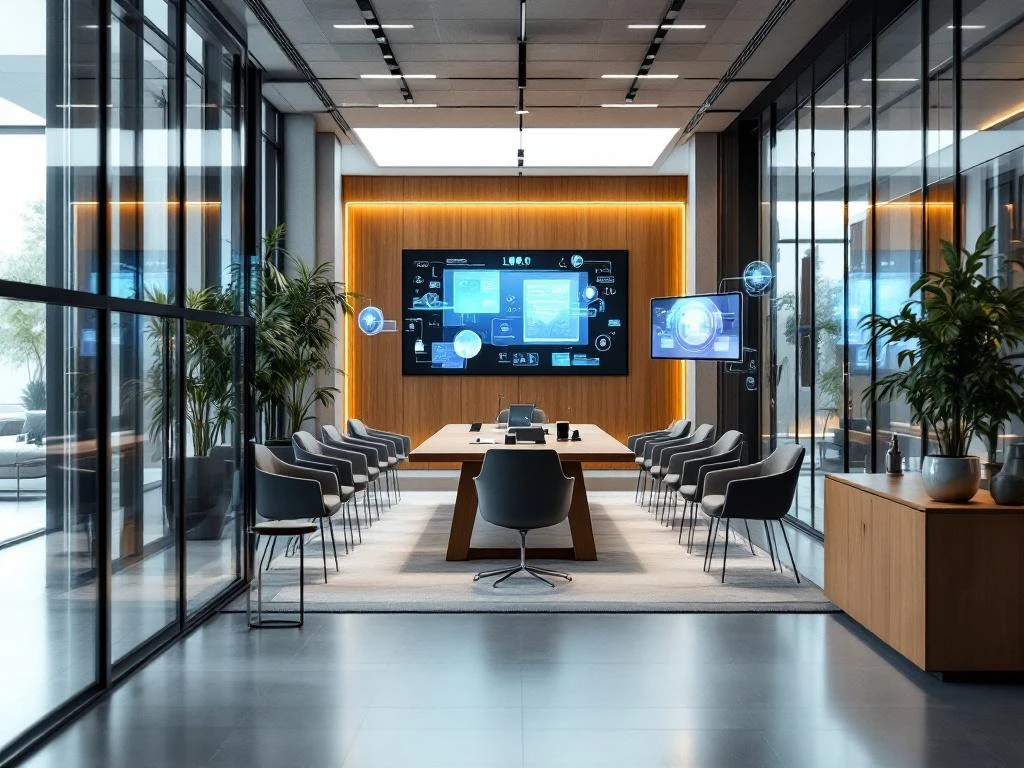
A smart office utilizes technologies such as IoT sensors, smart lighting, automated climate control, cloud solutions, and digital collaboration platforms. These systems work together to create an efficient, comfortable working environment that adapts to the needs of users. From automatic desk bookings to energy-saving systems, modern offices are becoming increasingly intelligent thanks to these connected technologies.
What is a smart office and how does it work?
A smart office is a workspace that uses connected technologies to automate processes, increase efficiency, and improve the work experience. It combines Internet of Things (IoT) devices, cloud software, and intelligent systems that collect and respond to real-time data.
The basic principles revolve around connectivity and automation. Sensors measure occupancy, temperature, and air quality, for example. This data is processed by central systems that automatically make adjustments, such as dimming the lights when no one is present or increasing the temperature for a meeting.
Different technologies work together via a network. Your smartphone communicates with the building management system, smart screens display relevant information, and digital platforms ensure seamless collaboration. This creates a working environment that adapts to your work patterns and preferences.
Which IoT devices make your office truly smart?
The most important IoT devices in a smart office are motion sensors, smart thermostats, connected lighting, and digital access systems. These devices collect data on space usage, climate, and security to automatically implement optimizations.
Motion sensors detect presence and adjust lighting and climate accordingly. Smart thermostats learn from usage patterns and ensure optimal temperatures while saving energy. Connected LED lighting adapts to daylight and activities.
Security systems use smart cameras and access cards that enable real-time monitoring. Air quality sensors measureCO2 levels and ventilation. Smart screens in meeting rooms integrate with calendar systems for automatic bookings and presentations.
Other useful devices include smart printers that predict maintenance needs, connected coffee machines, and even smart desks that automatically adjust their height to suit user preferences.
How does smart office automation improve your productivity?
Smart automation saves time by taking over routine tasks and streamlining work processes. Employees spend less time manually adjusting lighting, temperature, or searching for available meeting rooms.
Automatic desk bookings via apps ensure that you always have a place to work. Smart calendar systems reserve meeting rooms and automatically set the correct settings for presentations. This eliminates waiting times and technical problems.
Energy management happens automatically: lighting and climate adjust without anyone having to think about it. This allows employees to focus fully on their most important tasks.
Smart notifications alert you to maintenance issues before devices break down. Automatic reports on space usage help optimize office layouts. This prevents disruptions and ensures a smoother working day.
What software and apps belong in a modern smart office?
A modern smart office runs on cloud-based platforms, collaboration tools, and mobile apps that connect all systems. Microsoft 365, Google Workspace, and Slack often form the basis for digital collaboration and communication.
Building management software centralizes control over lighting, climate, and security. Apps such as Condeco or Robin help with booking workspaces and meeting rooms. These often integrate with calendar systems for automatic reservations.
Project management tools such as Asana, Trello, or Monday.com provide overview and planning. Video conferencing platforms such as Teams or Zoom integrate with smart screens and sound systems in meeting rooms.
Mobile apps give employees control over their environment, from adjusting desk height to dimming lighting. Analytics dashboards provide managers with insights into space utilization, energy consumption, and employee satisfaction.
How Wout Monseurs assists with smart office solutions
Wout Monseurs guides companies through the entire transition to a smart office. We analyze your current situation, advise you on the best technological solutions, and ensure seamless implementation that fits your work processes and budget.
Our team has experience integrating smart furniture from top brands such as Wini and Interstuhl with modern office automation. We ensure that all systems, from smart desks to digital collaboration platforms, work together seamlessly.
We also offer ongoing support and training so that your team can get the most out of all the smart office features. From the initial design drawing to the maintenance of your systems, we think along with you about the future of your workplace.
Ready to transform your office into a smart, efficient working environment? Contact us for a no-obligation consultation about the possibilities for your organization.
Frequently asked questions
What are the costs of implementing a smart office?
The costs vary greatly depending on the size of your office and the desired functionalities. A basic implementation with smart lighting and thermostats starts at around €5,000-10,000 for a small office. Comprehensive solutions with IoT sensors, smart furniture, and full automation can cost up to €50,000-100,000 for medium-sized companies. We always recommend a phased approach to spread the investment.
How long does it take to implement a smart office system?
The implementation time depends on the complexity of your project. Simple solutions such as smart lighting and desk booking systems are operational within 2-4 weeks. Complete smart office transformations with IoT integration, customized furniture, and extensive automation usually take 3-6 months, including planning, installation, and employee training.
What technical requirements does my office need for a smart office?
A stable internet connection and WiFi network are essential, preferably with a minimum speed of 100 Mbps for smaller offices. You will also need sufficient power supply for IoT devices and possibly network cabling for sensors. Most modern offices already meet these basic requirements, but we always perform a technical analysis to identify specific needs.
How can I protect the data in my smart office against cyber threats?
Data security requires a multi-layered approach: always use encrypted connections, schedule regular software updates for all devices, and implement strong access controls. Work with reliable suppliers who are GDPR compliant and opt for cloud solutions with enterprise-level security. We also recommend setting up a separate network for IoT devices to protect your main network.
Can existing office furniture be integrated into a smart office?
Yes, many existing pieces of furniture can be made smart through retrofit solutions. Ordinary desks can be equipped with height sensors and motors, existing lighting can be replaced with smart LED systems, and traditional meeting rooms can be fitted with smart screens and sensors. This is often more cost-effective than replacing everything and allows for a gradual transition.
How do I train my employees to work effectively with smart office technology?
Start with hands-on training sessions in which employees learn the most important functions, such as desk bookings, climate control via apps, and the use of smart meeting rooms. Create instruction cards for frequently used functions and appoint "smart office ambassadors" who can help colleagues. Regular refresher sessions and a help desk for technical questions ensure continued adoption and satisfaction.