

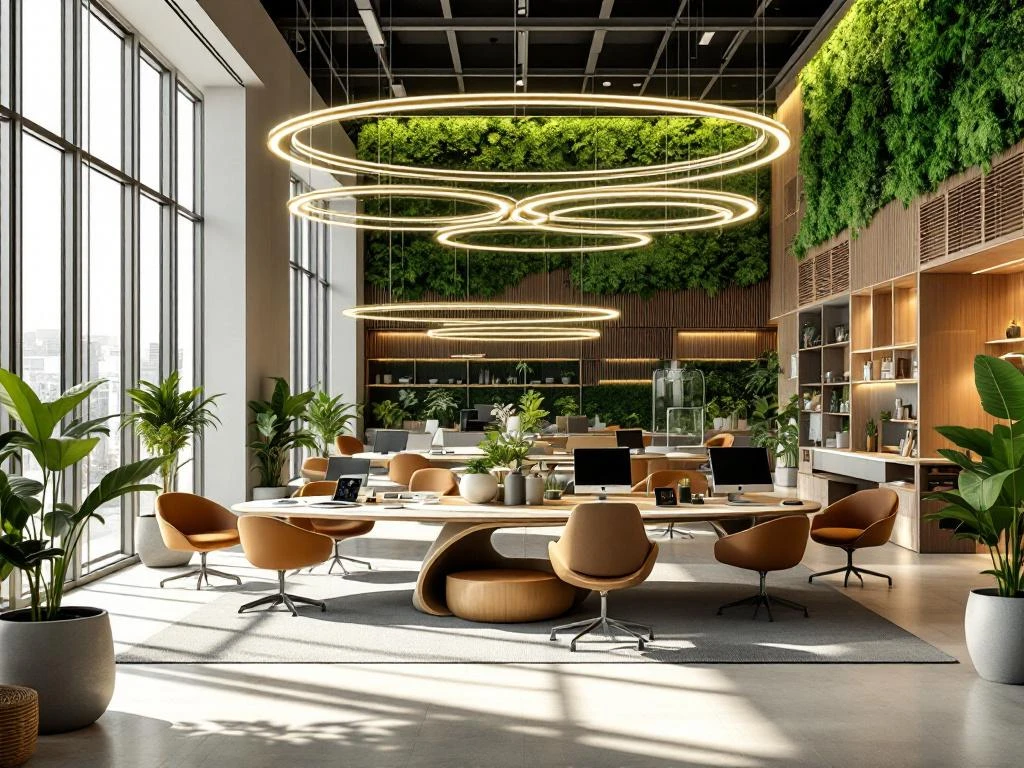
De projectinrichting van 2026 wordt gedomineerd door flexibele werkplekconcepten, slimme technologie-integratie en duurzame materialen. Hybride werkomgevingen en activity-based working bepalen de ruimte-indeling, terwijl welzijn en ergonomie centraal staan in moderne kantoorontwerpen. Deze trends transformeren hoe we kantoren inrichten en gebruiken.
Welke werkplekconcepten domineren projectinrichting in 2026?
Hybride werkomgevingen en activity-based working zijn de belangrijkste concepten die de projectinrichting in 2026 bepalen. Kantoren transformeren naar flexibele ruimtes die verschillende werkstijlen ondersteunen, van focuswerk tot samenwerking. Deze concepten vereisen modulair meubilair en aanpasbare zones.
Activity-based working betekent dat je verschillende zones creëert voor specifieke activiteiten. Denk aan stille werkplekken voor concentratie, open ruimtes voor brainstormsessies en informele ontmoetingsplekken voor spontane gesprekken. Dit concept werkt vooral goed voor bedrijven met gevarieerde werktaken.
Flexibele werkplekken passen zich aan wisselende teamgroottes en projectbehoeften aan. Modulaire bureausystemen laten je snel schakelen van individuele werkplekken naar teamtafels. Dit is praktisch voor bedrijven die regelmatig projectteams samenstellen of seizoensgebonden fluctuaties hebben.
Voor mkb-bedrijven betekent dit dat je investeert in meubilair dat meerdere functies heeft, zoals een vergadertafel die ook als werkplek dient of scheidingswanden die je gemakkelijk verplaatst. Zo maak je optimaal gebruik van de beschikbare ruimte zonder in te boeten aan functionaliteit.
Hoe beïnvloedt technologie de kantoorinrichting van morgen?
Slimme kantooroplossingen en draadloze technologie integreren naadloos in meubilair en ruimte-indeling. IoT-sensoren monitoren ruimtegebruik en klimaat, terwijl draadloos laden en connectiviteit standaard worden in bureaus en vergadertafels. Deze technologie maakt kantoren efficiënter en gebruiksvriendelijker.
Digitale tools transformeren hoe we ruimtes gebruiken. Slimme boekingssystemen laten werknemers beschikbare werkplekken reserveren via een app. Sensoren registreren welke ruimtes het meest gebruikt worden, zodat je de indeling kunt optimaliseren.
Meubilair krijgt steeds meer technologische functies, zoals bureaus met geïntegreerde oplaadstations, vergadertafels met ingebouwde schermen en stoelen die je houding monitoren. Deze innovaties maken het kantoor gebruiksvriendelijker zonder dat je extra apparaten nodig hebt.
Draadloze infrastructuur bepaalt steeds meer de kantoorindeling. Je hoeft geen rekening meer te houden met stopcontacten en bekabeling bij het plaatsen van werkplekken. Dit geeft veel meer vrijheid in het ontwerpen van flexibele ruimtes die gemakkelijk aangepast kunnen worden.
Waarom wordt duurzaamheid steeds belangrijker bij projectinrichting?
Duurzame materialen en principes van de circulaire economie worden standaard in moderne kantoorinrichting. Bedrijven kiezen bewust voor herbruikbare materialen, energiezuinige verlichting en meubilair met een lange levensduur. Dit reduceert de milieu-impact en vaak ook de kosten op de lange termijn.
Circulaire projectinrichting betekent dat je meubilair ontwerpt voor hergebruik en recycling. Modulaire systemen laten je onderdelen vervangen in plaats van complete meubels wegdoen. Dit bespaart geld en vermindert afval aanzienlijk.
Energiezuinige oplossingen gaan verder dan ledverlichting. Slimme systemen passen verlichting en temperatuur automatisch aan op basis van aanwezigheid. Natuurlijke materialen zoals bamboe en gerecycled staal worden populaire keuzes voor duurzame kantoorinrichting.
Praktische tips voor duurzame keuzes: kies meubilair van lokale leveranciers om transport te beperken, investeer in kwaliteit die langer meegaat en plan voor toekomstige aanpassingen, zodat je niet alles hoeft te vervangen bij veranderingen. Deze aanpak loont zich zowel financieel als ecologisch.
Welke rol speelt welzijn in moderne kantoorontwerpen?
Biofiele designelementen en natuurlijk licht vormen de basis van welzijnsgerichte kantoorontwerpen. Planten, natuurlijke materialen en optimale luchtkwaliteit verbeteren het werkklimaat merkbaar. Ergonomische meubelen ondersteunen de fysieke gezondheid van werknemers gedurende de hele werkdag.
Natuurlijk licht heeft een grote impact op productiviteit en welzijn. Werkplekken worden daarom strategisch geplaatst bij ramen en kunstlicht imiteert natuurlijke lichtcycli. Dit helpt bij het behouden van een gezond dag-nachtritme.
Luchtkwaliteit beïnvloedt concentratie en gezondheid direct. Moderne kantoren gebruiken planten als natuurlijke luchtfilters en investeren in goede ventilatie. Sommige bedrijven installeren zelfs luchtkwaliteitssensoren die realtime feedback geven.
Ergonomische meubelen gaan verder dan in hoogte verstelbare bureaus. Moderne ergonomie houdt rekening met beweging tijdens het werk, met zit-sta-werkplekken en meubilair dat verschillende houdingen stimuleert. Dit voorkomt klachten en verhoogt het werkplezier.
Mentale gezondheid wordt ondersteund door rustige zones, natuurlijke kleuren en ruimtes voor ontspanning. Een kleine stilteruimte of een gezellige koffiehoek kan het verschil maken in hoe werknemers zich voelen op kantoor.
Hoe Wout Monseurs helpt met projectinrichting
Wout Monseurs past alle moderne trends toe in onze projectinrichting-aanpak. We ontwerpen flexibele kantooromgevingen die hybride werken ondersteunen, integreren slimme technologie naadloos in het meubilair en kiezen bewust voor duurzame materialen en ergonomische oplossingen.
Onze expertise met merken als Interstuhl, Voortman en Gispen stelt ons in staat om de nieuwste trends praktisch toe te passen. We zorgen voor een 3D-ontwerp waarin je precies ziet hoe de toekomstgerichte concepten in jouw ruimte werken.
Van het ontwerp tot de complete realisatie regelen we alles voor je. Onze persoonlijke aanpak betekent dat je één vast contactpersoon hebt die begrijpt wat jouw bedrijf nodig heeft voor een moderne, toekomstbestendige werkplek.
Wil je weten hoe wij jouw kantoor kunnen transformeren naar de standaarden van 2026? Neem contact met ons op voor een vrijblijvend gesprek over de mogelijkheden voor jouw projectinrichting.
Veelgestelde vragen
Hoe bereid ik mijn huidige kantoor voor op de overgang naar activity-based working?
Begin met het analyseren van hoe je team nu werkt en welke activiteiten het meest voorkomen. Maak een inventaris van je huidige meubilair dat herbruikt kan worden en investeer stapsgewijs in modulaire elementen. Start met één zone, zoals een stille werkplek, en breid geleidelijk uit op basis van gebruikersfeedback.
Wat zijn de grootste valkuilen bij het implementeren van hybride werkomgevingen?
De meest voorkomende fouten zijn onvoldoende technische infrastructuur, te weinig flexibele zitplekken tijdens piekdagen en het negeren van werknemersvoorkeuren. Zorg voor een goede wifi-dekking, plan 20% meer werkplekken dan je gemiddeld nodig hebt en betrek werknemers bij het ontwerpproces.
Hoe kan ik de ROI van slimme kantooroplossingen berekenen?
Meet de besparingen op energiekosten, verhoogde productiviteit door betere ruimtebenutting en lagere onderhoud. Slimme verlichting kan 30-50% energiebesparing opleveren, terwijl sensoren voor ruimteoptimalisatie tot 20% minder kantoorruimte nodig maken. Reken met een terugverdientijd van 2-4 jaar voor de meeste slimme oplossingen.
Welk budget moet ik reserveren voor een duurzame kantoorinrichting per werkplek?
Reken op €3.000-5.000 per werkplek voor een complete duurzame inrichting, inclusief ergonomisch meubilair en slimme technologie. Hoewel de initiële investering hoger is, verdien je dit terug door lagere energiekosten, minder vervangingen en hogere werknemerstevredenheid.
Hoe zorg ik ervoor dat biofiele designelementen praktisch blijven in een kantooromgeving?
Kies onderhoudsarme planten zoals sanseveria of pothos, gebruik plantenservice voor professioneel onderhoud en integreer planten in het meubilair met ingebouwde plantenbakken. Plaats planten strategisch waar ze natuurlijk licht krijgen maar niet in de weg staan van werkprocessen.
Wat moet ik doen als mijn werknemers weerstand hebben tegen de nieuwe kantoorindeling?
Communiceer de voordelen duidelijk en betrek werknemers bij het ontwerpproces. Organiseer proefperiodes waarin teams de nieuwe opzet kunnen testen en feedback kunnen geven. Bied training aan over het optimaal gebruiken van de nieuwe werkplekken en pas het ontwerp aan op basis van praktijkervaringen.
Hoe houd ik mijn kantoorinrichting toekomstbestendig voor verdere ontwikkelingen na 2026?
Investeer in modulaire systemen die gemakkelijk aangepast kunnen worden, kies technologie met updatebare software en plan extra capaciteit voor toekomstige uitbreidingen. Werk samen met een leverancier die een langetermijnvisie heeft en ondersteuning biedt voor toekomstige aanpassingen en upgrades.