

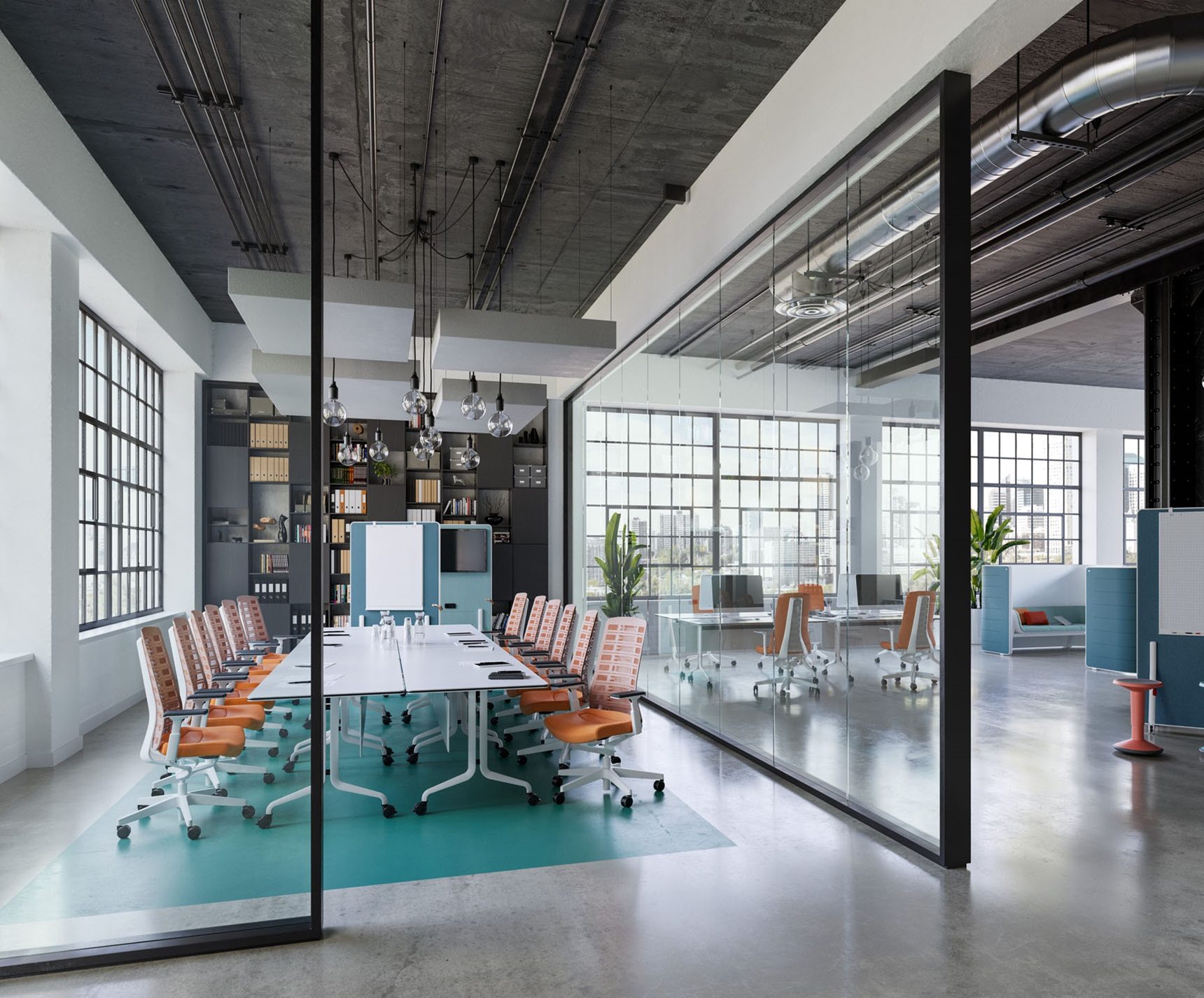
De afgelopen tijd heeft er een flinke verschuiving plaatsgevonden op het gebied van werken op kantoor. De nadelen van de kantoortuin worden steeds meer zichtbaar. Er is te weinig privacy en de slechte akoestiek zorgt voor meer stress bij werknemers. Daarnaast is de opkomst van het hybride werken versterkt door de coronacrisis. En deze toename zal zich naar verwachting deels gaan voortzetten.
Thuiswerken tijdens de pandemie liet zien dat productiviteit niet in het geding kwam. Daarentegen werkte men zelfs langere dagen waardoor er aandacht moest komen voor overuren. Het wantrouwen richting thuiswerkers is hiermee vrijwel verdwenen. Om het thuiswerken aangenamer te maken heeft men flink geïnvesteerd in het thuiskantoor. Het werken vanuit huis laat daarom ook veel lege stoelen achter op het kantoor.
Toekomstgericht kantoor
Het is belangrijk om voorbij de klassieke kantoortuin te kijken wanneer naar een toekomstgerichte kantoorinrichting gestreefd wordt. Maar hoe ziet zo’n gemoderniseerde werkomgeving eruit? Volgens experts zijn er naar verwachting minder vierkante meters nodig op kantoor. Ze merken dat er een grote vraag heerst naar het snel kunnen op- of afschalen.
We verwachten dat toekomstige kantoren af kunnen met minder vierkante meters. Bedrijven kunnen de wens voor makkelijke op- en afschaling vastleggen in contracten of gaan voor kortere contracten in verband met een onzekere toekomst. Deze trend ging ook niet onopgemerkt bij bedrijfsmakelaars. Zo zien ze op het moment vele bedrijven die plannen hebben om het kantoor af te schalen of uitbreidingen tijdelijk stopzetten.
Daarentegen is een volledige relocatie vaak niet nodig voor meer flexibiliteit, maar moet het kantoor beter worden ingericht! Er moet rekening worden gehouden met de veranderende behoeften van werknemers. Daarmee zal de verhouding tussen eigen- en gezamenlijke werkplekken moeten worden aangepast. Het kantoor vervult zo meer de rol van een ontmoetingsplek en de thuiswerkplek wordt een plek om geconcentreerd te werken.
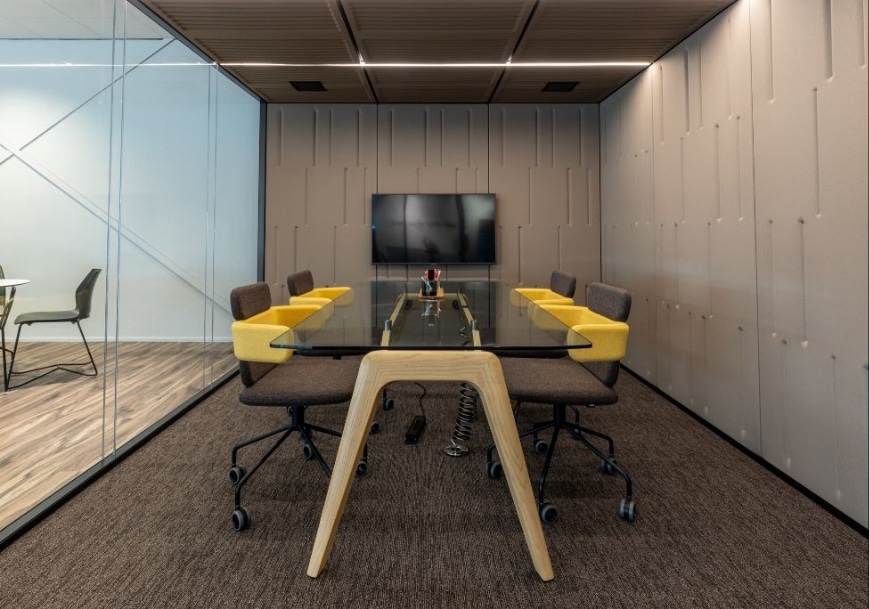
De afgelopen jaren hebben veel bedrijven ingezet op een open werkomgeving. Dit terwijl juist rustige ruimtes om te werken zo belangrijk zijn om te voorkomen dat medewerkers te veel afgeleid worden door een onrustige werkomgeving. We zien dan ook een grote wens ontstaan voor concentratieplekken en aparte ruimtes voor videocalls en meetings. Het thuiswerken en de daarbij horende combinatie van digitaal en fysiek samenwerken met collega’s en klanten zal dan ook een blijvende impact hebben op de kantoorinrichting.
Aan de slag met Activity Based Werken
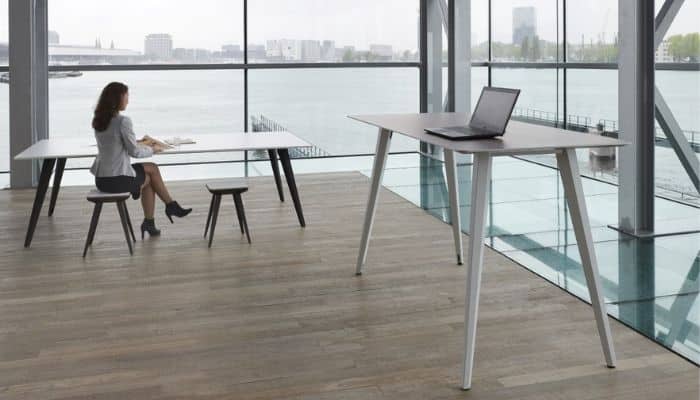
Deze vernieuwde wensen sluiten aan bij het concept van Activity Based Werken. Bij Activity Based Werken worden ruimtes gekoppeld aan de activiteit en niet aan een specifiek individu. Hierbij kun je denken aan ruimtes die specifiek bedoeld zijn voor brainstormen, videocalls, ontspanning en ruimtes om te vergaderen. Zo kunnen medewerkers een werkplek kiezen die bij hun taak past. Het achterliggende doel is niet ruimtebesparing , maar het motiveren van personeel om door de organisatie te bewegen en hun productiviteit te verhogen.
Het is belangrijk dat de ruimtes deze activiteiten stimuleren door het interieur en de inrichting zo functioneel mogelijk te laten aansluiten. Zo behoeft een concentratieruimte voldoende geluidsisolatie en ruisonderdrukking. Je kunt stilteruimtes al creëren door minder gebruikte ruimtes te voorzien van akoestische scheidingswanden of panelen. Zo hoef je geen volledige verbouwing te ondergaan.
Invulling van Activity Based Werken verschilt per bedrijf
De behoeften en wensen kunnen per bedrijf verschillen. Denk aan de bedrijfscultuur, de personen die er werken, en de gebruikelijke dagelijkse werkzaamheden. Om tot een passende kantoorinrichting te komen, zult u zich af moeten vragen: waarom komen mijn medewerkers écht naar kantoor toe? Vaak komt naar voren dat medewerkers naar kantoor komen vanwege de sociale interactie, om zichzelf te laten zien aan de organisatie en beter verbonden te zijn met hun werkomgeving. Maar dit antwoord zou voor uw kantoor uiteraard kunnen afwijken. Door het antwoord op deze vraag te zoeken kunt u de kantoorinrichting toespitsen op uw specifieke werkomgeving.
De kantoorinrichting benaderen vanuit het principe van Activity Based Werken is niet voor iedere onderneming werkbaar. Van medewerkers wordt verwacht dat ze voortdurend zelf kiezen waar zij heen gaan en op welke plek zij aan het werk willen gaan. Het is daarbij ook niet gewenst dat men op de gemiddelde werkdag voortdurend moet verhuizen. Daarnaast is het voor de werkgever ook lastiger te bepalen hoeveel werkplekken in de praktijk echt benut worden. Of de kantoortuin volledig plaats zal maken voor flexibele werkplekken is dan ook de vraag.
De coronacrisis heeft duidelijk aangetoond dat er behoefte is aan verbondenheid en sociale interacties op de werkvloer. Ook blijft de wens bestaan om snel te kunnen schakelen met teamleden. Kortom, teams zullen graag blijven werken in ruimtes waar ze met elkaar kunnen overleggen. Daarmee zullen altijd wel een aantal principes van de traditionele kantoortuin overblijven. Maar de massale kantoortuin heeft zijn langste tijd gehad, en een dergelijke grote open ruimte zal in de toekomst eerder onderdeel uit gaan maken van een overkoepelende opzet met diverse, gerichte werkplekken. Voor ieder wat wils dus!
Een toekomstgericht kantoor met Wout Monseurs
Bent u ook op zoek naar een toekomstgericht kantoor voor de optimale werkbeleving? Wout Monseurs ontwerpt uw droomkantoor. Wij verzorgen de projectinrichting, leveren de kantoormeubelen, printers, AV apparatuur & kantoorartikelen en doen het onderhoud. En daarbovenop hoeft u zich geen zorgen te maken over het projectmanagement. Wout Monseurs neemt dit voor de rekening. Zo bent u verzekerd van een productieve werkomgeving. Neem contact met ons op. Wij helpen u graag!